01708 861 414

A thorough examination is a detailed inspection and testing process that is carried out on certain types of equipment to ensure that they are safe to use. Thorough examinations are required by law in many countries, including the UK, to ensure that businesses are complying with health and safety regulations. The purpose of a thorough examination is to identify any defects or faults in the equipment that could pose a risk to the safety of the user or others.
Why are Thorough Examinations Important?
Thorough examinations are essential for workplace safety, as they help to prevent accidents and injuries from occurring. By identifying defects or faults in equipment before they cause an accident, businesses can avoid costly downtime, repairs, and potential legal action. Thorough examinations also help to ensure that businesses are complying with health and safety regulations, which can help to avoid fines and other penalties.
What Equipment Requires Thorough Examinations?
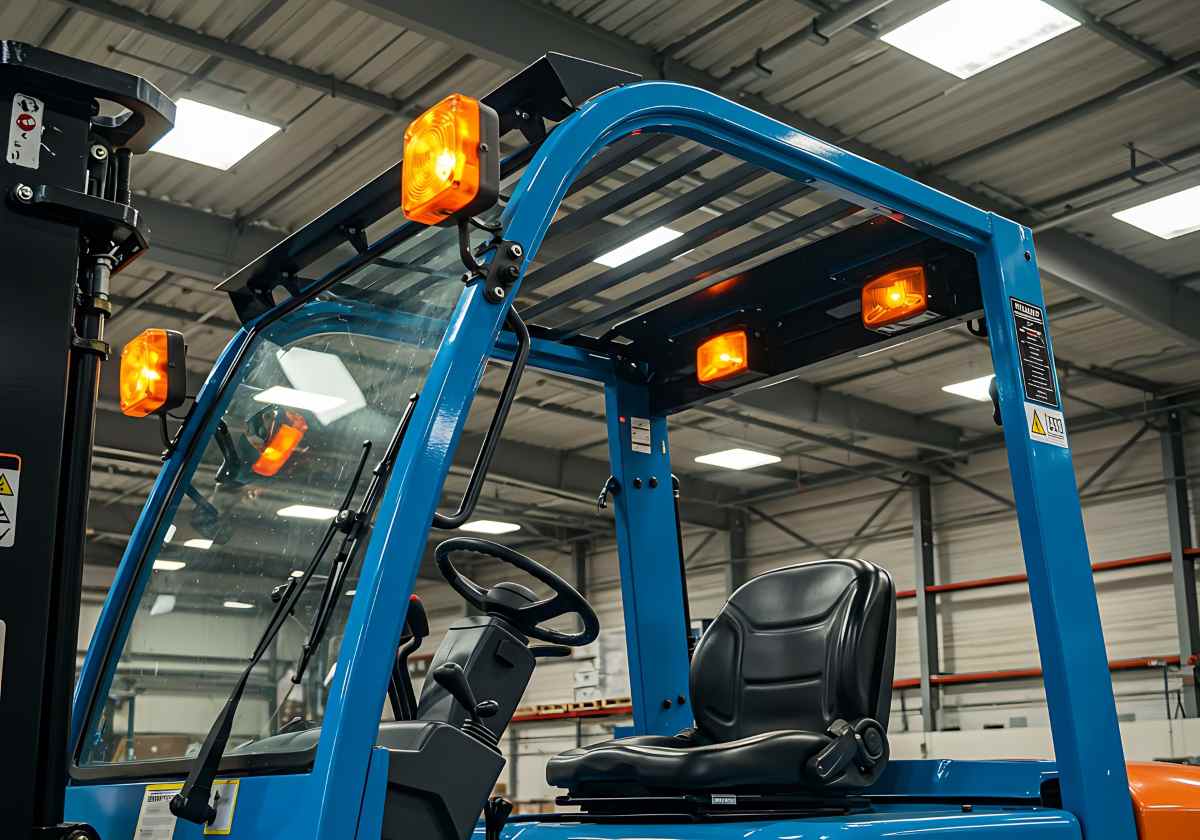
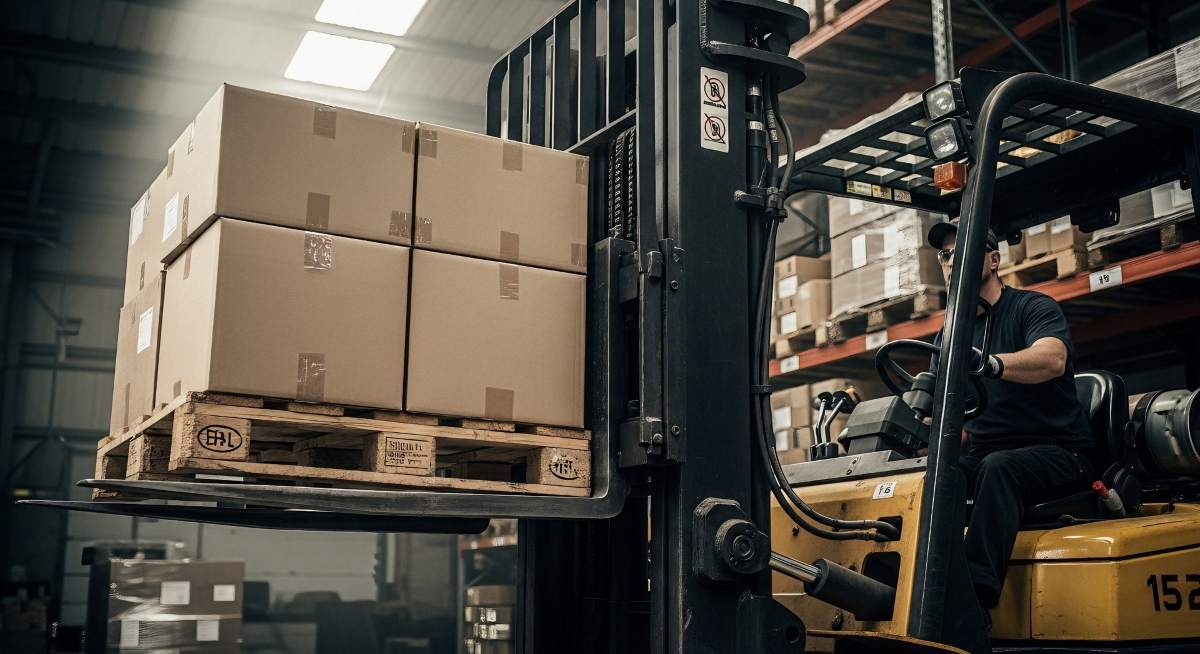
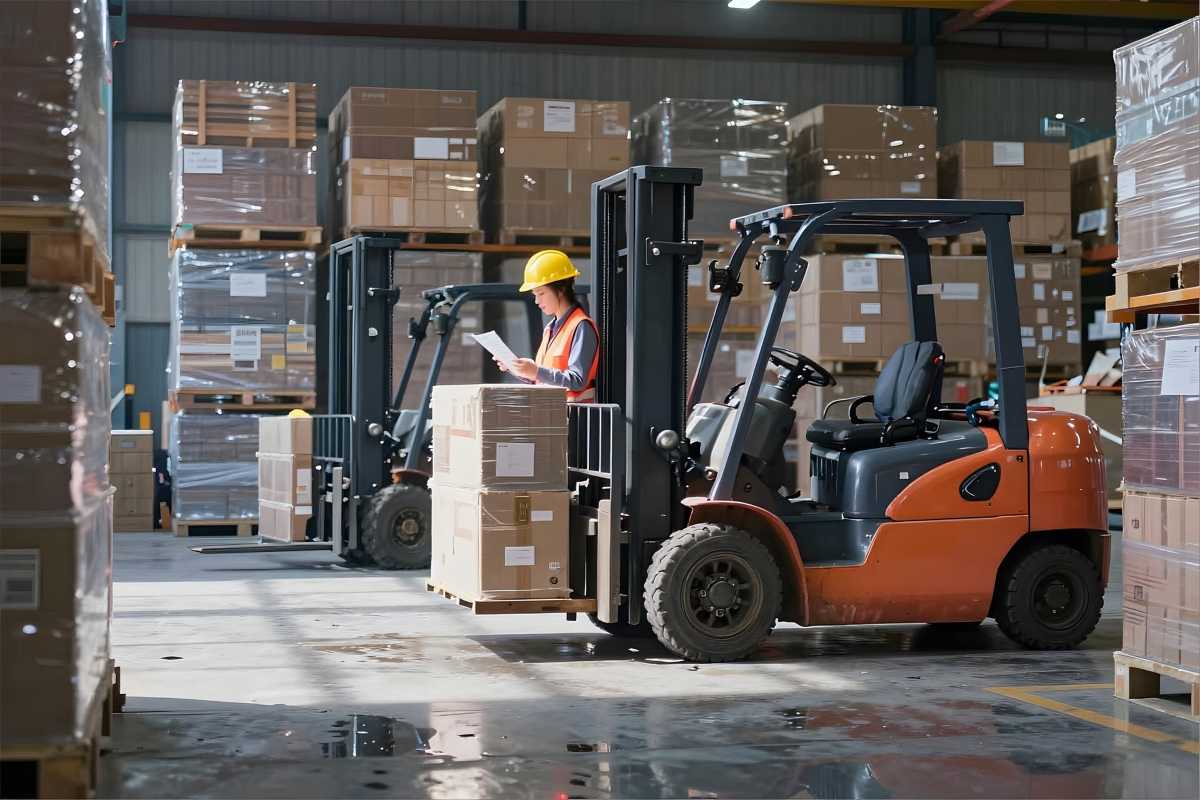
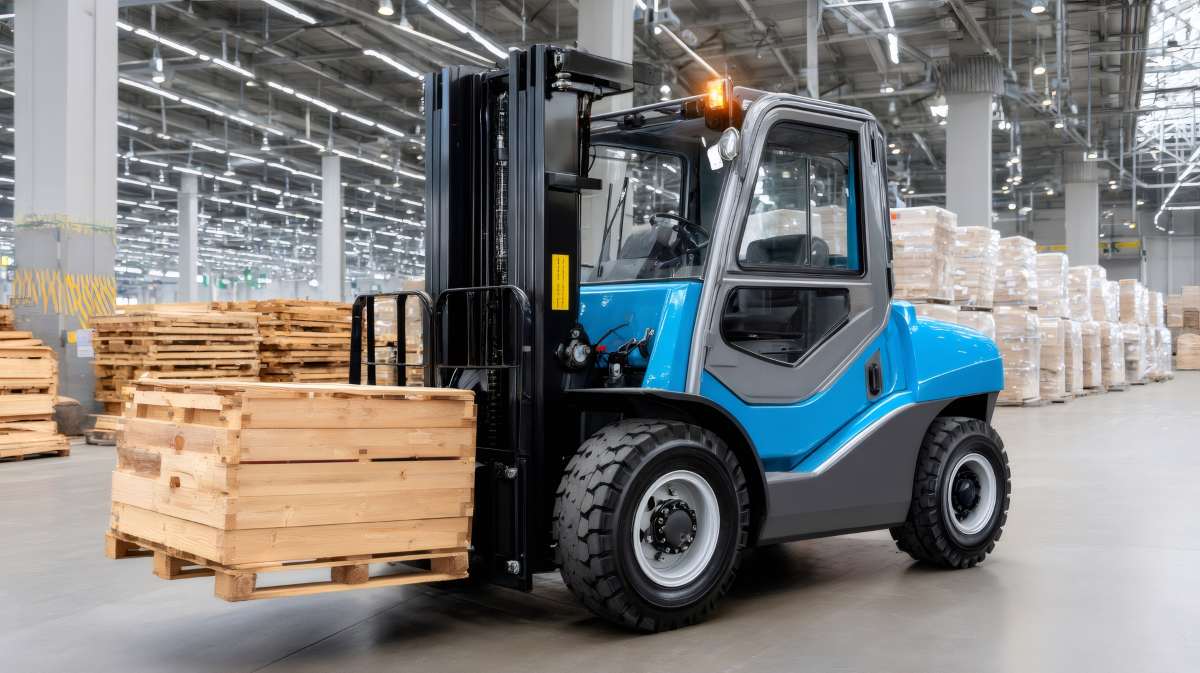
Thorough examinations are required on a range of equipment, including lifting equipment, pressure systems, and some types of machinery. Lifting equipment includes items such as cranes, hoists, and forklifts, while pressure systems include items such as boilers, air receivers, and pressure vessels. Machinery that requires thorough examinations includes items such as power presses, injection moulding machines, and woodworking machinery.
How Often Should Thorough Examinations be Carried Out?
The frequency of thorough examinations depends on the type of equipment and how often it is used. For example, lifting equipment should be thoroughly examined at least once every 12 months, while pressure systems should be examined every 2-4 years, depending on the type of system. It is important for businesses to keep accurate records of when thorough examinations are carried out and when the next examination is due.
In conclusion, thorough examinations are a crucial aspect of workplace safety that every business owner should be aware of. By identifying defects or faults in equipment before they cause an accident, businesses can avoid costly downtime, repairs, and potential legal action. Thorough examinations also help to ensure that businesses are complying with health and safety regulations, which can help to avoid fines and other penalties. If you own or operate equipment that requires a thorough examination, make sure you have it carried out by a competent and qualified professional to keep your workplace safe and compliant with regulations.