As the clock strikes midnight on New Year’s Eve, most business leaders are focused on new revenue targets, expansion plans, and budget allocations. However, for those in warehousing, logistics, manufacturing, and construction, there is a more practical priority that should sit at the top of the January “to-do” list: Forklift Training.
While it might seem like just another administrative box to tick, the timing of your training can be the difference between a year of seamless productivity and one marred by downtime and accidents. From the introduction of sweeping new regulatory changes to the “quiet window” of post-festive operations, January is objectively the most strategic month to invest in your operators.
Here is why January 2026 is the absolute best time to book your forklift training.
The most urgent reason to act this January is the implementation of new industry standards. As of January 19, 2026, the Accrediting Bodies Association for Workplace Transport (ABA) has introduced significant changes to workplace transport training categories.
In the past, many employers operated under the assumption that if an operator was competent on one type of truck, they could safely transition to another with minimal oversight. Under the new 2026 framework, these assumptions are no longer legally or operationally defensible.
Key changes include:
Booking training now allows you to audit your fleet against these new categories and ensure your team isn’t operating outside their legal competence.
For many industries, the final quarter of the year is a whirlwind of “peak season” demand. Warehouses are at maximum capacity, and every available operator is needed on the floor to meet holiday shipping deadlines. In that environment, pulling three operators off the line for a multi-day training course is often impossible.
January is the “breather” month. Once the holiday rush subsides, shipping volumes typically stabilize. This creates a natural window where you can schedule training with minimal disruption to your throughput. By training your staff during this relatively quiet period, you ensure they are refreshed and ready before the next seasonal spike arrives in the spring or summer.
Culture isn’t built in a day; it’s built through consistent reinforcement. After the high-pressure environment of Q4-where speed is often prioritized-bad habits can quietly creep in. Operators might start skipping pre-use checks or taking “shortcuts” through pedestrian zones to save seconds.
Starting the year with a formal training session acts as a cultural reset. It sends a clear message to the entire workforce: “Regardless of how busy we were last month, safety is our primary metric for success this year.”
Benefits of a New Year Refresh:

From a financial perspective, January is often the start of a new fiscal year or the beginning of a new quarterly budget cycle.
Many training providers offer “Early Bird” incentives or bundle packages at the start of the year to fill their calendars. By booking in January, you can secure your preferred dates-which often fill up fast for the rest of the year-and potentially lock in 2025 pricing before annual inflation adjustments take effect.
Furthermore, training is an investment that pays dividends throughout the fiscal year. A trained operator:
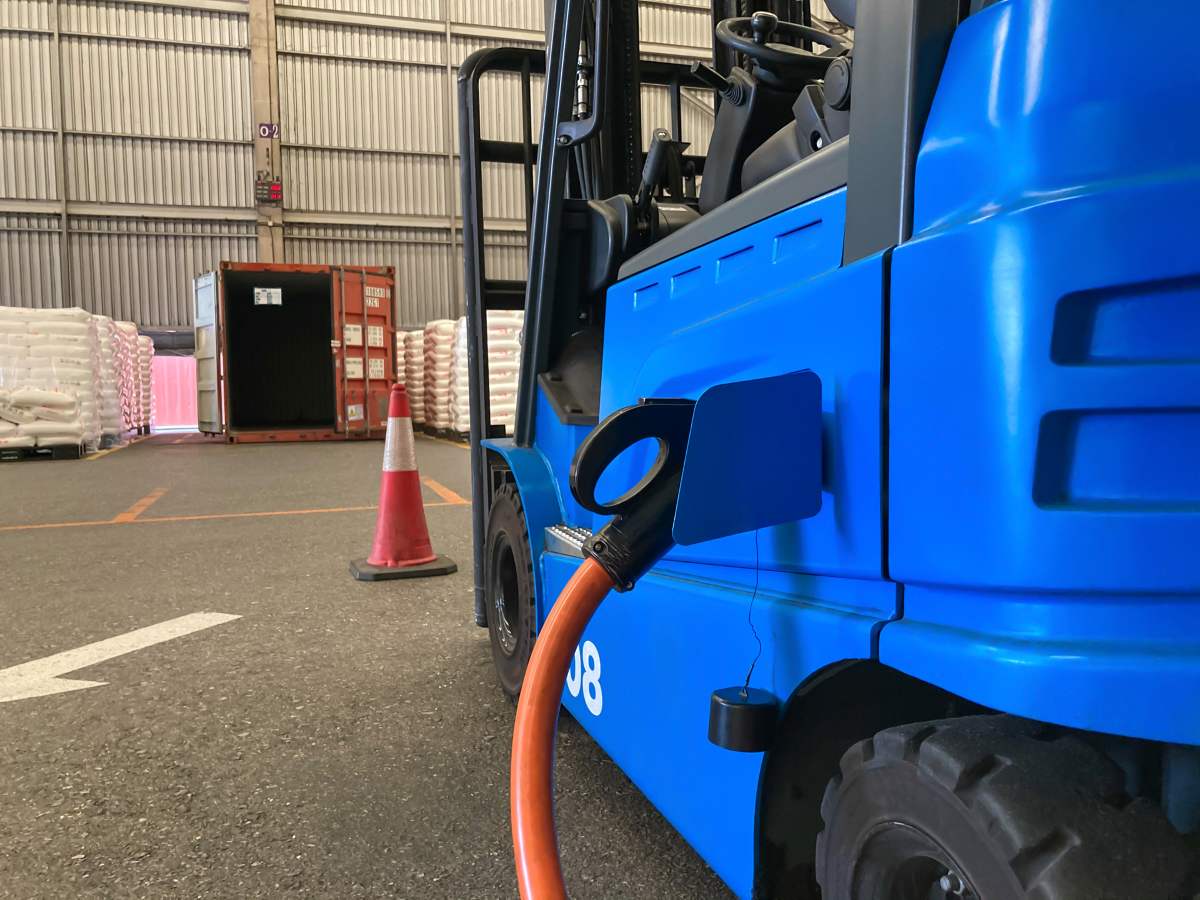
The cold months are notoriously hard on material handling equipment. Low temperatures affect battery life in electric trucks and hydraulic fluid viscosity in IC models.
Part of a comprehensive forklift training course involves the Pre-Use Inspection. Training your operators in January ensures they are hyper-aware of how to spot winter-related faults, such as:
When your operators are trained to spot these issues early, they prevent small mechanical problems from turning into catastrophic (and expensive) failures in the middle of a shift.
The start of the year is a prime time for recruitment. Whether you are replacing staff who moved on at the end of the year or expanding your team for new contracts, you likely have new faces in the warehouse.
Placing new hires through a 5-Day Novice Course in January ensures they are integrated into your specific safety culture from their very first week. It prevents them from learning “on the fly” or picking up bad habits from uncertified peers.
Booking forklift training in January isn’t just about compliance; it’s about strategic readiness. By taking advantage of the post-peak lull, aligning with the new 2026 ABA regulations, and resetting your team’s safety mindset, you set a standard for excellence that will carry your business through the rest of the year.
Don’t wait for an accident or an inspection to realize your team needs a refresh. Make January the month you invest in your most valuable asset: your people.

We prioritize accuracy and integrity in our content. Here's how we maintain high standards:
Our content is carefully reviewed by experienced professionals to ensure accuracy and relevance.
Look for the expert-reviewed label to read content you can trust.




 01708 861 414
