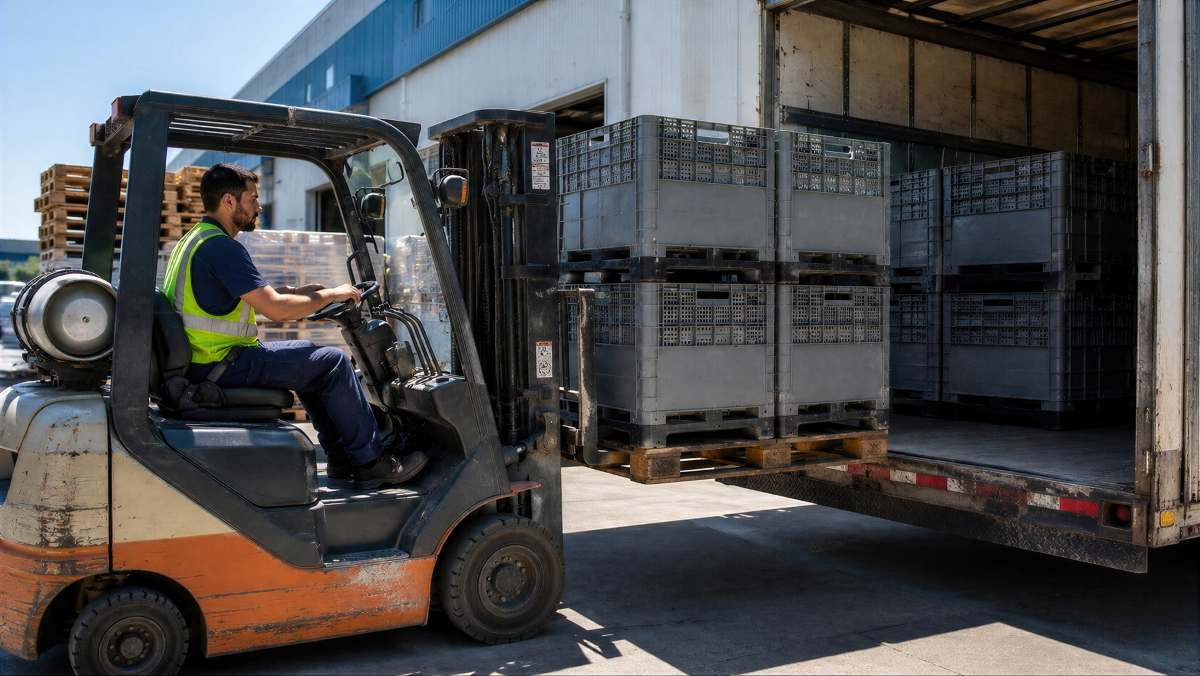
When you need a forklift, the first decision isn’t which model or brand – it’s whether to buy new or used. Both options have their place, and the right choice depends on your specific situation: your budget, how intensively you’ll use the equipment, how long you plan to keep it, and what kind of operational demands you’re placing on it.
There’s no universally correct answer. Some businesses benefit significantly from buying new, whilst others get better value from quality used equipment. Understanding the trade-offs helps you make an informed decision rather than defaulting to whichever option seems cheaper upfront.
The Case for Buying New
Reliability and Warranty Coverage
New forklifts come with advantages that used equipment simply cannot match, starting with reliability. You’re getting a machine with zero operating hours, no wear from previous use, and no hidden issues from how someone else operated or maintained it. Everything is fresh from the factory, assembled to current standards, with the latest safety features and technology.
Warranty coverage is substantial with new forklifts. Most manufacturers provide comprehensive warranties covering major components for several years or thousands of operating hours. If something goes wrong during that period, repairs are covered rather than coming out of your budget unexpectedly. That peace of mind has real value, particularly for businesses where forklift downtime directly affects productivity and revenue.
Efficiency and Customisation
New equipment offers better fuel efficiency and lower emissions than older models, as manufacturers continuously improve engine technology and hydraulic systems. The operational cost savings over the equipment’s lifetime can be significant, though they take years to accumulate.
Customisation is another advantage. When buying new, you can specify exactly what you need – lift height, attachment points, tyre type, power source, cabin features. You’re not limited to whatever configuration happens to be available in the used market.
The Cost Consideration
The main drawback is obvious: cost. New forklifts represent a significant capital investment, and depreciation hits hardest in the first few years of ownership. If cash flow is tight or you’re uncertain about long-term needs, committing to a new forklift might strain your finances in ways that aren’t justified by the benefits.
The Case for Buying Used
Price and Depreciation Advantages
Used forklifts cost substantially less than new ones, often 30-50% less depending on age, condition, and hours. For businesses operating on tight budgets or needing equipment quickly without major capital outlay, this price difference is compelling.
Depreciation has already occurred with used equipment. The previous owner absorbed the steepest depreciation curve, meaning your investment holds its value better than buying new. If you need to sell the forklift in a few years, you’ll likely recoup a higher percentage of what you paid.
Immediate Availability
Used forklifts are immediately available in most cases. New equipment can have lead times of weeks or months depending on specifications and manufacturer capacity. When you need a forklift now because operations are being affected, used equipment gets you running faster.
Potential Risks
The risk, of course, is the condition. Operating hours, maintenance history, and how the previous owner treated the equipment all affect reliability. A poorly maintained used forklift can become expensive quickly through repairs and downtime. Without thorough inspection, you might be buying someone else’s problem.
Parts availability can be an issue with older models. If the forklift is 15-20 years old, finding replacement components might be difficult or expensive. Newer used forklifts – say 3-5 years old – generally don’t have this problem, but older equipment can.
What to Consider for Your Situation
Usage Intensity
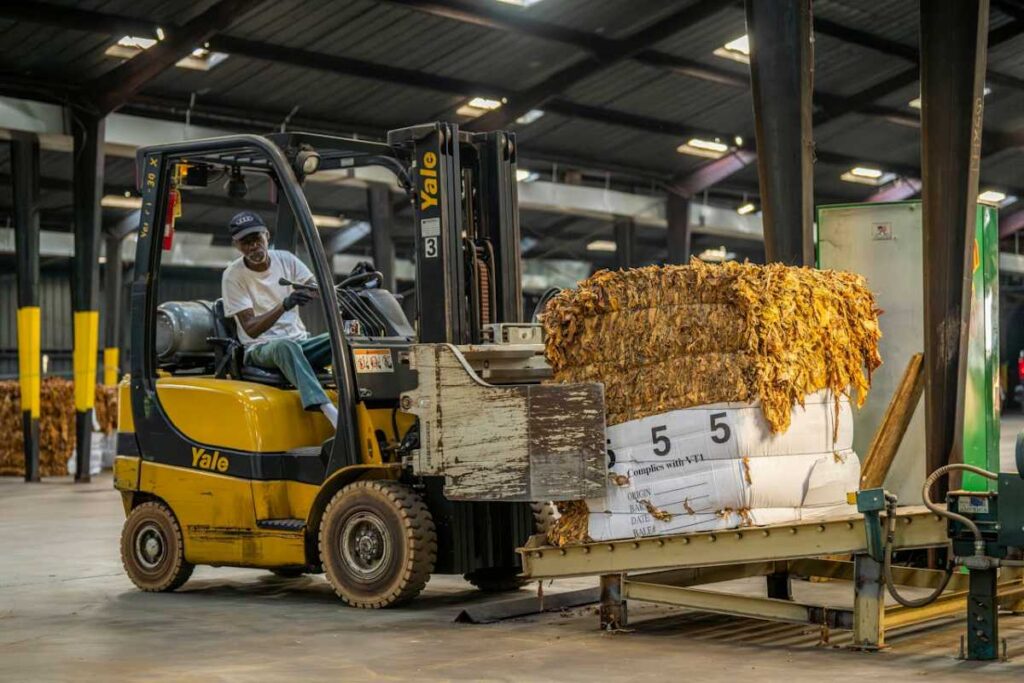
Usage intensity matters significantly. If you’re running a single-shift operation where the forklift operates 4-6 hours daily, used equipment might serve you perfectly well for years. If you’re running multiple shifts with heavy loads and constant operation, new equipment’s reliability and warranty coverage become more valuable.
Maintenance Capabilities
Your maintenance capabilities also factor in. Do you have in-house mechanics who can handle repairs? Can you afford downtime whilst waiting for parts or service? Businesses with strong maintenance capabilities can often extend used equipment’s life effectively. Those without that infrastructure benefit more from new equipment’s warranty and reliability.
Budget and Timeline Considerations
Budget constraints are practical considerations, not just financial ones. Tying up capital in a new forklift means that money isn’t available for other operational needs or growth investments. Used equipment preserves cash flow whilst still meeting operational requirements, assuming you’re buying quality equipment that’s been properly maintained.
How long you plan to keep the forklift influences the calculation. If you need equipment for 2-3 years before upgrading or changing operations, used makes more sense. If you’re planning 10+ years of use, new equipment’s longer reliable lifespan and lower maintenance costs early on might justify the higher initial investment.
Making the Decision
Understanding how to choose the right forklift involves evaluating more than just new versus used – you need to consider capacity, lift height, power source, and operational environment. But the new versus used decision significantly affects budget and long-term costs.
If You’re Buying Used
If you’re leaning towards used, inspect thoroughly or buy from reputable dealers who recondition equipment properly. Check operating hours, maintenance records, and have it inspected by someone who knows what to look for. The savings from used equipment evaporate quickly if you’re buying a machine that needs major repairs shortly after purchase.
If You’re Buying New
If you’re buying new, consider whether you need every available feature or whether a more basic specification meets your needs adequately. Sometimes the mid-tier model provides everything you actually use whilst costing substantially less than the top specification.
Considering Hire as an Alternative
For businesses unsure about committing to purchase at all, hire provides flexibility without capital commitment. You can evaluate different equipment types, understand your actual needs, and make a more informed purchase decision later.
At Acclaim Handling, we offer a range of purchasing options for warehouse forklifts in both new and quality used condition, helping businesses find equipment that matches their operational needs and budget constraints. Whether you’re looking for the latest models with full warranty coverage or well-maintained used equipment that delivers reliable performance at lower cost, we can help you evaluate what makes sense for your specific situation.
The right choice isn’t always the newest or the cheapest – it’s the one that balances your budget, operational demands, and long-term plans effectively.

Related Posts
Predictive vs Preventive Maintenance: What’s the Difference?
The True Cost of Delaying a Forklift Repair
How Forklift Rentals Help Warehouses Stay Flexible
Top Industries that Benefit from Forklift Hire
How Warehousing Demands Are Changing Forklift Requirements