On this page
Most people skim the warranty paperwork on a forklift purchase the same way they skim a phone contract, which is to say barely at all. That’s a mistake. The warranty on a forklift is one of the few documents that genuinely shapes how much that truck will cost you over its working life, and the difference between a thoughtfully read warranty and an ignored one can run into thousands of pounds when something fails.
Here’s what you actually need to understand before you sign.
What Does a Standard Forklift Warranty Cover?
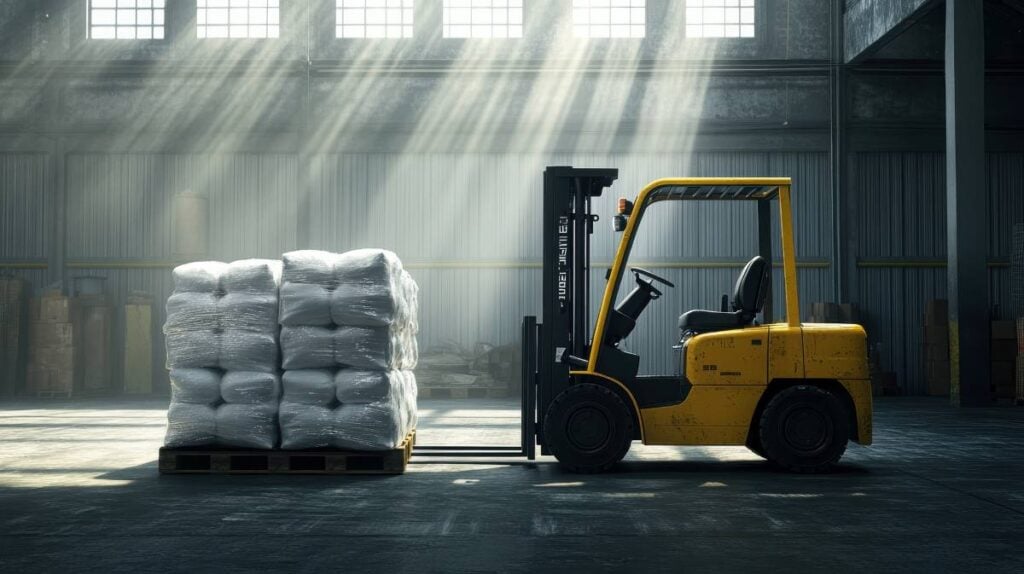
A standard manufacturer warranty on a new forklift typically covers defects in materials and workmanship for a defined period, usually 12 months or a set number of operating hours, whichever comes first. That last bit is where many buyers get caught out. A truck running double shifts at a busy distribution centre will burn through a 2,000-hour warranty cap in well under six months, even if you bought it brand new.
The coverage itself usually includes the major components: the chassis, the mast, the hydraulic system, the drivetrain, and the electrical system. Wear items are almost always excluded. That means tyres, forks, brake pads, lights, seals, hoses, and anything classified as a serviceable component sits outside the warranty from day one.
Battery warranties on electric trucks deserve their own attention because they’re often structured separately. Lead-acid batteries usually carry a five-year warranty with a pro-rated replacement value after the first year or two. Lithium-ion warranties are typically longer in calendar terms but tied to cycle count, so heavy daily use can exhaust the warranty faster than light use.
When you buy a forklift through us at Acclaim Handling, the truck is backed by manufacturer warranty from STILL, Hyundai, or Lonking depending on the brand, and we handle the warranty administration directly so you’re not left chasing the manufacturer if something goes wrong.
How Long Does a Forklift Warranty Actually Last?
The headline figure rarely tells the full story. You’ll see warranties advertised as “two years” or “five years,” but the small print almost always introduces hour caps and component-specific durations. A typical structure might look like this:
The full machine carries a one-year or 2,000-hour standard warranty, whichever expires first. Major powertrain components (the engine on an IC truck, or the drive motor and controller on an electric) might carry an extended warranty of three years or 6,000 hours. The mast and lift cylinders often get their own multi-year coverage because manufacturers know these components should last decades when used properly. Batteries and chargers run on entirely separate terms.
Extended warranties beyond the manufacturer’s standard offer are available, and whether they’re worth buying depends on how you’ll use the truck. If you’re running an intensive operation, an extended warranty can be excellent value. If you’re a low-hours user with strong maintenance habits, you may be paying for protection you’ll never claim against.
What Voids a Forklift Warranty?
This is where buyers get hurt. Forklift warranties contain conditions that must be met to remain valid, and breaching them is easier than you might think.
Using non-approved parts is the most common warranty killer. If you fit aftermarket hydraulic filters, third-party batteries, or non-OEM hoses to save money, you may have just voided coverage on the system those parts touch. Some manufacturers are stricter than others, but the precedent is consistent across the industry.
Skipping scheduled servicing is the second major issue. Manufacturers require documented evidence that the truck has been serviced at the prescribed intervals by a qualified engineer, and “I meant to but got busy” is not a defence when you’re trying to claim against a £4,000 transmission repair. If you can’t produce the service records, you don’t have a warranty.
Operating the truck outside its specifications also voids coverage. Lifting overweight loads, exceeding the duty cycle the truck was specified for, using a standard machine in a freezer environment without the cold store package, or modifying the truck without manufacturer approval all sit in this category. The damage caused by misuse is your problem, not theirs.
Operator damage is rarely covered either. If a driver runs the forklift into a racking upright and bends the mast, that’s a collision repair, not a warranty claim, no matter how new the truck is.
Are Used Forklifts Sold with a Warranty?
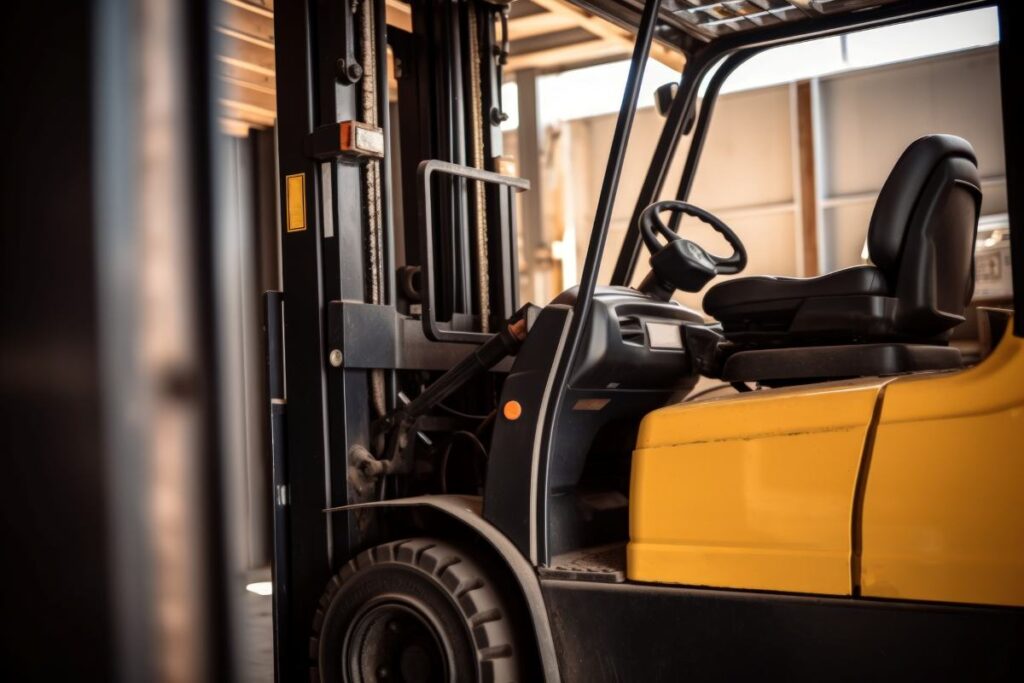
Yes, though the structure differs significantly from new equipment. A reputable used forklift dealer will typically offer a parts and labour warranty for somewhere between three and twelve months on a used truck, with the duration reflecting the age and condition of the machine. Some dealers offer powertrain-only warranties on older machines, which is fair given the relative cost of major component replacement.
Auction trucks and direct-from-seller used forklifts usually come with no warranty at all. You’re buying as-seen, and any failures from the moment you take delivery are yours to resolve. The price reflects this, but so does the risk.
If you’re buying used, ask specifically what’s covered, for how long, and what the claim process looks like. A warranty that requires you to ship the truck back to the dealer at your own expense isn’t worth much when you’re 200 miles away.
How Servicing and Warranty Work Together
The link between regular forklift servicing and warranty compliance is the single most overlooked aspect of forklift ownership. Service records aren’t just paperwork; they’re the evidence that keeps your warranty alive. We see operators who’ve genuinely maintained their trucks lose claims because the service records weren’t documented properly, or were carried out by an engineer the manufacturer didn’t recognise.
This is where buying from a manufacturer-approved dealer makes a measurable difference. Our engineers at Acclaim Handling have an average tenure of ten years, all of them are trained to manufacturer standards on the trucks we supply, and we maintain proper service records that hold up to any warranty claim scrutiny. We also have a 92% first-time fix rate on call-outs, which matters when a warranty claim depends on the right diagnosis being made the first time round.
What to Ask Before You Buy
Before you sign on a new or used truck, get clear answers on a few things. What’s the duration in both calendar months and operating hours? Which components are excluded entirely? What documentation do you need to maintain to keep the warranty valid? What’s the claim process, and how quickly does the dealer respond to warranty requests? Is there an extended warranty available, what does it add, and what does it cost?
If the seller can’t answer these clearly, that tells you something about how warranty claims will be handled later.
Buying with Confidence
We supply forklifts designed for safety and efficiency across new and used inventory, with warranty terms explained in plain English before you commit, and with manufacturer backing from STILL, Hyundai, and Lonking. With over 40 years in the materials handling industry, eight UK service centres, and ISO 9001 and ISO 45001 accreditation, the support you need to keep your warranty valid is built into how we operate.
If you’re weighing up a forklift purchase and the warranty paperwork is making your eyes glaze over, talk to us. Better to ask the awkward questions now than discover the answers when something fails.