On this page
- STILL RX 20 Electric Counterbalance
- STILL FM-X Reach Truck
- Hyundai 25BT-9U Electric Counterbalance
- STILL EXV Pallet Stacker
- STILL MX-X VNA Truck
- Articulated Forklift for Mixed Cold-Store Work
- What to Look For Beyond the Model
- Why Electric Almost Always Wins in Cold Storage
- Getting the Right Truck for Your Operation
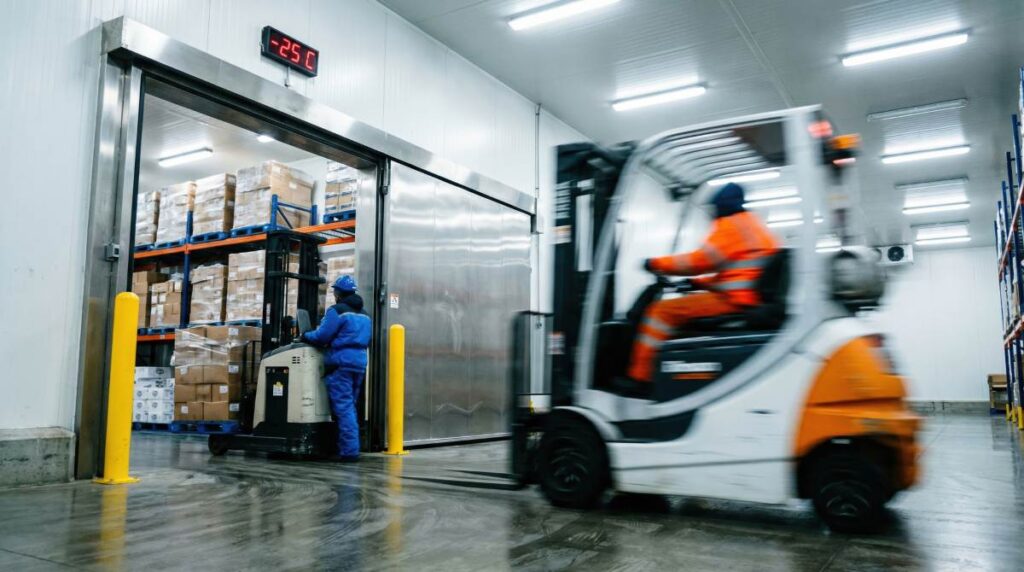
Cold storage punishes equipment that wasn’t built for it. Standard forklifts walked into a -25°C freezer warehouse start protesting within weeks: hydraulic fluid thickens, condensation seeps into electrical components, batteries lose runtime, and operators fight controls that have stiffened in the cold. If you run a cold chain operation, the forklift you choose isn’t just a piece of kit; it’s the difference between hitting throughput targets and watching downtime devour your margins.
Below are six configurations worth your attention.
STILL RX 20 Electric Counterbalance
The RX 20 has earned a serious reputation in cold storage operations across Europe, and for good reason. STILL engineer the truck with a sealed AC drive system, IP-rated electronics designed to handle condensation, and a hydraulic configuration that performs reliably across a wide temperature range. The cold store variant adds factory-fitted measures including low-temperature lubricants, heated controls, and protective coatings on exposed components.
Lift capacities run from 1.4 to 2 tonnes, which suits the majority of pallet work in frozen goods warehouses. The cabin can be specified with a heated operator compartment, and that’s not a luxury but a productivity decision. Operators who aren’t fighting the cold work faster and safer.
STILL FM-X Reach Truck
Cold storage warehouses are usually designed with high-bay racking and narrow aisles to maximise expensive refrigerated cubic capacity. That’s where a reach truck becomes essential, and the STILL FM-X is genuinely built for the conditions.
The cold store package on the FM-X covers thermal management for the mast hydraulics (essential at height in freezing conditions), heated operator stations, and a battery system optimised for the energy demands of frequent high-level work. The OPTISPEED feature adjusts travel and lift speeds intelligently, which matters when condensation and frost reduce visibility. If you’re storing palletised frozen goods seven or eight metres up, this is the truck to consider.
Hyundai 25BT-9U Electric Counterbalance
Hyundai’s electric counterbalance range has improved dramatically over recent years, and the 25BT-9U is a strong contender for cold storage operations where total cost of ownership matters as much as outright performance. The truck offers genuine cold-store credentials when specified with the appropriate package, with sealed components, low-temperature hydraulic fluid, and electronics rated for the conditions.
Capacities sit at 2.5 tonnes, which gives useful headroom over the 2-tonne machines for operations handling heavier palletised loads. The build quality is solid, the running costs are competitive, and we’ve been a Hyundai dealer since 2013 so the parts and service backup is genuinely available across our eight UK service centres.
STILL EXV Pallet Stacker
Not every cold storage operation needs a counterbalance or reach truck. For staging areas, dispatch zones, and lower-bay work, a properly specified pallet stacker handles the job at a fraction of the cost. The STILL EXV with cold store specification works in temperatures down to -30°C and handles the constant transitions between ambient loading bays and freezer interiors that destroy machines not built for it.
Lift heights up to around 6 metres cover most stacking applications, and the compact footprint suits operations where space is at a premium. For lower-volume cold storage, or as a complement to a primary reach truck fleet, the EXV earns its place.
STILL MX-X VNA Truck
If your aisles drop below 2 metres (and many cold storage warehouses are designed this way to maximise refrigerated cubic metres), you’ve moved beyond reach truck territory and into very narrow aisle work. The STILL MX-X turret truck operates in aisles as tight as 1.6 metres, which transforms the storage density possible in a given footprint.
The cold-store specification handles the thermal challenges that affect mast precision at height, which matters significantly on a man-up truck where the operator rises with the load. VNA work in cold storage is genuinely demanding, and the MX-X is built specifically for it. The infrastructure investment is substantial (guidance systems, specialised flooring, dedicated training), but the storage density gains in cold storage often justify it within a couple of years.
Articulated Forklift for Mixed Cold-Store Work
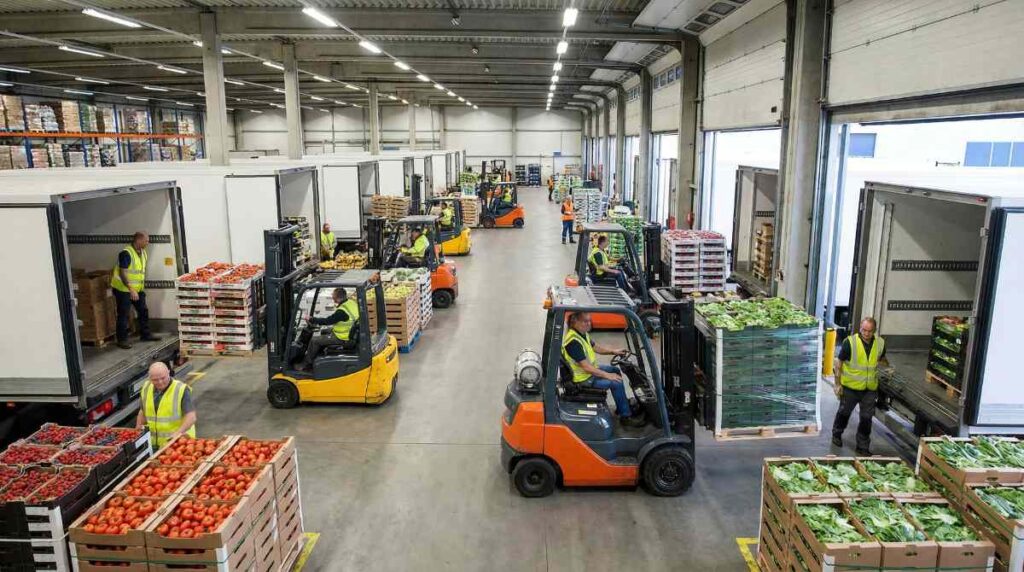
For operations that want better storage densities than a reach truck offers but aren’t ready to commit to a full VNA setup, an articulated forklift bridges the gap usefully. These trucks operate in aisles around 1.8 to 2.2 metres without requiring guidance systems, and the same machine can usually handle yard work or container loading when needed.
The cold store variant of an articulated truck demands the same specification thinking as any other cold-environment forklift: sealed electronics, low-temperature hydraulics, heated operator station, and a battery system sized for the additional drain that cold environments impose.
What to Look For Beyond the Model
Picking the right truck is only half the decision. The configuration matters enormously, and a poorly specced cold store truck from a top manufacturer will underperform a properly specced mid-tier one every time. When you’re evaluating options, you want to confirm:
The hydraulic system uses low-temperature fluid rated for your operating range, not just “winter spec.” Electrical components are sealed to at least IP54, ideally higher, with conformal coatings on circuit boards. Batteries are sized for the additional drain that cold environments impose, and lithium-ion is increasingly the right answer over lead-acid for freezer work. Seals, hoses, and cable jackets use materials that stay flexible at your minimum operating temperature, because rigid rubber cracks fast.
Operator comfort is non-negotiable too. A cold, miserable operator makes more mistakes and works slower, which costs you far more than a heated cabin ever will. We supply, convert and service cold store forklifts, including heated cabs and anti-condensation glass for trucks you already run.
Why Electric Almost Always Wins in Cold Storage
Internal combustion has no place in a sealed cold storage environment because of emissions, ventilation costs, and the sheer waste heat a diesel or LPG truck generates inside a refrigerated space. The economics of cooling don’t reward you for warming the air with engine heat.
Modern electric forklifts for cold storage environments handle the conditions better than they ever have, particularly with lithium-ion power and proper thermal management. The total cost of ownership case for electric in cold chain logistics is now overwhelming.
Getting the Right Truck for Your Operation
We’ve been the exclusive UK distributor for STILL since 2021 (with a relationship dating back to 1982), an official Hyundai dealer since 2013, and a supplier of Lonking forklifts. Cold storage requirements vary more than people assume, and a chilled warehouse at +2°C is a fundamentally different operating environment from a -28°C freezer.
If you’re upgrading your cold storage fleet or specifying a new operation from scratch, our certified forklifts for commercial operations include cold-store variants, and we’ll help you specify properly for your conditions rather than simply sell you something that looks right on paper. Get the spec right, and the truck pays for itself in uptime alone.