01708 861 414

When it comes to handling and transporting liquid loads, safety is of the utmost importance. Forklifts are commonly used to move liquid loads in a variety of industries, but it’s important to take certain precautions to ensure the safety of the operator and anyone nearby.
Considerations when Transporting Liquid Loads
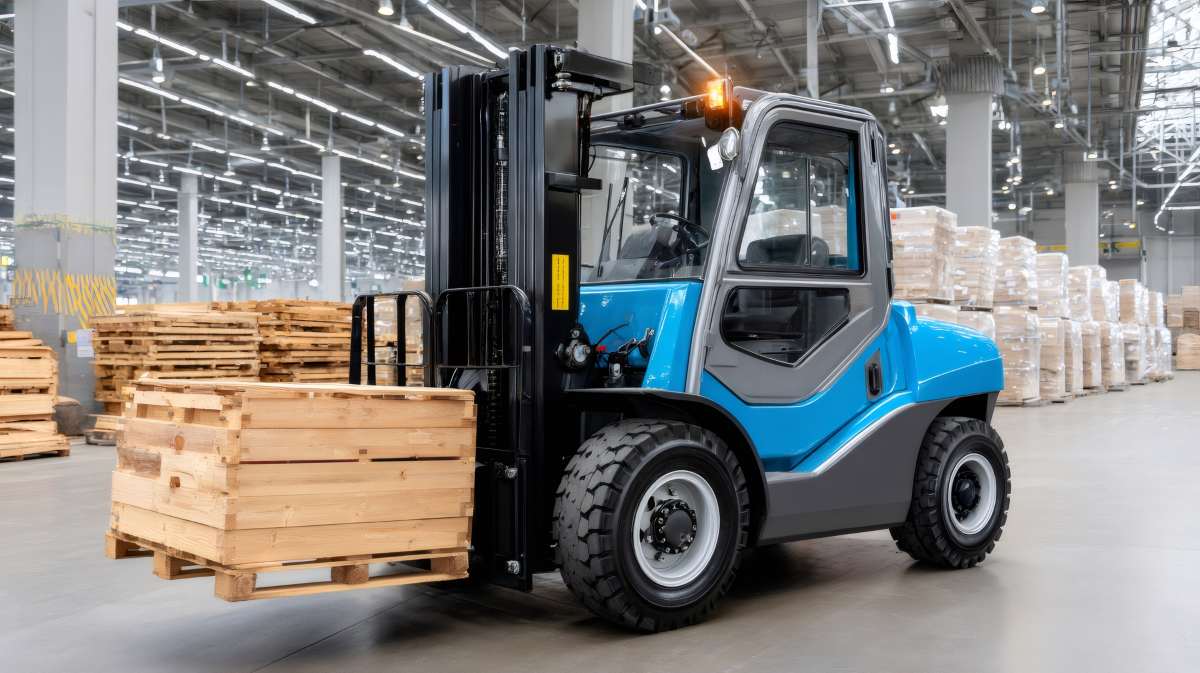
One of the main considerations when moving liquid loads with a forklift is the weight and stability of the load. Liquids can be heavy and unstable, especially if they are being transported in containers or tanks that are not designed specifically for forklift use. It’s important to ensure that the forklift is capable of safely lifting and transporting the load, and that the load is properly secured to the forks to prevent it from tipping or spilling.
Another important consideration is the type of liquid being transported. Some liquids, such as gasoline or chemicals, can be hazardous and require special handling and precautions. It’s important to be aware of the properties and hazards of the liquid being transported, and to follow all appropriate safety protocols when handling and transporting it.
It’s also important to be aware of the environment in which the liquid is being transported. For example, if the liquid is being transported in cold temperatures, it’s important to ensure that the container or tank is properly insulated to prevent the liquid from freezing. Similarly, if the liquid is being transported in hot temperatures, it’s important to ensure that the container or tank is properly ventilated to prevent the build-up of pressure.
Finally, it’s important to ensure that the forklift operator is properly trained and certified to handle and transport liquid loads. This includes understanding the proper techniques for handling and securing the load, as well as the safety protocols that must be followed when working with hazardous liquids.
Conclusion
In conclusion, moving liquid loads with a forklift requires careful consideration and attention to safety. By following the proper protocols and taking the necessary precautions, it is possible to safely and efficiently transport liquid loads using a forklift. In addition to being aware of lifting liquids, there are other considerations that we’ve written about in our other blogs, check them out!
Did you know that Acclaim Handling is 1st Independent forklift company in the UK to be accredited to Health & Safety OHSAS18001? Read more here.
You can also see more about working at height, and a general guide by clicking here.