Forklifts are extremely powerful machines and so, without proper training and safety measures, they can be hazardous and cause danger to you and those around you. The aim of this blog is to cover key forklift safety tips to make sure you are putting the correct safety measures to practise in any and all work environments.
It may seem obvious, but ensuring you are a fully certified and licensed forklift driver is arguably the most important safety tip anyone is able to give you. Without proper training, you are massively putting yourself and every around you at risk of being hurt.
You should always create a list (even if it’s a mental list) of daily forklift inspections that you should be carrying out before strapping yourself into the cab. These will just ensure the forklift is safe to operate and that the area is safe to move around in.
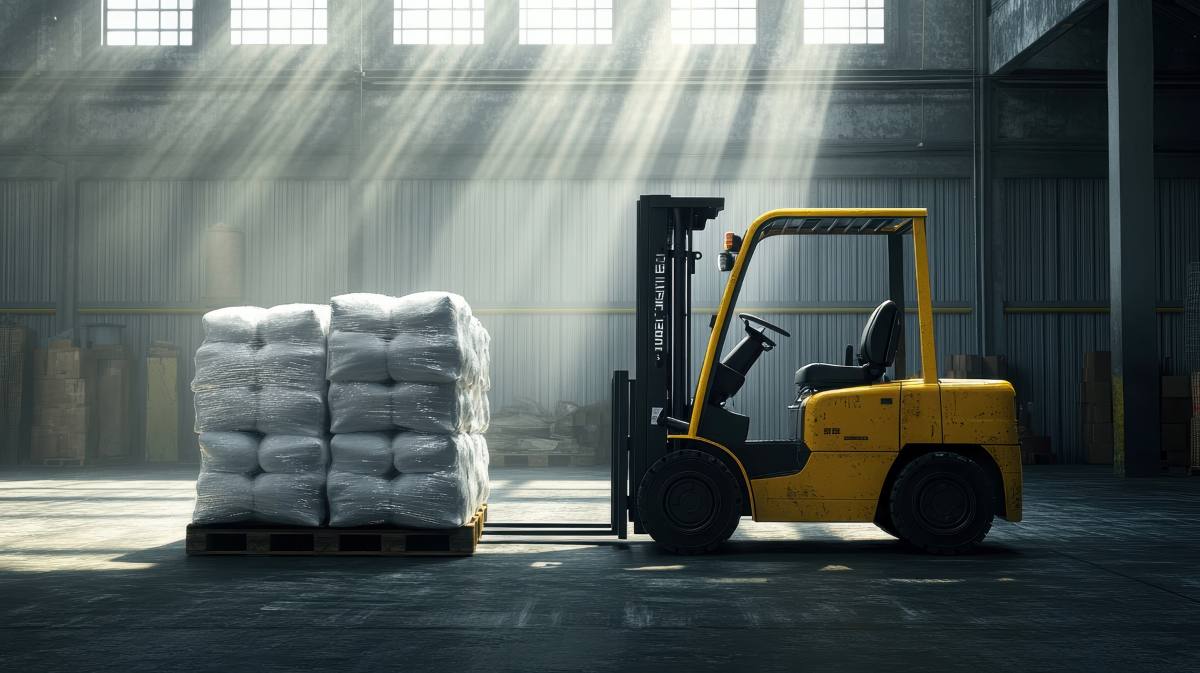
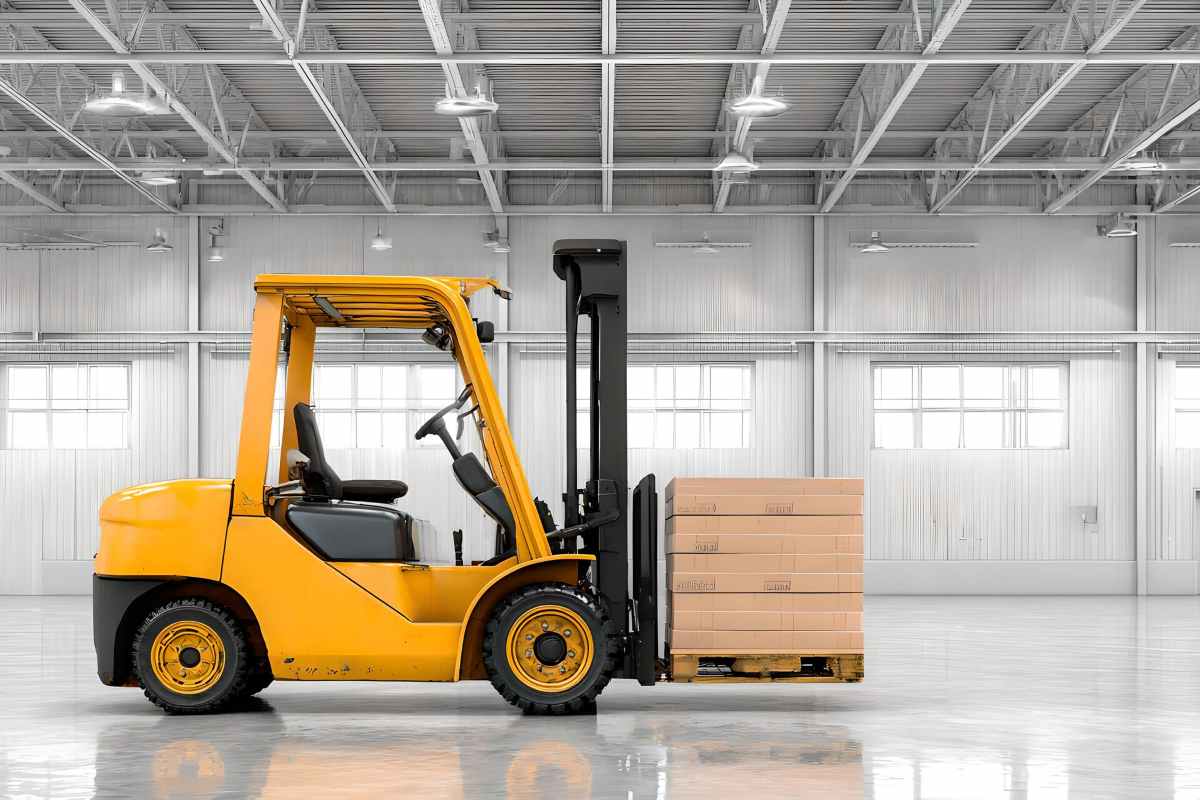
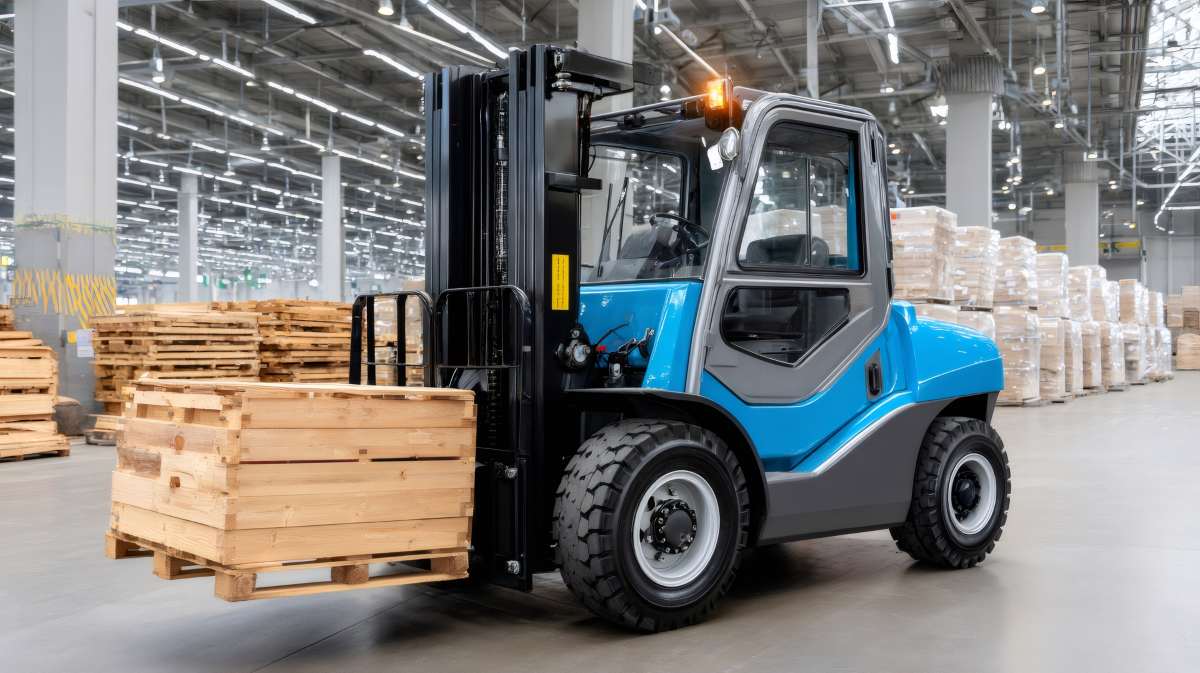
Always ensure that you have a stable load. Check that the load is secured on the forks and that they are balanced and stable, always keep the load close to the mast and tilt it back slightly to improve stability and avoid low loads.
Be sure to follow speed limits and slow down when turning. Workplace speed limits are in place for your safety.
Do not drive if visibility is limited. If your view is clear and not obscured, you are good to go. If you are ever unsure there is always the choice to use a banksman to ensure your safety.
Common hazards include uneven surfaces, which can cause forklifts to tip over or lose control, particularly when carrying heavy loads. Operators should be vigilant about watching for bumps, holes, or debris on the floor that could affect stability.
At the end of each shift, following proper post-operation protocols is vital for ensuring the safety and longevity of forklifts. Operators should begin by safely parking the forklift in a designated area, ensuring it is on a flat surface to prevent rolling. The forks should be lowered to the ground, and the forklift should be shifted into neutral before setting the parking brake. Additionally, operators should turn off the engine and remove the key to prevent unauthorized use.
Safety should always be at the top of your priority list, no matter what your workplace rules are. If you stick with these key forklift safety tips and follow your workplace rules, you will be helping not only to prevent accidents, but also to create a safer environment for all employees and pedestrians.

We prioritize accuracy and integrity in our content. Here's how we maintain high standards:
Our content is carefully reviewed by experienced professionals to ensure accuracy and relevance.
Look for the expert-reviewed label to read content you can trust.

 01708 861 414
