Warehouses are curious places when you think about them. They’re part giant puzzle, part controlled chaos, with shelves reaching up like skyscrapers of cardboard and steel. Everything depends on balance-literally. The way items are stored and stacked determines whether a warehouse runs smoothly or ends up resembling a toppled game of Jenga.
So, how do you keep things upright, safe, and efficient? Let’s unpack (carefully) the essential principles of safe storage and stacking for warehouses.
Every warehouse manager knows this: the most valuable thing inside the building isn’t the stock-it’s the people. Safe storage practices exist primarily to protect workers. Boxes and pallets can be replaced; a serious accident can’t.
Proper stacking and storage also make everything faster. Imagine walking into a warehouse where goods are logically arranged, aisles are clear, and labels make sense. You save time, avoid confusion, and minimise costly mistakes. On the flip side, poorly stacked or overfilled racks can slow down operations, damage goods, or even cause structural failure.
We’ve seen it too often-forklifts clipping unstable stacks, pallets leaning at questionable angles, operators forced to manoeuvre around awkward placements. These are warning signs that storage systems need reviewing.
Before you even touch a pallet, it’s worth mapping out your space properly. A warehouse layout should flow in a way that makes sense for your operation. Think of it as city planning-clear “roads” for movement, “zones” for storage types, and enough breathing room to keep things accessible.
A good rule of thumb: every item should have a designated home. Random storage invites confusion. It’s tempting to shove things wherever there’s space, especially during busy seasons, but disorganisation compounds quickly.
Your plan should also consider:
This kind of planning might sound tedious, but it’s the foundation of safe stacking. You can’t build stability on chaos.
Stacking is more than piling one thing on top of another. There’s a method to it. Each type of material-boxes, drums, pallets, or sacks-has its own rules.
For boxes and cartons: always place the heaviest items at the bottom. Lighter goods should rest on top to prevent crushing. Align boxes neatly so weight is distributed evenly.
For pallets: check that they’re not cracked or warped before stacking. A damaged pallet might look fine, but one weak slat can collapse under load. When stacking pallets, interlock them (where appropriate) and avoid pyramiding unless the load demands it.
And here’s the golden rule: never stack beyond recommended height limits. It’s not worth the risk. Even if it looks stable, you’re inviting gravity to test your patience.
If you’re unsure about appropriate stacking limits, you can always refer to guidance on safe stacking heights for forklifts. It’s a topic that deserves more attention than it usually gets.
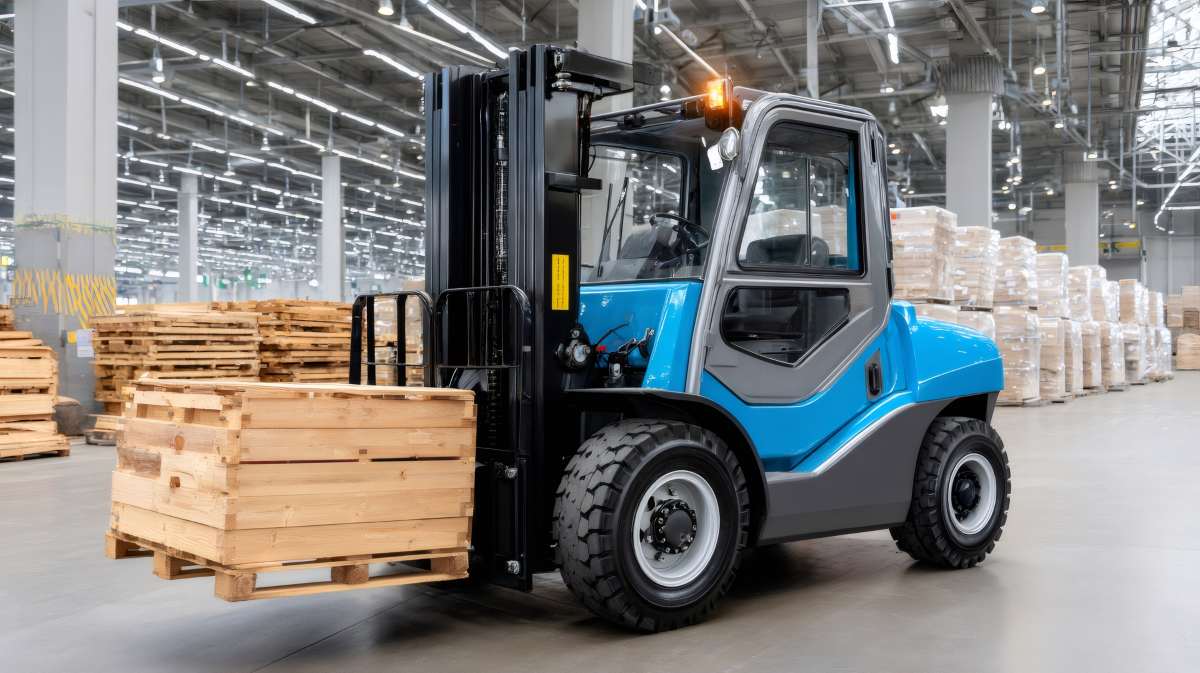
No matter how well-trained your team is, they’re only as safe as the tools they use. That includes forklifts, reach trucks, and pallet jacks. Faulty or outdated equipment doesn’t just slow down productivity-it creates hazards.
Routine inspections should be part of your storage safety plan. Check brakes, hydraulics, forks, and warning systems regularly. Operators should be trained to spot early signs of malfunction too. A small hydraulic leak or uneven fork tilt might seem trivial until it causes a load to tip over.
And if your machinery is past its prime, upgrading is worth the investment. At Acclaim Handling, we offer quality lifting equipment options that meet modern safety standards and efficiency needs. Using dependable equipment not only keeps your staff safe but also ensures smoother day-to-day operations.
Shelving is the backbone of warehouse storage. If it’s weak or incorrectly installed, everything else crumbles-figuratively and sometimes literally.
Choose racking designed for your inventory. Heavy-duty pallet racking works best for bulk goods, while smaller adjustable shelving may suit parts or tools. Always anchor racks securely to the floor, and perform regular load inspections to ensure beams aren’t bending or corroding.
Avoid the temptation to exceed capacity limits. Those labels on racking systems aren’t decorative-they’re there for a reason. Overloading even slightly can lead to long-term warping or sudden failure. Ensure all racking load notices are clearly visible and up to date, as required by SEMA and HSE guidelines.
Also, don’t overlook environmental factors. Temperature changes and moisture can affect wooden pallets or metal racks. Ventilation and climate control aren’t just for comfort; they’re part of maintaining safety.
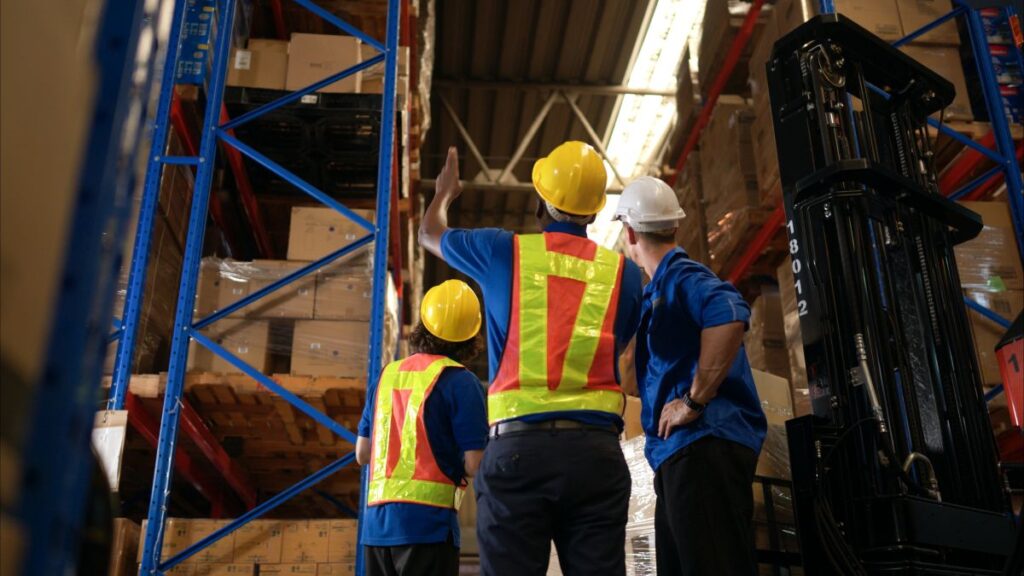
You could have the safest warehouse design in the world, but if your team isn’t trained, it won’t matter. Everyone should know proper stacking methods, how to identify hazards, and what to do in case of instability.
Encourage open communication. Workers are often the first to notice unsafe conditions – wobbly stacks, narrow aisles, uneven flooring – but might hesitate to speak up if they think it’ll slow things down. Make reporting issues part of the routine rather than an inconvenience.
Safety culture isn’t built through posters or policies alone; it’s shaped by everyday habits. And when staff feel ownership over those habits, incidents drop dramatically.
Safe storage isn’t a one-time checklist. Conditions change-new products arrive, layouts shift, and old racking ages. That’s why scheduled inspections are crucial.
Audit your warehouse regularly. Check pallet stability, rack integrity, and load limits. Review forklift paths and make sure exits, fire points, and first aid kits remain unobstructed.
It’s also wise to review your procedures after any near-miss or small accident. Ask what went wrong, why it happened, and how it can be prevented next time. Even minor incidents can reveal bigger issues in workflow or training.
Efficiency and safety sometimes seem at odds, but in truth, they complement each other. When goods are stored properly, you save time. When stacks are stable, you prevent product loss. When aisles are clear, you improve movement.
It’s all part of the same ecosystem-tidy, logical, and mindful. You don’t have to choose between productivity and protection; you just have to plan for both.
Warehouses thrive on rhythm: the hum of forklifts, the shuffle of pallets, the steady movement of goods in and out. That rhythm depends on safety being the beat that holds everything together.
By planning layouts carefully, respecting weight limits, maintaining equipment, and investing in proper training, you can create a space that runs not just efficiently but confidently.
And if you ever find yourself wondering whether it’s worth reviewing your storage system again-the answer’s yes. Because the best warehouses aren’t just full; they’re balanced, structured, and built to last.

We prioritize accuracy and integrity in our content. Here's how we maintain high standards:
Our content is carefully reviewed by experienced professionals to ensure accuracy and relevance.
Look for the expert-reviewed label to read content you can trust.


 01708 861 414
