Cross-docking. It sounds like something that happens between two ships at sea, but in reality, it’s one of the most efficient warehouse strategies available. When done right, it can completely reshape how goods move through your facility-cutting costs, minimising storage, and speeding up delivery times. When done poorly, however, it can turn into a logistical headache of missed shipments, idle forklifts, and confused staff wandering around with clipboards.
So, how do you make sure your cross-docking process lands firmly in the “efficient masterpiece” category rather than “organised chaos”? Let’s unpack it (yes, pun intended).
Before jumping into the “how,” let’s make sure we’re clear on the “what.” Cross-docking is essentially the transfer of goods directly from inbound trucks to outbound vehicles, with little or no storage time in between. Think of your warehouse less like a hotel for products and more like a train station-goods arrive, wait a short while, and quickly move on to their next destination.
This method is especially useful for companies handling high volumes of fast-moving products, perishable goods, or retail replenishments where timing is everything.
But the magic of cross-docking isn’t just about speed-it’s about precision. Every pallet, every carton, every barcode needs to be in sync. A well-oiled system ensures that products flow seamlessly, reducing handling, storage, and inventory costs.
Not every warehouse is built for cross-docking. That’s worth saying upfront. Implementing this system without first checking compatibility can backfire spectacularly.
Ask yourself:
If you’re nodding yes, then you might be ready. But if you’re hesitating, don’t worry-it doesn’t mean cross-docking is off the table forever. It may just mean a few process adjustments or infrastructure upgrades are in order.
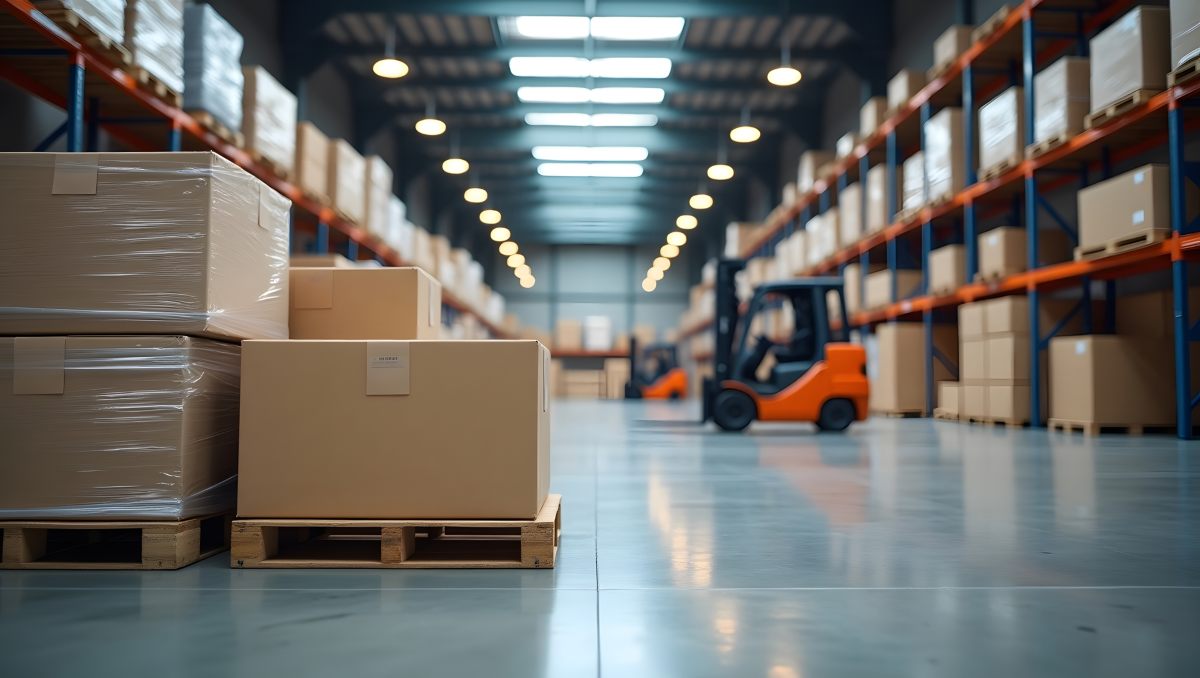
Cross-docking thrives on movement, not storage. That means your warehouse layout needs to reflect that philosophy.
Ideally, inbound and outbound docks should be positioned close together, with a central sorting area in between. Forklifts and pallet trucks should be able to move freely-no bottlenecks, no blind corners, and certainly no narrow aisles cluttered with “temporary” stock that’s been there since last quarter.
Also, don’t underestimate the power of visibility. Clear signage, lighting, and well-marked lanes keep things flowing and reduce the risk of accidents. And, of course, the smoother the movement, the lower the wear and tear on your equipment. (If you’re wondering how to keep things running smoothly on that front, it’s worth reading our guide on keeping your lifting equipment reliable.)
Technology is the unsung hero of modern warehousing. Without it, cross-docking quickly turns into an expensive guessing game.
A robust Warehouse Management System (WMS) is key. It coordinates incoming shipments, matches them with outgoing orders, and allocates resources in real-time. The goal? Minimal human error and maximum visibility.
Barcode scanners, RFID tags, and automated sorting systems can further streamline the process. They make it easier to track items as they pass through the facility, ensuring everything is exactly where it should be-even when things get hectic.
And yes, there’s always the temptation to hold off on tech investments. But remember, cross-docking is built on timing and precision-two things that technology happens to excel at.
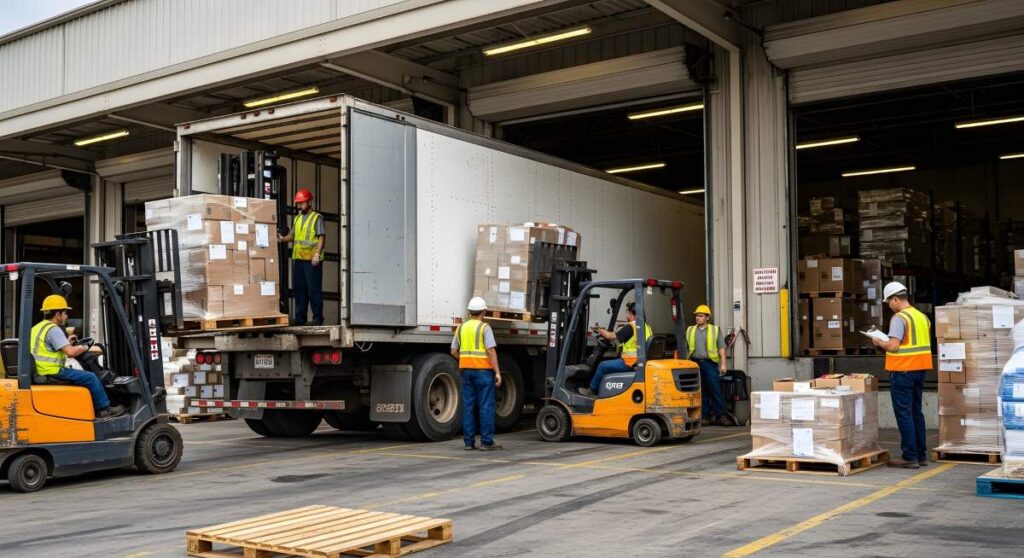
People often talk about systems and software when discussing efficiency, but let’s be honest: none of that matters if your team doesn’t understand what’s happening.
Training should go beyond simple procedural knowledge. Staff should understand the why behind cross-docking-how it reduces handling, why speed matters, and where errors are most likely to occur. The more ownership they feel, the more likely they are to spot issues before they snowball.
This includes forklift operators, supervisors, and even administrative staff who coordinate logistics. Everyone has a role to play in keeping things synchronised.
A successful cross-docking operation relies on perfect timing. That means coordination outside your warehouse walls is just as crucial as what happens inside.
Suppliers must deliver goods in predictable quantities, packaging, and formats. If one batch shows up mislabelled or late, it can throw off the entire schedule. Likewise, outbound carriers need to be punctual and ready to load as soon as products are sorted.
Consider implementing shared data systems or electronic data interchange (EDI) with your partners. This allows everyone to see the same information-delivery times, order details, vehicle assignments-without endless email chains.
When everyone’s working from the same playbook, delays and miscommunications drop dramatically.
It’s tempting to dive in headfirst. But, as with most things in logistics, starting small is smarter.
Begin with a pilot programme for a specific product line or supplier. Track everything: how long unloading takes, what bottlenecks appear, how accurate transfers are. Use that data to tweak the process before rolling it out across the entire operation.
Once you’ve ironed out the kinks, scaling becomes much easier. You’ll know exactly which parts of your infrastructure can handle more volume and which might need reinforcement.
Cross-docking isn’t a “set and forget” system. It’s dynamic, meaning you’ll need to monitor it constantly.
Key metrics like turnaround time, handling cost per item, and error rate will tell you how well things are running. Don’t be afraid to re-evaluate layouts, retrain staff, or update technology when data shows inefficiencies creeping in.
Regular maintenance of your handling equipment also plays a quiet but crucial role here. Downtime can cripple cross-docking efficiency. So, ensuring your machinery stays in top condition is essential-again, check out Acclaim Handling’s guide on keeping your lifting equipment reliable if you haven’t already.
At its core, cross-docking is about creating harmony between speed and precision. It’s not just a logistics tactic-it’s a mindset shift. You’re no longer storing products for convenience; you’re orchestrating a flow.
And that’s where the real benefits kick in. Reduced storage costs. Faster fulfilment. Happier customers. Even a smaller carbon footprint, since goods spend less time sitting under warehouse lights and more time moving toward their destination.
Implementing cross-docking effectively takes planning, patience, and collaboration-but once it clicks, it’s transformative.
If there’s one takeaway, it’s this: efficiency doesn’t come from cutting corners; it comes from refining movement. Each decision-from layout to training to equipment maintenance-contributes to a warehouse that runs like clockwork. And while it may not always feel glamorous (warehousing rarely does), it’s the quiet, deliberate improvements like these that define the best operations.

We prioritize accuracy and integrity in our content. Here's how we maintain high standards:
Our content is carefully reviewed by experienced professionals to ensure accuracy and relevance.
Look for the expert-reviewed label to read content you can trust.

 01708 861 414
