In the modern supply chain, forklifts are indispensable assets-but they also represent one of the most significant line items in an operational budget. From fuel and maintenance to damage repairs and labour, the “hidden” costs of running a fleet can quickly erode profit margins.
However, reducing these expenses doesn’t require cutting corners on safety or performance. By implementing a data-driven strategy, businesses can achieve leaner operations while actually increasing the reliability of their fleet. Here is how to optimise your forklift operating costs.
One of the most common causes of wasted capital is “overspecification.” Many businesses pay for capacity or features they simply do not use.
Audit Your Needs: Ensure you aren’t using a 5-tonne capacity truck for loads that rarely exceed 2 tonnes. Smaller trucks are cheaper to run, maintain, and insure.
Application Matching: Use specialised trucks (like reach trucks or VNA trucks) for narrow aisles rather than forcing a standard counterbalance to do the job inefficiently. The right tool completes cycles faster, saving on both fuel and labour.
Waiting for a forklift to break down before fixing it is the most expensive way to manage a fleet. Emergency repairs often carry premium labor rates and cause costly operational downtime.
The 1-10-100 Rule: A minor adjustment today might cost £1. If left until it causes a component failure, it costs £10. If that failure causes an accident or total machine loss, it costs £100.
Extend Lifespan: Regular servicing ensures the engine or motor runs at peak efficiency, reducing energy consumption and extending the overall life of the asset by several years.
The person behind the wheel has the greatest impact on your daily costs. Aggressive driving, fast braking, and improper load handling lead to “impact damage”-one of the highest avoidable costs in warehousing.
Training as an Investment: Certified, well-trained operators are more likely to treat equipment with respect.
Energy Efficiency: Simple habits, such as not leaving an IC engine idling or following proper battery charging cycles for electric trucks, can slash energy costs by 10–15%.
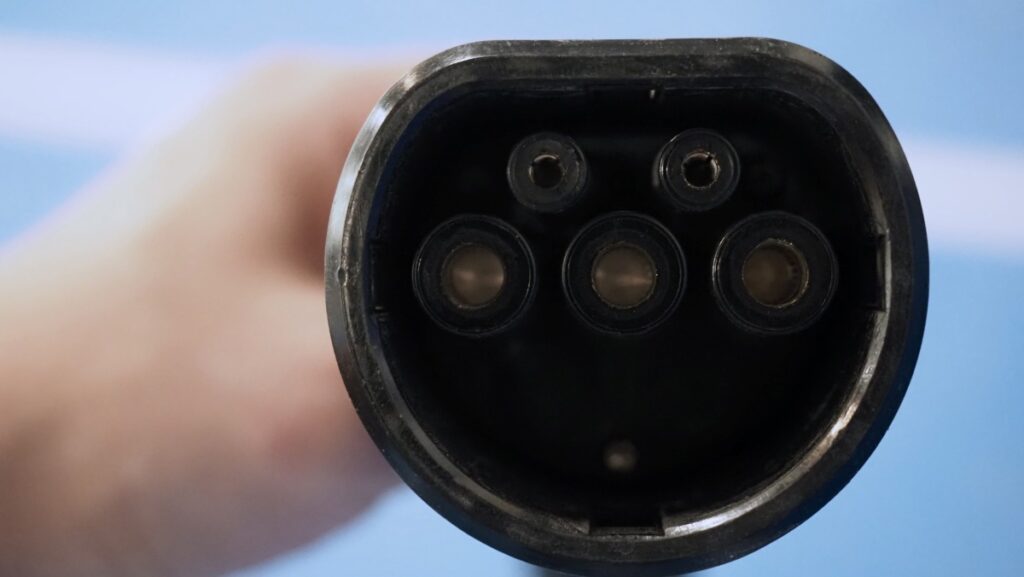
While the initial purchase price of an electric forklift can be higher, the Total Cost of Ownership (TCO) is almost always lower than Internal Combustion (IC) alternatives.
Lower Fuel Costs: Electricity is significantly cheaper per “hour of work” than diesel or LPG.
Simplified Mechanics: Electric motors have roughly 25% fewer moving parts than internal combustion engines. This means fewer filters, no oil changes, and significantly lower long-term maintenance bills.
You cannot manage what you do not measure. Modern forklift telematics provide a window into your fleet’s true performance.
Usage Tracking: Telematics can identify “dead time” where trucks are sitting idle. This data may reveal that you can maintain the same productivity with 9 trucks instead of 10.
Impact Reporting: Sensors can alert managers to collisions in real-time. This accountability drastically reduces damage to racking, stock, and the forklifts themselves.
For those using lead-acid or Lithium-ion batteries, improper charging is a silent budget killer. Replacing a forklift battery prematurely can cost thousands.
Lithium-ion Benefits: If your operation runs multiple shifts, switching to Lithium-ion allows for “opportunity charging” during breaks, eliminating the need for expensive spare batteries and time-consuming battery changes.
Reducing forklift operating costs is a marathon, not a sprint. It’s about moving away from a “fix-it-when-it-breaks” mentality and toward a culture of precision, data, and preventative care. At Acclaim Handling, we specialise in helping businesses audit their fleets to uncover these hidden savings, ensuring your equipment works harder for your bottom line.

We prioritize accuracy and integrity in our content. Here's how we maintain high standards:
Our content is carefully reviewed by experienced professionals to ensure accuracy and relevance.
Look for the expert-reviewed label to read content you can trust.
 01708 861 414
