A forklift breakdown doesn’t just stop the truck, it can pause the entire flow of work for a business. It’s actually one of the biggest hidden expenses in the material handling industry. Suddenly, everything from loading and unloading to meeting deadlines becomes more difficult, creating delays that you just don’t need, and adding additional expenses that nobody planned for. These interruptions often tend to cost far more than the repair itself, affecting productivity, staffing and overall output from your company. Whether you’re managing on truck or an entire fleet, it’s important to know how much it really costs and what you can do to prevent it.
Downtime refers to any period when a truck is unavailable for use due to a fault, breakdown, or scheduled maintenance. While some downtime is unavoidable, many businesses experience far more than necessary due to poor planning or overlooked issues. And every minute the forklift is out of action, your operation feels the strain.
Forklifts are often at the heart of a warehouse or logistics operation. When one stops running, tasks such as unloading deliveries, stacking pallets, or feeding production lines are instantly delayed. A single hour of downtime can cause knock-on delays across multiple departments.
When a forklift breaks down, operators may be left waiting for another truck or be forced to perform manual work that’s slower and less efficient. You’re still paying wages – but not receiving the value of that time.
If your operation supports manufacturing or timed deliveries, even a short delay can impact customer satisfaction. Late shipments, missed deadlines, and production bottlenecks can all stem from equipment failure.
Urgent callouts are significantly more expensive than scheduled servicing. Parts may need to be rushed, technicians may need to prioritise your breakdown, and repairs are often more complex when an issue has escalated to total failure.
If one forklift fails, you may overwork your remaining fleet to compensate. This can lead to premature wear, higher maintenance costs, and more breakdowns in the long run.
A poorly maintained truck is a hazard. Faulty brakes, worn tyres, leaking hydraulics, or unstable masts can lead to serious accidents. Downtime often occurs because a fault has reached a dangerous level – which is exactly what proactive maintenance helps prevent.
There are several common causes:
The good news? Almost all downtime is preventable.
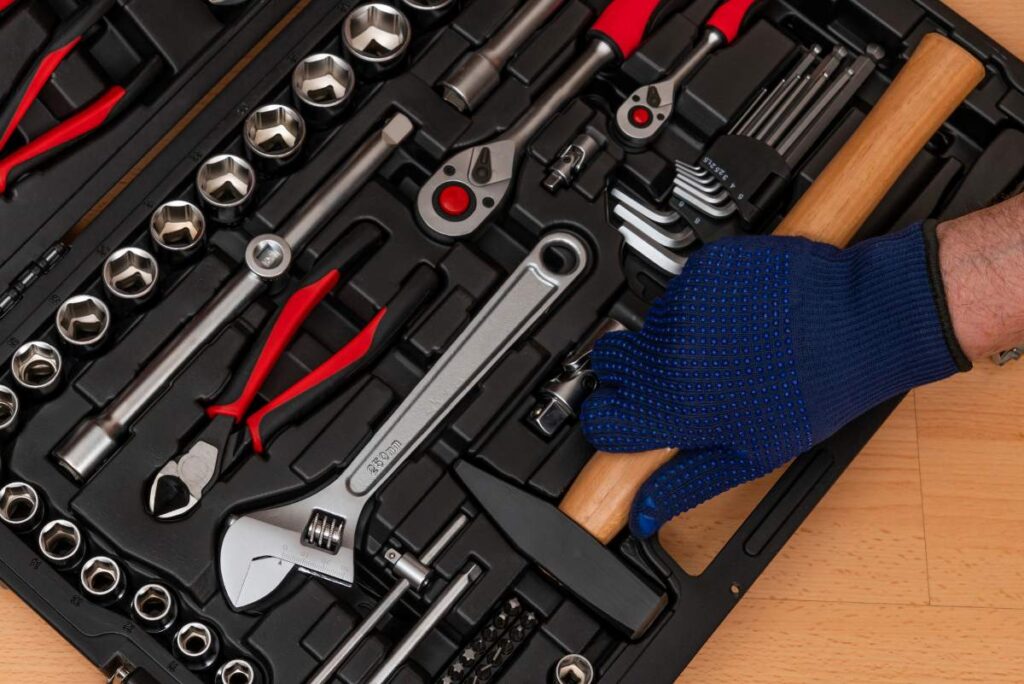
Regular servicing is the number one way to reduce downtime. Servicing catches small faults early – before they grow into major failures.
LOLER legal inspections ensure the lifting components of your forklift are safe and compliant. Skipping LOLER risks breakdowns and legal trouble.
Operators who know how to use the truck correctly cause fewer accidents, reduce wear, and are better at identifying early warning signs.
Modern forklifts alert you to many potential problems. Lights for overheating, hydraulics, or transmission issues shouldn’t be dismissed.
If your business relies heavily on forklifts, having an additional truck or short-term hire option ensures operations continue even during maintenance.
A quick 2–3 minute check at the start of each shift helps catch:
This simple habit prevents countless breakdowns.
Downtime is expensive – but it’s also one of the most controllable costs in your operation. With proactive maintenance, trained operators, and the right support partner, you can significantly reduce breakdowns, extend the life of your fleet, and maximise productivity.
Acclaim Handling offers flexible servicing, LOLER examinations, fast call-outs, and fully managed maintenance plans to help keep your trucks running smoothly with minimal interruption.

We prioritize accuracy and integrity in our content. Here's how we maintain high standards:
Our content is carefully reviewed by experienced professionals to ensure accuracy and relevance.
Look for the expert-reviewed label to read content you can trust.
 01708 861 414
