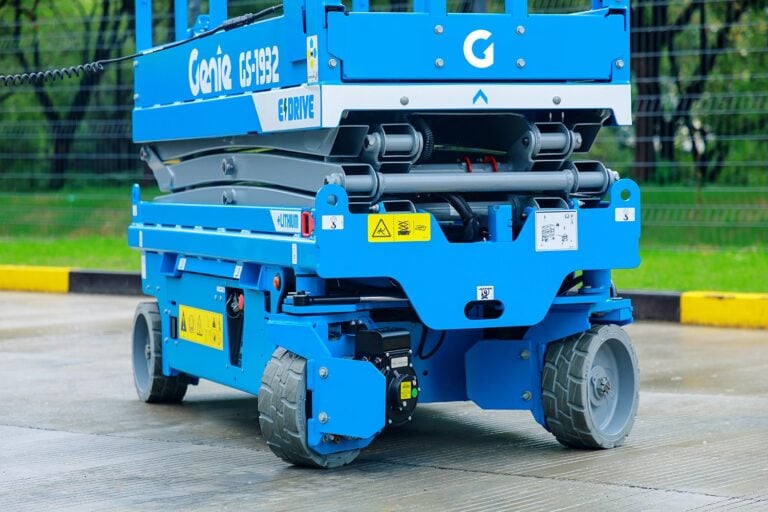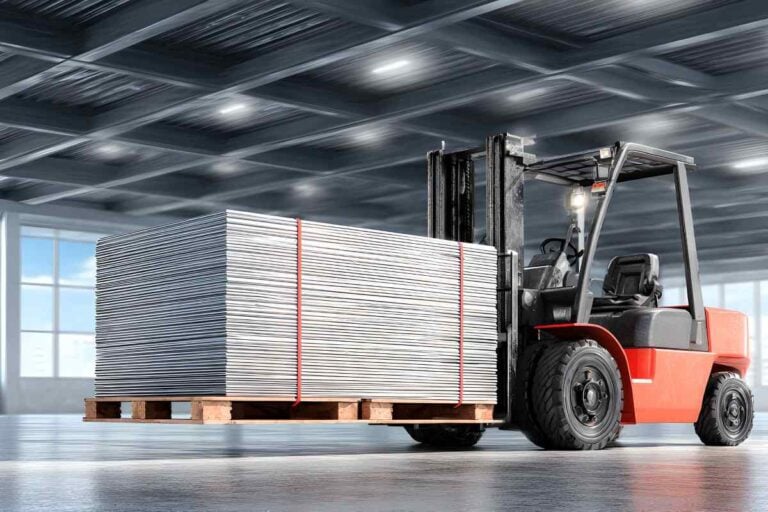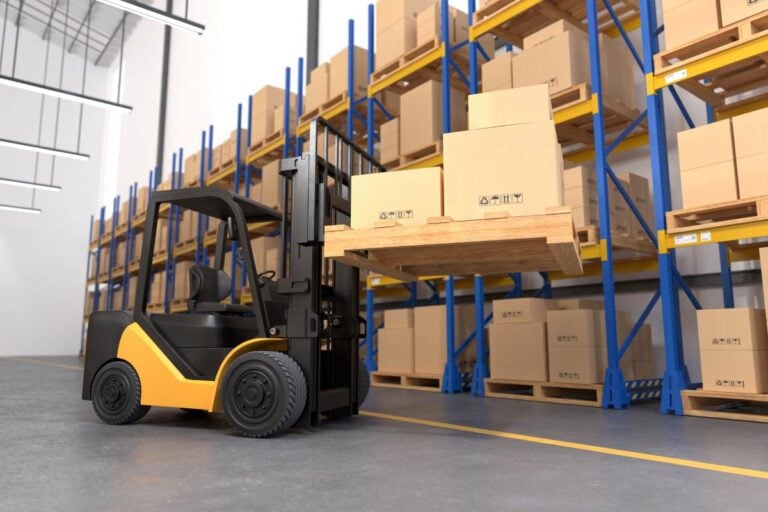
A site survey is one of our trained industry professionals visits a workspace (typically a warehouse, dock, or distribution centre) where materials handling equipment is used. While on-site they inspect all aspects of the workspace; Racking, existing MHE Equipment, Doorways, Floorspace and the Carried Loads. Their intent is to use their expertise to help the business work as efficiently as possible, making sure that all the space a company owns is used to its full potential.
MHE Operation Efficiency
Once an industry professional arrives on-site at the time and date arranged to fit your schedule, it is usually not long before they identify opportunities that can improve operational efficiency. The first step of this is often to list all the forklifts and warehouse equipment which are in use on-site and assessing that for which each piece is required. As an example, let’s say a company is using a reach truck to pull pallets down from racking, removing a few items from the pallet and then returning the pallet to the top of the racking. In a situation such as this, time could be saved by instead using an Order Picker machine.
Storage Spaces & Pallet faces
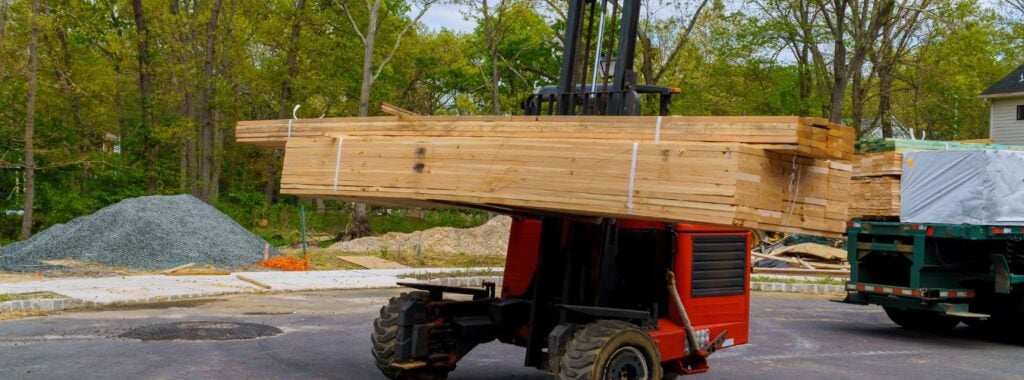
A site survey can help detect problems on the warehouse floor. (I.E A corner of the warehouse, full of pallets stacked on top of each other, pushed into position using hand pallet trucks). Inefficient use of vertical space and inventory management issues. Sometimes companies will think they need more warehouse space when they could just better use the space they already have, for instance, ensuring that the racking reaches as high as possible in every area, or even moving the racking layout to add additional pallet faces. The site survey is used to help with the layout of the racking within the workspace, as well as the combination of equipment that would work best in the environment. This all comes together into a complete optimisation review for your works space. Designing your operation around your requirements to gain its full potential. Advising the best practices for safety, efficiency and MHE processes.