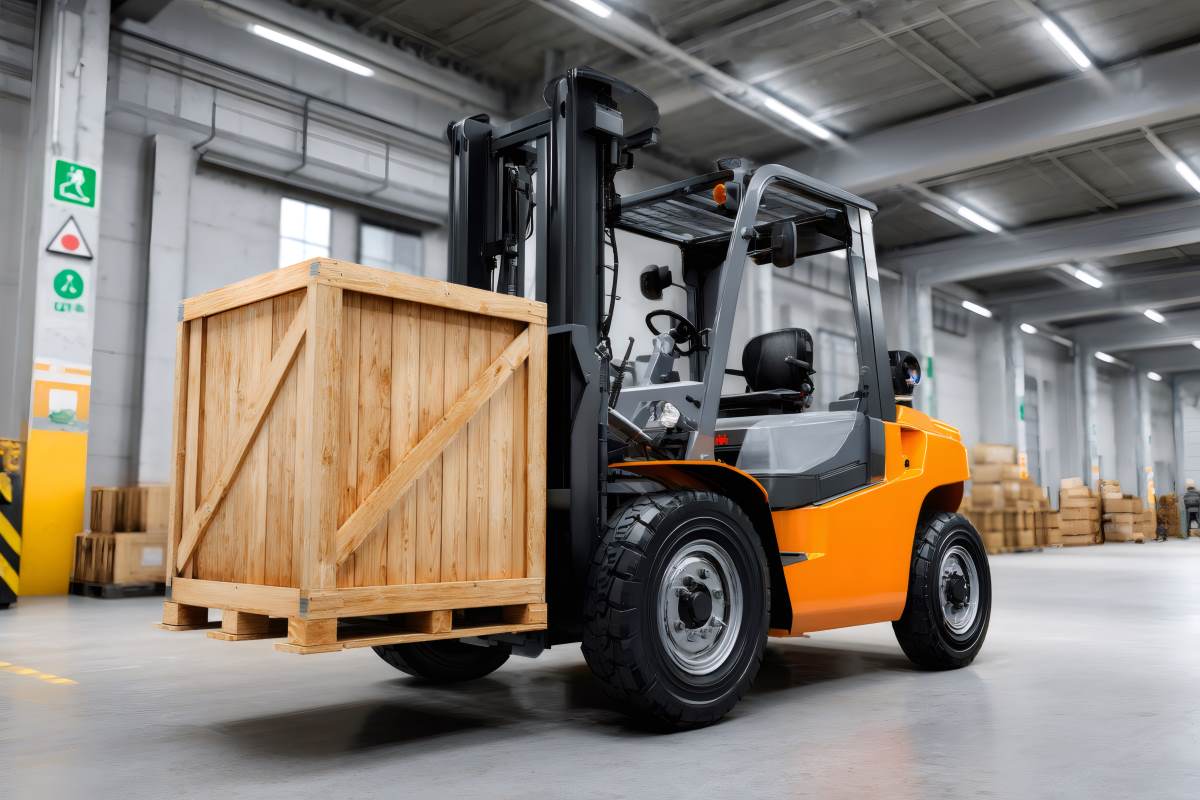
When your forklift breaks down mid-shift, everything stops. Orders pile up, deadlines slip, and frustration builds. We’ve seen it countless times – a simple maintenance issue bringing entire operations to a standstill. The good news? Most breakdowns are completely preventable with the right approach to forklift maintenance.
Why Maintenance Can’t Wait
Every business owner knows that feeling when equipment fails at the worst possible moment. Maybe it’s during your busiest season, or right when that important customer order needs shipping. Regular forklift maintenance changes this story entirely.
Think about it this way: you’re already investing thousands in material handling equipment. Protecting that investment through proper care just makes sense. Plus, when health and safety inspectors arrive (and they will), you’ll need those maintenance records ready. Nothing ruins your day quite like compliance issues and potential fines.
Supporting your business means keeping things moving, and that starts with equipment you can rely on.
Daily Checks That Actually Matter
Before anyone touches that ignition key, they need to walk around the forklift. We’re talking about a proper look, not just a quick glance. Your daily forklift maintenance checklist should become second nature to operators.
Visual Inspection
Check those tyres first. Worn treads or low pressure affect stability, especially with heavy loads. Next, examine the forks themselves. Even small cracks can lead to catastrophic failure under weight. Look underneath too – hydraulic fluid puddles mean trouble brewing.
Operational Testing
Fire it up and test everything. Brakes should bite firmly without grinding. Steering should feel smooth, not stiff or loose. The mast needs to raise and lower without jerking or unusual noises. If something feels off, it probably is. Trust your operators when they flag concerns.
Fluid Levels
Don’t forget the basics either. Oil, coolant, hydraulic fluid – these keep everything running. Electric forklifts need battery water checks. It takes minutes but saves hours of headaches later.
Building a Maintenance Schedule That Works
Manufacturer guidelines provide a starting point, but your operation is unique. A forklift moving pallets twice daily needs different care than one running double shifts in a busy warehouse.
Weekly Tasks
Weekly maintenance goes beyond daily checks. Clean those air filters – dusty environments clog them fast. Lubricate moving parts where metal meets metal. Check battery terminals for corrosion, especially in humid conditions. Give seat belts and safety features a proper inspection too.
Monthly Requirements
Monthly checks dig deeper. Test your backup alarms and emergency stops properly. Brake fluid needs checking – dark or gritty fluid signals problems ahead. Look at the exhaust system too. Black smoke or unusual smells mean engine issues developing. Review your maintenance logs here as well. Patterns emerge when you track problems consistently.
Professional Servicing
Every quarter, bring in the professionals. They’ll perform brake system tests you can’t do safely yourself. Transmission and differential fluids need expert attention. Electrical systems require proper diagnostic equipment. Load testing ensures your forklift still handles its rated capacity safely.
Annual servicing represents your deepest dive. Engine overhauls, complete filter changes, spark plug replacements – these keep older equipment running like new. Safety certification happens here too, keeping you compliant and your team protected.
Mistakes That Cost Money

We see the same problems repeatedly across different sites. Skipping daily checks tops the list. “We’re too busy” becomes “we’re broken down” remarkably fast. Small hydraulic leaks get ignored until major components fail. Scheduled services get pushed back to save money, then emergency repairs cost triple.
Using cheap aftermarket parts seems smart until they fail prematurely. Generic hydraulic fluids may seem fine at first, but they often lack the additives/ specifications needed to protect critical components long-term.Poor record keeping hurts too – without documentation, you can’t spot developing issues or prove compliance during inspections.
Safety During Maintenance
Expert advice always emphasises safety first. Park on level ground with brakes engaged and wheels chocked. Never work under raised forks without proper supports. Disconnect batteries before electrical work begins. Lock out controls so nobody accidentally starts the equipment while you’re working on it.
Personal protective equipment isn’t optional. Safety glasses, steel-toed boots, gloves – they’re essential. Only qualified technicians should tackle complex repairs. Your operators excel at daily checks, but leave hydraulic rebuilds and electrical diagnostics to trained professionals.
Making Maintenance Affordable
Success built on service doesn’t mean breaking the bank. Smart scheduling minimises disruption – many sites service equipment during night shifts or weekends. Well-trained operators prevent damage through proper use, reducing repair frequency.
Quality parts cost more upfront but last longer. We’ve seen businesses switch to premium filters and double their service intervals. Building relationships with service providers often brings better rates and priority scheduling when you need emergency help.
Environmental Impact
Sustainability matters more than ever. Well-maintained forklifts burn less fuel and produce fewer emissions. Regular servicing extends equipment life, keeping machines out of scrapyards longer. Proper fluid disposal and recycling protects local water supplies. These practices support environmental goals while reducing operating costs.
Getting Started Today
Transforming your maintenance approach doesn’t require massive changes overnight. Start by evaluating current practices honestly. Where are the gaps? Implement proper daily checks first – they’re free and incredibly effective.
Develop a realistic maintenance schedule based on your actual usage. Train operators thoroughly on what to look for. Find service providers who understand your business needs and can work around your schedule.
And don’t forget, your reliable material handling equipment represents a significant investment. So whether you run one forklift or fifty, consistent maintenance keeps operations smooth and costs predictable.
Supporting your business through trusted material handling solutions means more than selling equipment. It’s about keeping your operation running efficiently, safely, and profitably. And when maintenance becomes routine rather than reactive, you’ll wonder why you didn’t start sooner.

Related Posts
10 Useful Forklift Attachments for Safer, More Efficient Material Handling

7 Common Forklift Brake Problems and How to Fix Them
10 Common Electric Forklift Problems
6 Hidden Costs of Buying a Forklift — and How to Avoid Them
Complete Warehouse Relocation Checklist