On this page
Walk into any experienced forklift mechanic’s workshop and you’ll spot the difference immediately. It’s not just about having tools – it’s about having the right tools that can turn six-hour repairs into two-hour fixes. We’ve watched talented mechanics struggle with inadequate equipment while properly equipped technicians breeze through complex repairs. Let’s take a look at what an essential mechanic toolkit should look like.
Basic Hand Tools: The Foundation
Every forklift mechanic needs quality basics, but these aren’t your standard garage tools. Forklift work demands heavy-duty equipment built for industrial abuse. Cheap tools break at the worst moments, turning simple jobs into frustrating ordeals.
Socket Sets and Wrenches
Industrial-grade socket sets form your core toolkit, with both metric and imperial sizes essential since forklifts come from worldwide manufacturers. Deep sockets handle recessed bolts common in engine compartments, while standard sockets work for general repairs. Impact-rated sockets withstand pneumatic tool use without cracking – key when dealing with stubborn, corroded fasteners that haven’t moved in years.
Quality combination wrenches in full size ranges prevent rounded bolt heads and damaged knuckles. Ratcheting wrenches speed up work in tight spaces where socket access proves impossible. Don’t forget extra-long wrenches for leverage on stubborn bolts – sometimes mechanical advantage beats all the fancy tools.
Screwdrivers and Pliers
Heavy-duty screwdrivers with hardened tips resist cam-out and damage better than standard versions. Magnetic tips save countless dropped screws in engine bays, while insulated handles protect against electrical surprises. Various lengths handle everything from tiny adjustment screws to major component fastenings.
Professional-grade pliers including needle-nose, standard, and locking varieties handle diverse tasks throughout forklift systems. Vice-Grips become third hands during awkward repairs, while quality wire strippers and crimpers ensure reliable electrical connections that won’t fail later.
Diagnostic Equipment: Finding Problems Fast
Modern forklifts contain sophisticated systems requiring proper diagnostic tools for effective troubleshooting. Guessing at problems wastes time and money while potentially missing serious issues developing elsewhere.
Multimeters and Electrical Tools
Digital multimeters diagnose electrical faults from dead batteries to faulty sensors quickly and accurately. Quality meters with auto-ranging simplify testing while protective features prevent expensive mistakes. Additional electrical tools like circuit testers, amp clamps, and battery load testers pinpoint problems others might miss entirely.
For newer forklifts with electronic controls, diagnostic laptops with OEM (Original Equipment Manufacturer) software, such as those from STILL, are essential… become essential investments. These tools read error codes, monitor system parameters, and enable programming changes that manual methods can’t achieve. While expensive initially, they pay back through faster, more accurate repairs.
Pressure Gauges and Flow Meters
Hydraulic system problems often hide until catastrophic failure without proper testing equipment. Pressure gauges rated for high PSI verify pump output, relief valve settings, and system integrity. Flow meters check whether pumps deliver adequate volume – pressure alone doesn’t tell the complete story.
Temperature guns help identify overheating components before they fail completely. That hydraulic pump running 20 degrees hot won’t last long, but you’d never know without checking. These non-contact tools also verify cooling system operation and identify dragging brakes.
Specialty Forklift Tools
Some tools exist specifically for forklift work, making difficult jobs manageable and safer. These investments separate professional mechanics from general repair shops struggling with equipment they rarely service.
Chain and Mast Tools
Chain tension gauges ensure proper adjustment – too tight accelerates wear while too loose risks dangerous failures. Chain pullers safely remove and install chains without fighting spring tension or risking injury. Quality gauges pay for themselves by preventing premature chain replacements and catastrophic failures.
Mast alignment tools verify tracks run parallel and bearings adjust correctly after major repairs. Misalignment causes rapid wear and unsafe operation, but eyeballing adjustments rarely achieves acceptable accuracy. Proper tools ensure repairs last while maintaining safe operation.
Bearing Pullers and Installers
Forklift bearings endure tremendous loads requiring proper removal and installation tools. Quality bearing pullers prevent damage during removal while proper installers ensure correct seating without impact damage. Hydraulic pullers handle stubborn bearings that mechanical versions can’t budge.
Seal drivers in various sizes prevent new seal damage during installation – hammering seals destroys them before they ever see service. Complete sets cover common sizes while adjustable versions handle oddball applications.
Safety Equipment: Protecting Your Investment
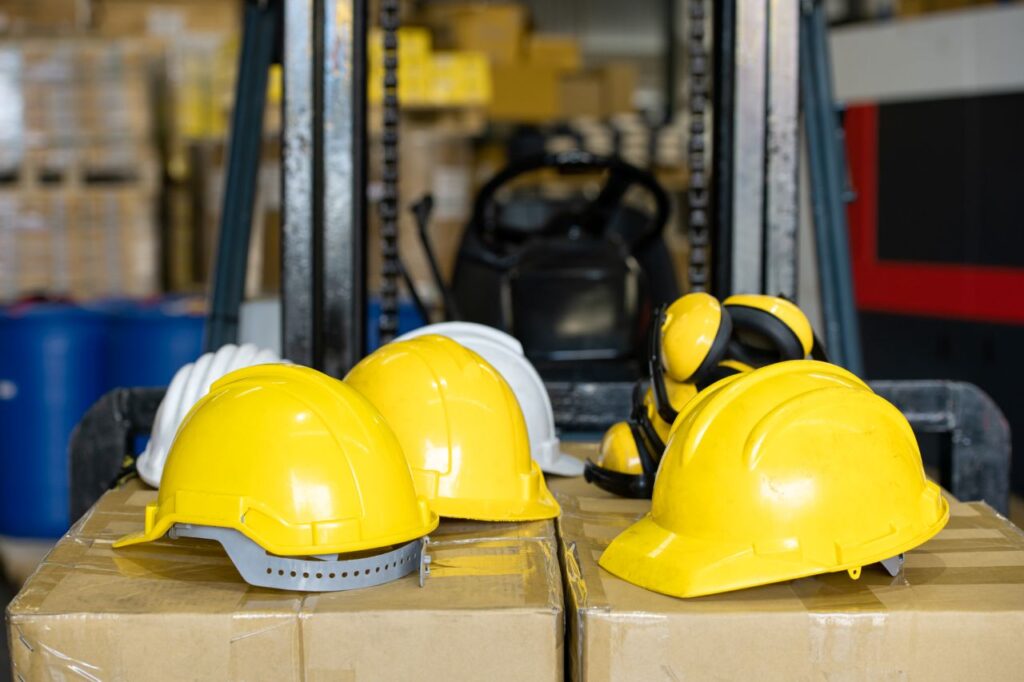
Supporting your business means protecting your most valuable asset – skilled mechanics. Proper safety equipment prevents injuries that sideline experienced technicians while potentially saving lives.
Personal Protective Gear
Safety glasses rated for impact protection shield eyes from flying debris and hydraulic spray incidents. Side shields add protection often missing from standard glasses. Quality mechanics invest in prescription safety glasses rather than wearing inadequate protection over regular glasses.
Heavy-duty gloves protect hands while maintaining dexterity for detailed work. Different types serve various purposes – nitrile for fluid resistance, leather for heat protection, and cut-resistant versions for sharp edges. Steel-toed boots with slip-resistant soles prevent crushing injuries and dangerous falls on oily surfaces.
Shop Safety Tools
Hydraulic jack stands rated for forklift weights provide stable support during repairs – never trust jacks alone. Quality wheel chocks prevent dangerous rolling while lock-out/tag-out equipment ensures nobody starts equipment during service. These tools prevent accidents that damage equipment and destroy careers.
Fire extinguishers suitable for fuel and electrical fires belong within easy reach. Spill kits handle inevitable fluid leaks before they become slip hazards or environmental problems. First aid supplies including eye wash stations prepare for accidents despite best prevention efforts.
Organisational Tools
Efficiency multiplies when mechanics stay organised rather than hunting for tools constantly. Professional organisation systems save hours weekly while preventing lost tools and forgotten steps.
Tool Storage Solutions
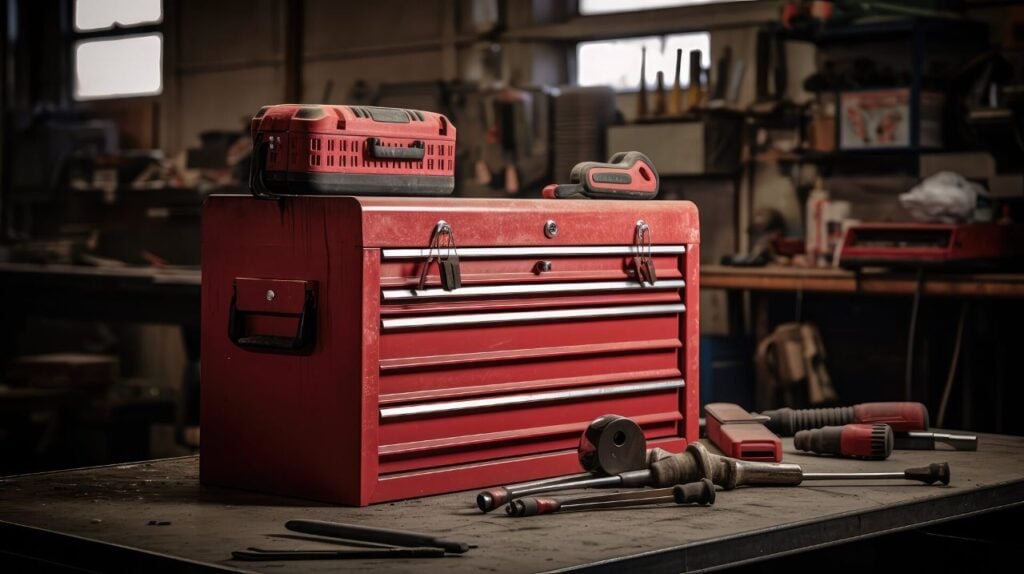
Rolling tool chests keep frequently used tools accessible while protecting expensive investments from damage. Drawer organisers prevent the jumbled mess that wastes time and damages precision tools. Foam inserts clearly show missing tools – important when working around critical machinery.
Portable tool bags or boxes travel to breakdown sites with essential tools organised logically. Magnetic parts trays prevent lost fasteners during disassembly while parts bins organise common consumables like filters and belts. The time saved hunting for tools pays for quality storage quickly.
Making Smart Tool Investments
Expert advice emphasises buying quality tools once rather than cheap tools repeatedly. Professional tools cost more initially but last decades with proper care. They work better, making jobs easier and faster while reducing mechanic fatigue and frustration.
When building your toolkit, prioritise tools used daily before acquiring specialty items needed occasionally. Many mechanics work with trusted forklift repair services like us, sharing expensive diagnostic equipment while building personal tool collections gradually.
The Bottom Line
Success built on service requires proper tools enabling efficient, professional repairs. Well-equipped mechanics prevent costly repairs by catching problems early and fixing them correctly initially. The investment in quality tools pays back through faster repairs, fewer comebacks, and improved safety.
Whether you’re maintaining a single forklift or servicing entire fleets, having the right tools transforms difficult jobs into manageable tasks. Professional tools demonstrate commitment to quality work while enabling the efficiency modern operations demand. Start with essentials, add specialty tools as needed, and always prioritise quality over initial price – your future self will thank you.