On this page
Purchasing a used forklift makes financial sense for many businesses. The depreciation curve on material handling equipment is steep, which means you can acquire capable machinery at a fraction of the new price. That said, the wrong purchase can become expensive quickly.
Most issues with used forklifts aren’t immediately obvious during a brief inspection. Operators who’ve worked with equipment for years will tell you the same thing: mechanical problems tend to reveal themselves gradually, often after you’ve already committed to the purchase and integrated the machine into your operations.
Check the Hour Meter Reading
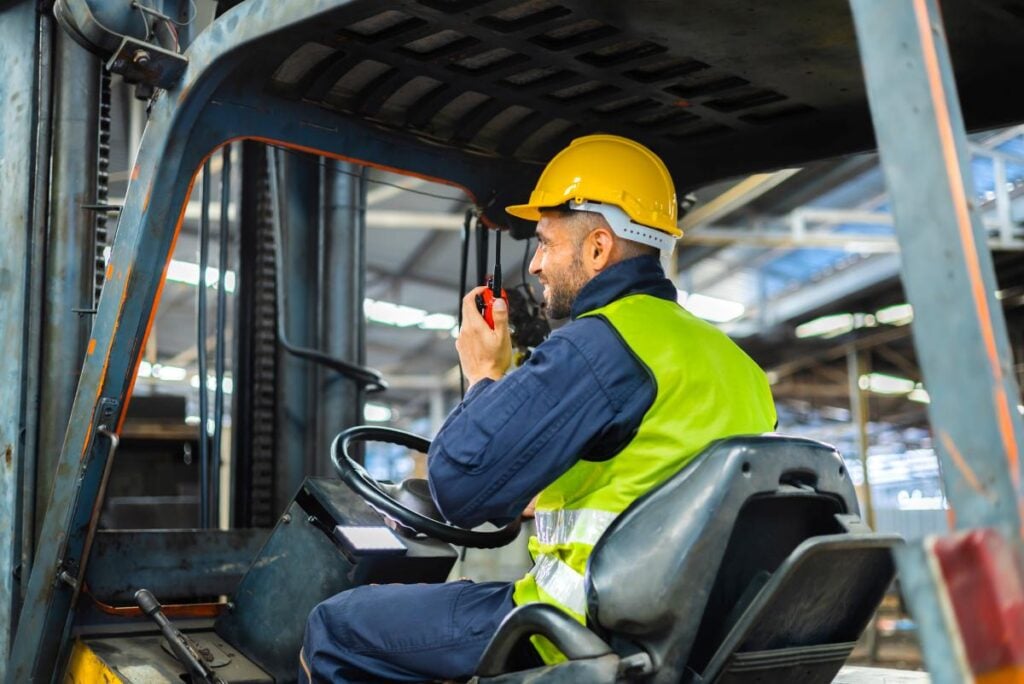
The hour meter functions like an odometer. It tells you how hard the machine has worked throughout its life.
A forklift with 10,000 hours isn’t necessarily problematic, but it does indicate substantial use. Industrial forklifts typically deliver reliable service up to 10,000-12,000 hours when properly maintained. Beyond that threshold, you’re looking at equipment that will require more frequent repairs and replacement parts.
Some sellers tamper with hour meters. Cross-reference the reading against maintenance records if available. The service history should align with the hours shown.
Examine the Mast and Forks
The mast assembly bears the weight of every load the forklift has ever lifted. Inspect it carefully.
Look for cracks in the mast rails, particularly near welds and mounting points. Slight surface rust is normal, but deep corrosion or visible damage suggests the forklift has been overloaded or poorly maintained. Run the mast through its full range of motion. It should move smoothly without jerking or unusual sounds.
The forks themselves wear down over time. Measure the thickness at several points along each blade. If either fork has worn more than 10% of its original thickness, replacement is necessary. Uneven wear between the two forks indicates the machine has been handling unbalanced loads.
Test the Hydraulic System
Hydraulic failures cause downtime. They’re also expensive to repair.
Start the forklift and raise the forks to full height with no load. Hold them there for several minutes. They shouldn’t drop noticeably. Even slight settling can indicate worn seals or cylinder problems that will worsen rapidly once you start using the equipment regularly.
Check underneath for hydraulic leaks. Fresh oil around hoses, cylinders, or the pump suggests active problems. Small leaks become larger ones.
Assess the Tyres
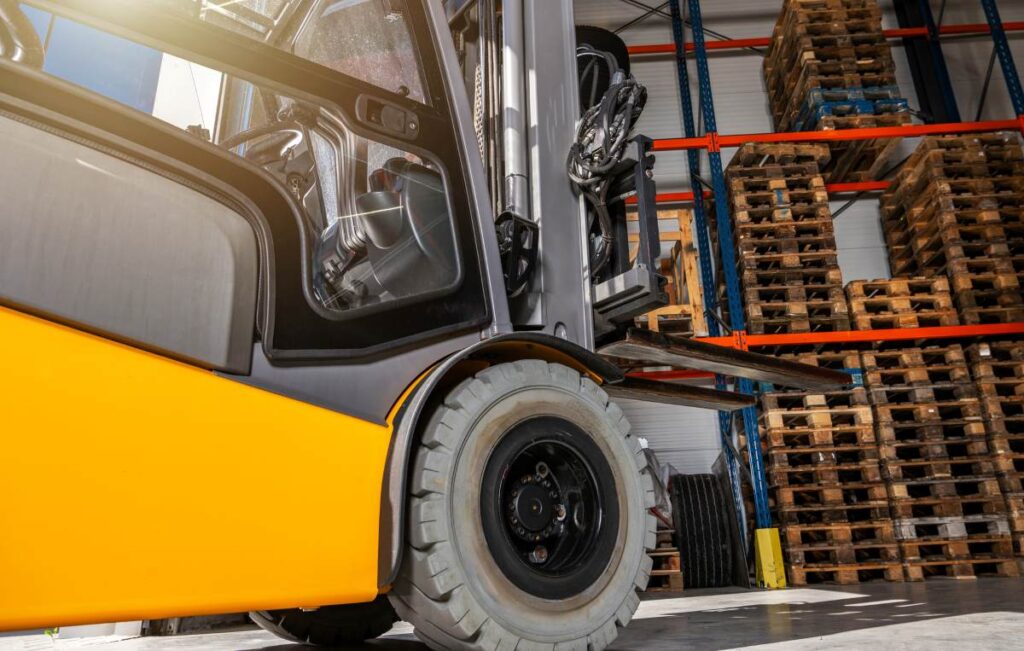
Forklift tyres cost more than most people expect. Budget several hundred pounds per tyre for replacements.
Cushion tyres should show even wear across the surface. If you’re considering choosing the right type of forklift for outdoor applications, pneumatic tyres need adequate tread depth and no visible damage to the sidewalls. Uneven tyre wear points to alignment issues or poor operator habits, both of which affect the machine’s stability and safety.
Inspect the Power Source
For diesel and gas forklifts, engine condition determines long-term reliability. Listen for knocking, excessive smoke, or rough idling. Check the oil and coolant levels. Dark, dirty oil or contaminated coolant indicates maintenance has been deferred.
Electric forklifts depend entirely on battery condition. The battery represents a significant portion of the machine’s value. Ask about battery age and charge capacity. A battery nearing the end of its useful life might require replacement within months, adding thousands to your actual purchase cost.
Review Maintenance Records
Complete service records separate well-maintained equipment from machines that have been run into the ground.
Documentation should include regular oil changes, hydraulic system services, and any major repairs. Pay attention to recurring problems. If the same component has failed multiple times, that’s a pattern worth noting. Missing records don’t automatically disqualify a forklift, but they do increase your risk.
Evaluate the Chains
Lift chains endure enormous tension. They also fail catastrophically when they break.
Inspect the chains for rust, kinks, or stretched links. The pins should sit firmly in place with no excessive play. If you can see daylight between the chain and the sprockets when the mast is at rest, the chains have stretched beyond safe limits.
Replacing chains isn’t particularly expensive, but it’s an additional cost to factor into your purchase decision.
Consider the Overall Condition
Step back and look at the forklift as a whole. Dents and scratches tell you about the work environment and operator care. A machine covered in significant damage has likely been operated roughly or in challenging conditions.
Check the operator compartment. Worn controls, damaged seats, and missing safety features suggest the equipment hasn’t been treated well. These details matter because they reflect the broader approach to maintenance and care.
The right used forklift delivers years of reliable service at a reasonable price. The wrong one creates ongoing expenses that quickly exceed any initial savings. Take your time during the inspection process. If you’re not comfortable assessing the equipment yourself, hire someone who is. And when you find the right machine, you can explore quality forklifts for different applications to compare against your choice.
Most sellers won’t object to a thorough inspection. If they do, that tells you something worth knowing.