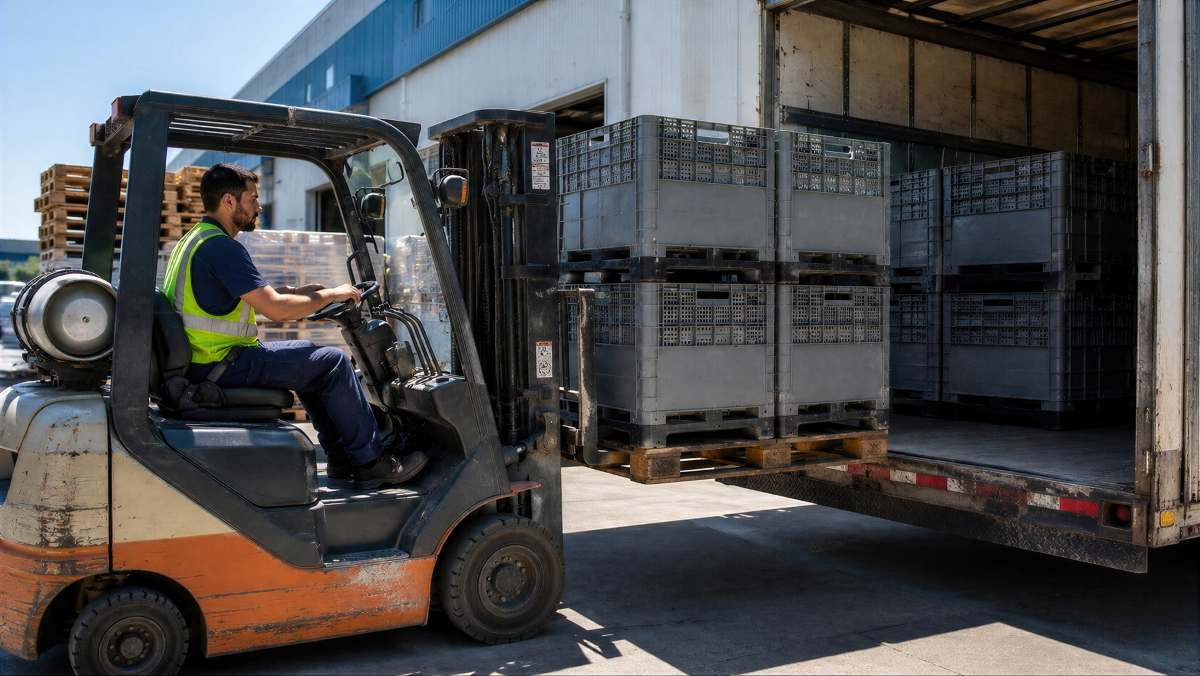
As more businesses look to become cleaner, more efficient, and more cost-effective, electric forklifts are becoming the go-to choice for many operations. But switching to an electric fleet is a big decision – and one that requires careful planning to ensure you get the best return on investment.
Here’s everything you need to know before making the switch.
1. Understand Your Current Operating Demands
Before making the big switch and commitment to electric trucks, it is a good idea to take a detailed look at your operation.
Think about how many hours per day that your forklifts run, do you operate on multiple shifts, are your working conditions inside, outside or a mix of both, do your loads require a high lift capacity, how often are you handling heavy or oversized pallets?
Electric forklifts have improved dramatically in recent years, but, as with any kind of vehicle, each model has its limitations and special requirements. Taking a look at your real workload will help you choose the right battery type and truck specification.
2. Battery Types: Lithium vs Lead-Acid
Electric forklifts typically use lead-acid or lithium-ion batteries.
Lead-Acid Batteries
Pros:
- Lower upfront cost
- Familiar technology
- Suitable for most standard operations
Cons:
- Long charging times (6–12 hours)
- Regular watering required
- Must cool down after charging
- More maintenance
Lithium-Ion Batteries
Pros:
- Fast opportunity charging
- No maintenance
- Longer lifespan
- Energy efficient
- Suitable for multi-shift operations
Cons:
- Higher upfront investment
- May require electrical infrastructure upgrades
If you run long shifts or need 24/7 availability, lithium-ion typically offers the best value.
3. Charging Infrastructure: What You’re Going to Need
Switching to electric means that you’re going to have to invest in proper charging facilities.
There are some things to consider with this.
- Do you have enough space for a dedicated charging station?
- Can your current electrical supply support multiple chargers?
- Will you need rapid chargers for lithium models?
- Do you need ventilation for lead-acid charging?
A site survey helps identify any upgrades needed before installation or purchase of an electric forklift truck.
4. Environmental Conditions
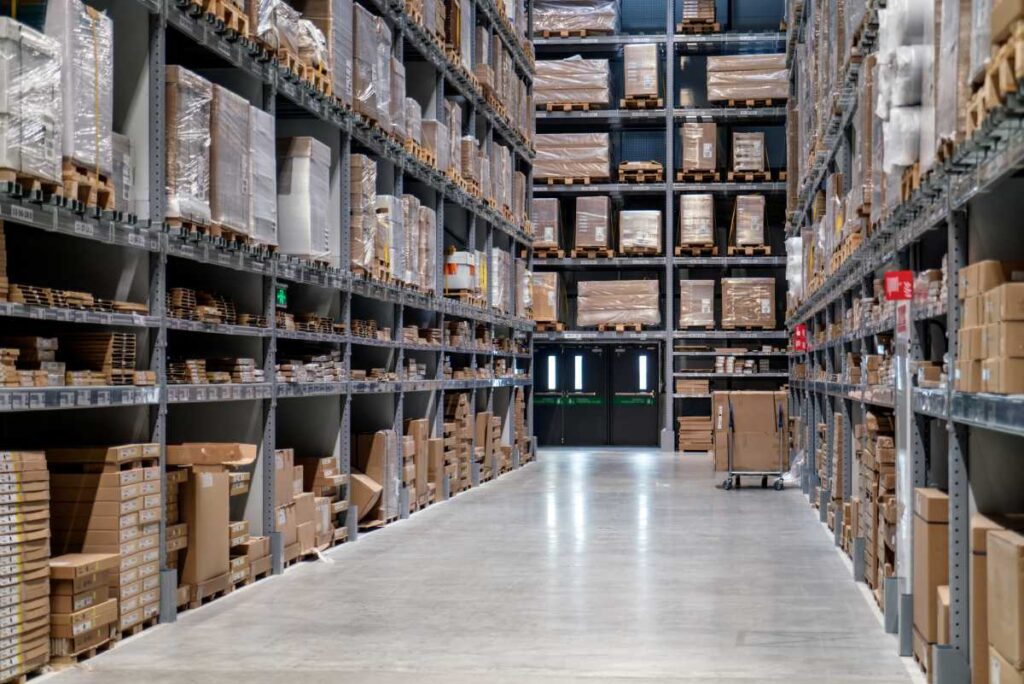
Electric forklifts perform exceptionally well indoors, but when it comes to outdoors, conditions must be considered before you go ahead and make the switch.
- Will the trucks operate on wet, cold, or uneven surfaces?
- Do you need weatherproof cabins?
- Are you working in multi-temperature environments such as freezers?
Cold temperatures, for example, can reduce battery efficiency unless the truck and battery are designed for such environments. Think of it like an electric car, in the summer you may be able to get 300-400 miles on one charge, but it comes to the colder months, you’re getting 200 miles out of a full charge max!
5. Cost Savings: What You Gain
Many businesses switch to electric because of the long-term savings that go alongside it:
Lower fuel costs
Electricity is far cheaper per hour of use than diesel or LPG.
Lower maintenance
Electric trucks have fewer moving parts, resulting in fewer breakdowns and lower servicing costs.
Longer lifespan
Electric forklifts typically last longer due to reduced engine wear.
Environmental benefits
No emissions, lower noise levels, and a cleaner working environment.
6. Drivers Love Them – But Training May Be Needed
Electric forklifts are quieter, smoother, and easier to drive. However:
- Regenerative braking feels different
- Acceleration is often faster
- Battery safety requires training
- Operators must learn new pre-use checks
Ensuring that operators are correctly trained with the most up to date training will ensure that safety and performance stay at an optimum high.
If you’re looking for forklift training, get in touch with a member of our training team today – we can get you booked in!
7. Your Future Demand Matters
If your business is growing, switching to electric now can put you ahead of upcoming sustainability standards. However, avoid overcommitting – start with a mix of electric and IC (internal combustion) trucks if needed, then expand gradually.
Acclaim Handling offers flexible short-term hire and demo trucks, allowing businesses to test electric before fully committing.
Is Going Electric Right for You?
Electric forklifts are an excellent investment when:
- You run long or multiple shifts
- You want lower running costs
- You value quieter, cleaner operations
- You want to reduce carbon emissions
- Your environment is mostly indoors
They may require additional planning, but the long-term benefits can significantly outweigh the initial setup costs.

Related Posts
Predictive vs Preventive Maintenance: What’s the Difference?

The True Cost of Delaying a Forklift Repair
How Forklift Rentals Help Warehouses Stay Flexible
Top Industries that Benefit from Forklift Hire
How Warehousing Demands Are Changing Forklift Requirements