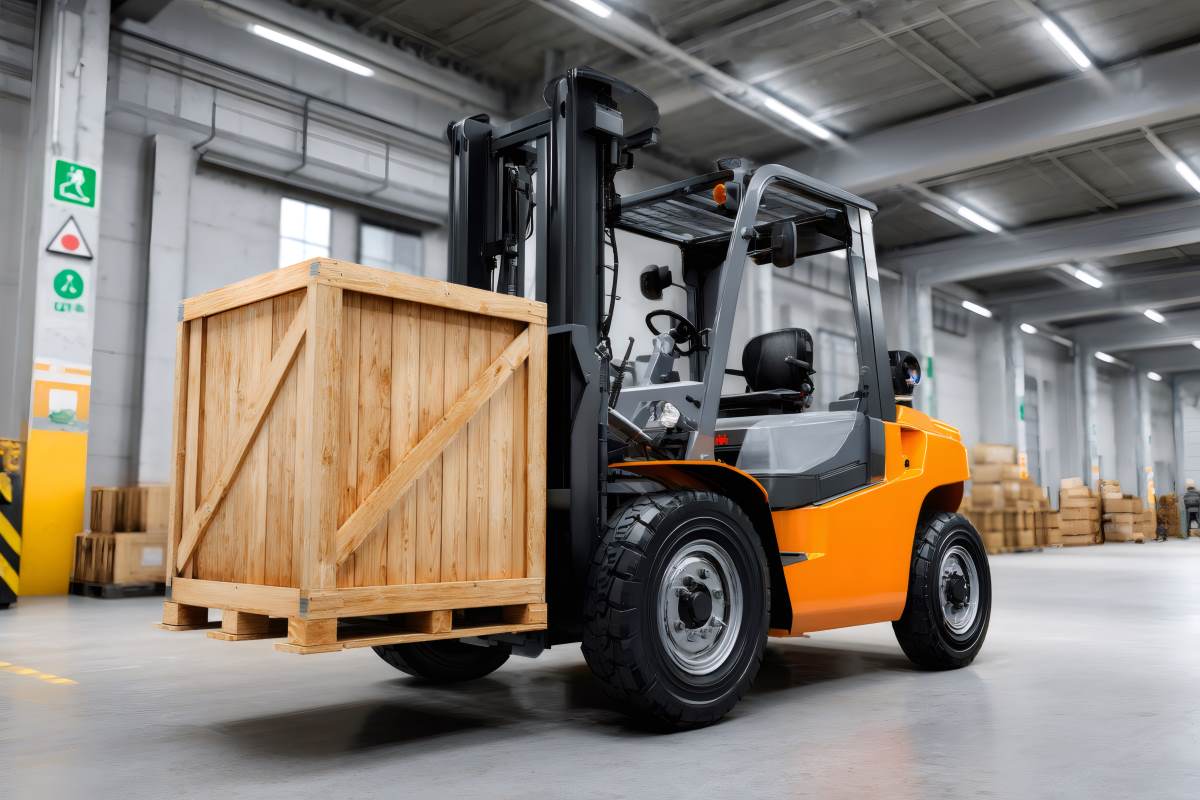
Winter introduces a specific set of operational hurdles for warehouse and logistics managers. Plunging temperatures, shorter daylight hours, and the arrival of ice and snow don’t just affect comfort-they directly impact your equipment’s health, your team’s safety, and your overall bottom line.
By taking a proactive approach this season, you can mitigate the risks of seasonal downtime and ensure your facility remains a high-performing environment. Here is how to prepare your warehouse for the winter months.
1. Optimise Your Forklift Fleet for the Cold
Cold weather is notoriously punishing on material handling equipment. To avoid unexpected breakdowns during a busy shift, conduct a specialised winter inspection:
Battery Health: Cold temperatures can reduce battery capacity by up to 30%. Ensure all batteries are holding a full charge and that charging stations are kept in a temperature-controlled area if possible.
Tire Integrity: Check for adequate tread depth and “flat spotting.” On icy or wet loading bays, traction is the difference between a safe stop and a dangerous skid.
Operational Essentials: Verify that all cab heaters, defrosting systems, and visibility lights are functioning at 100%. If operators are cold, their focus and reaction times diminish.
2. Master the “Darker Hours” with Enhanced Lighting
With the sun setting earlier, visibility becomes a primary safety concern, particularly in high-traffic transition zones between the warehouse and the yard.
Internal Visibility: If your facility still relies on ageing halogen bulbs, consider upgrading to high-output LED lighting. LEDs provide a crisper light spectrum that reduces eye strain and improves the clarity of floor markings.
External Safety: Inspect all perimeter and dock lighting. Ensure that trailer interiors and yard walkways are fully illuminated to prevent pedestrian-vehicle incidents.
3. Proactive Slip, Trip, and Fall Prevention

Moisture tracked in from the outdoors or condensation forming on cold floors creates a high-risk environment for slips.
Loading Bay Maintenance: Keep a steady supply of grit or salt near dock levellers and ramps. Ensure these areas are treated before the frost sets in each morning.
Floor Repairs: Cold weather can cause existing floor cracks to expand. Patch damaged concrete now to prevent trip hazards and avoid further structural damage.
Moisture Control: Deploy heavy-duty, absorbent anti-slip mats at all pedestrian entrances to “trap” snow and water before it reaches the polished warehouse floor.
4. Upskill Your Team for Seasonal Risks
Safety is a behavioural science. Even the most experienced operators can be caught off guard by winter conditions.
Targeted Refresher Training: Focus on “Winter Physics”-reminding operators about increased stopping distances on cold surfaces and the dangers of “wind chill” when operating in open bays.
Daily Toolbox Talks: Use your morning briefings to communicate weather alerts, remind staff about proper cold-weather PPE, and reinforce the importance of thorough pre-use equipment checks.
5. Secure Your External Infrastructure
Your warehouse is only as efficient as its access points. If the yard is blocked, the warehouse is stalled.
Drainage Audits: Ensure all gutters and yard drains are cleared of autumn leaves. Standing water that freezes into “black ice” is one of the leading causes of yard accidents.
Emergency Procedures: Establish a clear “Snow and Ice” protocol. Who is responsible for clearing the bays? At what point do outdoor operations cease for safety? Having these answers ready prevents chaotic decision-making during a storm.
Conclusion: The Value of Readiness
Winter preparation is about more than just surviving the cold; it is about protecting your assets and your workforce. A well-prepped warehouse experiences fewer “unplanned” costs, lower accident rates, and higher employee morale.

Related Posts
10 Useful Forklift Attachments for Safer, More Efficient Material Handling

7 Common Forklift Brake Problems and How to Fix Them
10 Common Electric Forklift Problems
6 Hidden Costs of Buying a Forklift — and How to Avoid Them

Complete Warehouse Relocation Checklist