Keeping your fleet of forklifts safe, compliant, and reliable is always going to rely on two forms of maintenance: LOLER examinations and service checks. Many businesses actually may assume these two are one and the same, but they serve very different purposes – and both are legally and operationally important.
Understanding the difference helps to ensure your forklifts stay safe, efficient, and fully compliant with UK law.
LOLER stands for the Lifting Operations and Lifting Equipment Regulations 1998. These regulations exist to make sure that lifting equipment (this includes forklifts) is safe for use and inspected regularly.
A LOLER examination is:
It does not involve fixing or maintaining the forklift – it is simply there to examine it to confirm it is safe to operate.
A LOLER inspection focuses strictly on the lifting system, including:
The Competent Person will check for cracks, wear, damage, and any signs of fatigue that could make lifting unsafe on these components.
A LOLER is not a service and therefore it does not include:
This is why having BOTH LOLER and servicing is essential to keep your fleet and your team safe.
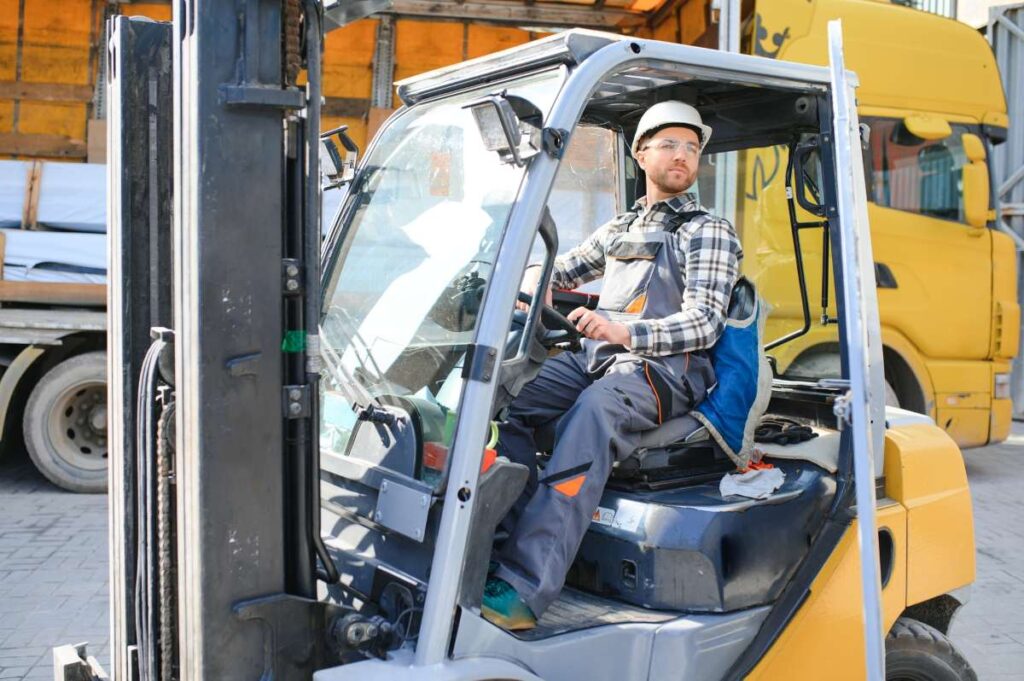
A service check is a routine maintenance procedure undertaken by a qualified engineer, designed to ensure your forklift is operating efficiently and safely for daily use.
While it is not a legal requirement, it is considered best industry practice and very important for preventing breakdowns.
A service typically includes (much like a car service!):
You can think of it like a car service – it’s an essential for reliability, longevity, and preventing unexpected failures.
| Feature | LOLER Examination | Service Check |
| Purpose | Ensure lifting system is safe and legally compliant | Maintain performance, prevent breakdowns |
| Legal Requirement? | Yes | No |
| Who Carries It Out? | Competent Person | Qualified forklift engineer/technician |
| Focus | Lifting components only | Whole truck maintenance |
| Frequency | 12 months (or 6 for man-lifting) | As recommended by manufacturer (usually every 500 hours) |
| Includes Repairs? | No | Yes, if needed |
Some businesses assume that if they have regular servicing, they don’t need LOLER – or vice versa. However, each one covers areas the other does not, and skipping either can lead to serious problems which will cost you even more time and money in the long run.
Servicing keeps everything running smoothly. LOLER ensures lifting components haven’t become dangerously worn.
Without LOLER, your business could face:
Servicing stops breakdowns. LOLER prevents catastrophic lifting failures – the most dangerous type of forklift incident.
Preventive maintenance is always cheaper than emergency repairs or equipment replacement.
Acclaim Handling can provide a combined maintenance plan that schedules both at the correct intervals, keeping your fleet safe and compliant.
One keeps your truck safe and legally compliant, the other keeps your truck healthy and productive.
Together, they reduce downtime, improve safety, and extend the lifespan of your equipment – making them essential for every responsible operation.

We prioritize accuracy and integrity in our content. Here's how we maintain high standards:
Our content is carefully reviewed by experienced professionals to ensure accuracy and relevance.
Look for the expert-reviewed label to read content you can trust.
 01708 861 414
