Most people think of engines, hydraulics, and batteries when talking about forklift maintenance, yet tyres are just as important. They’re the only point of contact between the truck and the ground, and even a small fault can compromise stability, increase stopping distance, or damage flooring. Ignoring tyre care shortens equipment lifespan and raises accident risks, making it a priority for every fleet manager.
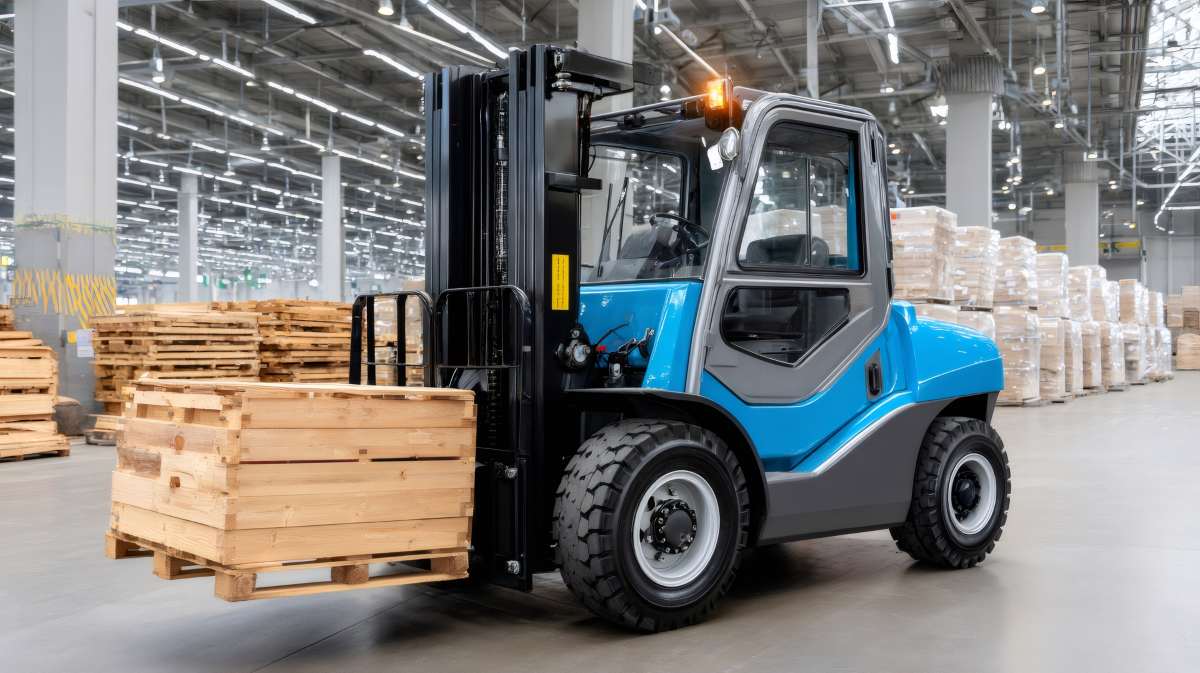
Forklift tyres generally fall into three main categories: pneumatic, solid, and cushion. Pneumatic tyres, filled with air or foam, provide good shock absorption and are best suited to outdoor or uneven terrain. Solid tyres are puncture-proof and extremely durable, making them a common choice for indoor environments where debris is less of a concern. Cushion tyres, made from solid rubber bonded to a metal band, offer excellent manoeuvrability on smooth warehouse floors but are unsuitable for rough ground. Choosing the right tyre type is the first step to ensuring both safety and efficiency.
Worn or damaged tyres reduce traction, making it harder for operators to stop safely or maintain control. Cracks, flat spots, and uneven wear also increase vibration, which not only makes the ride uncomfortable but can also damage the forklift’s mast and carriage over time. Excessive vibration contributes to fatigue, making operators less alert. Tyres in poor condition can therefore harm both people and machines, creating a double cost that far outweighs the expense of timely replacement.
There are several warning signs that tyres are reaching the end of their life. The most obvious is tread wear; once the tread depth falls below manufacturer recommendations, traction is compromised. Cracking in the sidewalls, chunking of rubber, or visible flat spots are other clear indicators. If operators notice excessive vibration or the forklift feels unstable, tyres should be inspected immediately. Daily walkaround checks are vital because small changes often go unnoticed until they become major hazards.
A structured inspection routine helps spot issues before they cause damage. Operators should include tyres in their pre-shift checks, looking for cuts, embedded debris, or signs of uneven wear. Weekly deeper inspections by supervisors or maintenance staff ensure small faults aren’t overlooked. Employers can support this by providing clear guidelines and checklists. Training operators to recognise early warning signs is just as important as equipping them with the right forklifts in the first place.

Failing to maintain tyres leads to more than just replacement costs. Poor tyre condition increases fuel or battery consumption because the forklift has to work harder. It also puts extra strain on suspension and steering components, leading to premature failures. Productivity is affected too: operators may need to slow down or take longer routes to avoid hazards, reducing efficiency across the site. For businesses already facing tight margins, these hidden costs quickly add up.
Tyre performance changes with conditions. In colder months, rubber stiffens and loses flexibility, making it more prone to cracking. Outdoor sites exposed to water, oil, or uneven terrain experience faster tyre wear. Managers should adapt inspection routines to seasonal risks. For example, forklift tyre care in winter requires particular attention to grip, ensuring trucks remain safe even in slippery conditions.
Some tyre issues can be managed temporarily—such as removing debris or smoothing minor flat spots—but others demand immediate replacement. If tyres are worn past the wear line, cracked beyond surface level, or visibly misshapen, repair is not an option. Continuing to operate in these conditions is not only unsafe but could invalidate insurance in the event of an accident. Businesses should treat replacement as a proactive measure, not a last resort.
While operators play a role in daily checks, professional servicing ensures tyres are fitted, balanced, and maintained correctly. Skilled technicians can identify alignment issues or suspension problems that cause uneven wear. Partnering with a provider for scheduled servicing keeps fleets in peak condition and reduces downtime. Employers should budget for tyre care in the same way they budget for fuel, batteries, or hydraulics, recognising it as an essential operating cost rather than an optional extra.
Tyres may seem simple compared to the complex systems inside a forklift, but they’re a cornerstone of safety and efficiency. Choosing the right type, inspecting them regularly, and replacing them at the right time prevents accidents, reduces costs, and keeps fleets running smoothly. At Acclaim Handling, we provide advice and support that helps businesses care for their trucks in every season. Whether you need servicing, training, or hire options for heavy-duty lifting, proper tyre management should always be part of the plan. It’s a detail that directly shapes safety, productivity, and profitability.

We prioritize accuracy and integrity in our content. Here's how we maintain high standards:
Our content is carefully reviewed by experienced professionals to ensure accuracy and relevance.
Look for the expert-reviewed label to read content you can trust.
 01708 861 414
