Forklifts are designed to make lifting and transporting heavy goods safer and more efficient, but they can only perform as intended when used correctly. One of the most frequently misunderstood aspects of forklift operation is how high a load should be carried while travelling. After all, the height of the forks directly affects stability, visibility, and overall workplace safety, and getting it wrong increases the risk of tipping, collisions, and accidents that could have been avoided. So, how high should a load be carried on a forklift? The answer involves a balance between clearance and control.
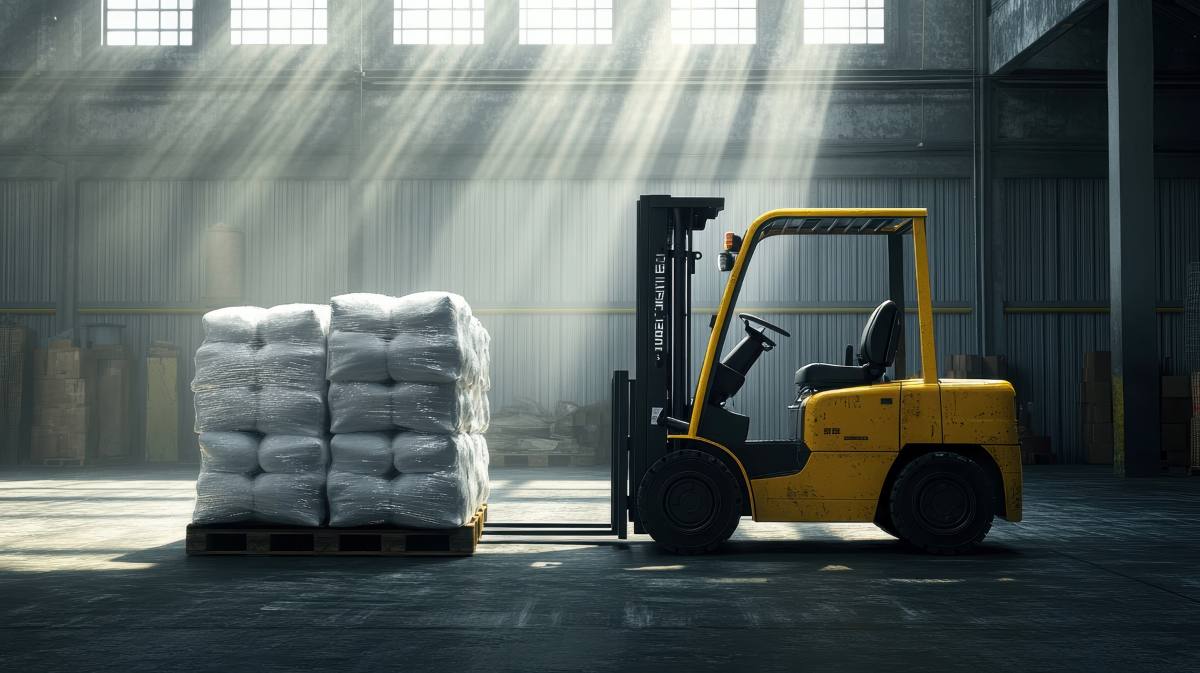
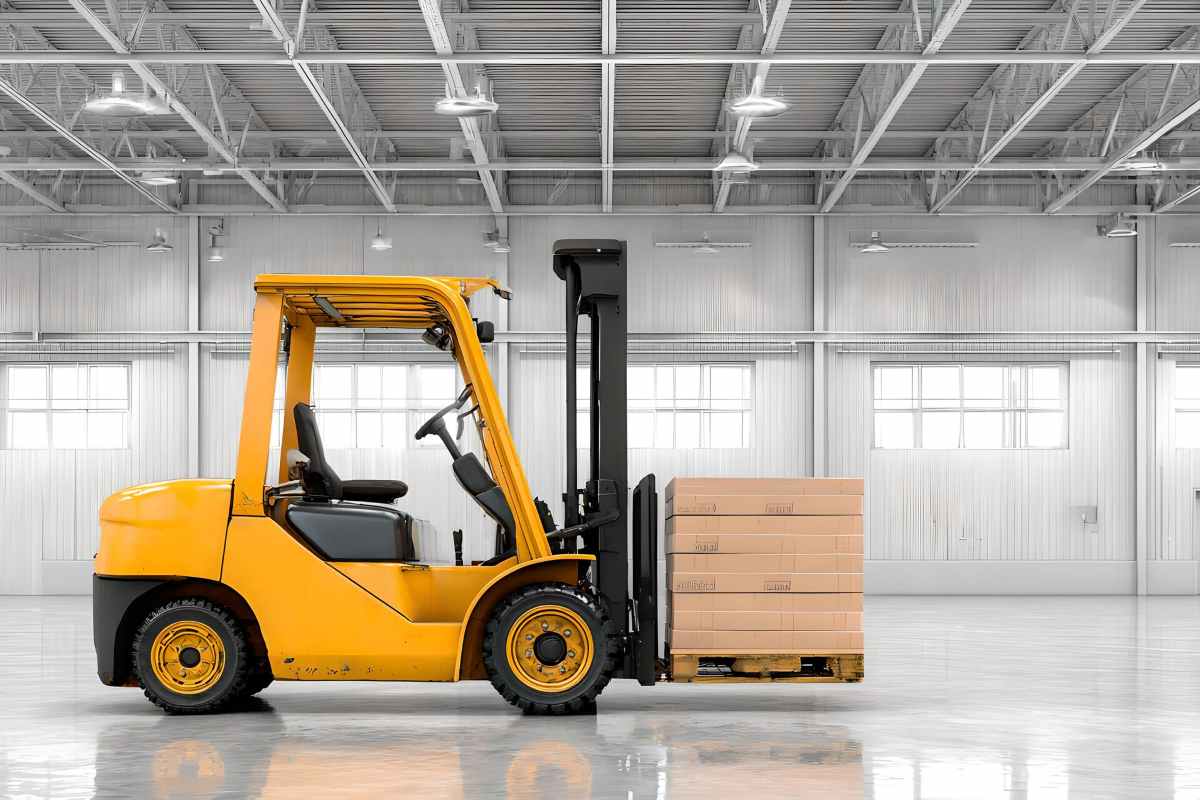
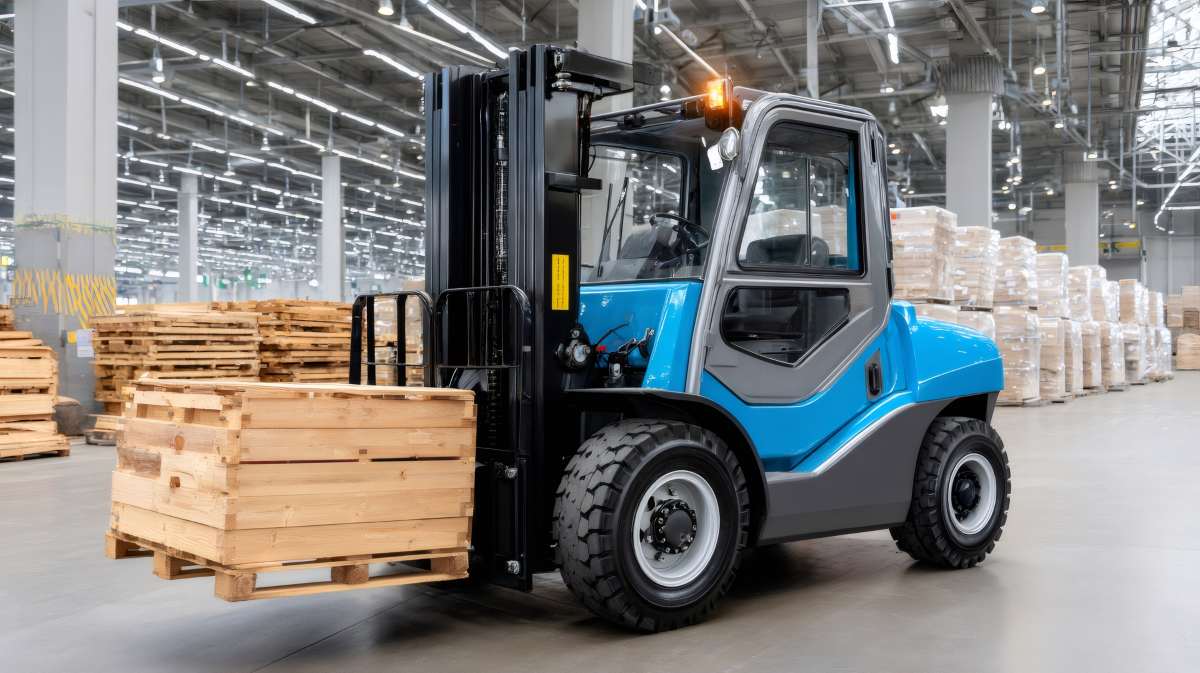
Industry guidelines state that loads should be carried with the forks low to the ground, usually between 10 and 15 centimetres. This height provides enough clearance to avoid scraping or catching on the floor, while keeping the centre of gravity as low as possible. A low load improves stability and reduces the chance of the forklift tipping if the operator needs to brake suddenly. It also helps prevent damage to pallets and forks, since carrying a load too close to the ground risks striking small obstacles.
Keeping a load at the right height isn’t just about stability; it also influences how well the operator can see. A load carried too high blocks forward vision, increasing the risk of collisions with pedestrians, racking, or other vehicles. Operators should always ensure they have a clear line of sight. If the load is too bulky to see over, reversing with care may be safer. Mirrors, cameras, and spotters can also support operators in situations where visibility is compromised. Reversing should only be done when necessary and with extra caution.
One of the most common causes of forklift accidents is not respecting the correct forklift fork height while driving. A raised load moves the combined centre of gravity upward and forward, reducing the size of the stability triangle and making the forklift more prone to tipping. Turning a corner or driving on uneven ground with a raised load can be particularly dangerous. In addition to the tipping hazard, a raised load increases the risk of striking overhead obstructions such as lights, sprinklers, or doorframes. Operators should always lower loads before moving off, only raising them again when stacking or unstacking.
The ideal fork height can vary slightly depending on the operating surface. On smooth indoor floors, the standard 10 to 15 centimetres is sufficient. On uneven outdoor ground, slightly more clearance may be necessary to avoid catching on bumps or debris. However, raising the load too far to compensate for rough terrain introduces its own risks. Employers should provide clear site-specific guidance on acceptable fork heights, reinforced through signage and training. This ensures operators make consistent, safe decisions regardless of conditions.
A load carried too high is also more likely to shift or slide off the forks. Even if the forklift itself remains stable, unsecured loads can fall and injure nearby workers. Keeping the load low helps reduce these risks, but operators should also tilt the mast back slightly when travelling. This tilt keeps the load against the backrest, reducing the chance of movement. Regular checks on pallet condition and securing methods add further protection, ensuring goods are transported safely from one point to another.
Unsafe practices often develop when operators are under pressure to work quickly. Carrying loads higher than recommended may save a few seconds but creates long-term hazards. Proper training emphasises why loads should stay low, how to judge the correct height, and what adjustments to make for specific environments. Employers should also remind staff that maintaining safe habits matters more than speed.
The state of the forklift itself influences how safely loads can be carried. Worn forks, faulty hydraulics, or uneven tyres can all make it harder to maintain the correct height consistently. Regular inspections and servicing are therefore essential. Even small mechanical issues may affect how the forks respond, creating uneven lifting or sudden drops. Employers that invest in maintenance support for industrial vehicles reduce these risks and help operators carry loads at the safest height possible.
Workplace layout also shapes how high loads should be carried. Narrow aisles, low ceilings, or uneven ramps all require adjustments to fork height and operator behaviour. Businesses should assess their site design with forklift safety in mind, ensuring floors are well-maintained, aisles are wide enough for turning, and overhead obstructions are clearly marked. The fewer compromises operators have to make, the easier it is to keep loads at the recommended safe height.
So, how high should a load be carried on a forklift? The safest practice is to keep loads low, around 10–15 centimetres above ground, with the mast slightly tilted back, and always within the operator’s line of sight. This guideline reduces tipping risks, prevents collisions, and improves load stability. Employers must support these practices with clear training, consistent maintenance, and site layouts that make safe operation easier.
At Acclaim Handling, we provide expert training and servicing that ensure both operators and machines perform at their best. By prioritising safe load heights, businesses can reduce accidents, protect staff, and create more efficient workplaces.

We prioritize accuracy and integrity in our content. Here's how we maintain high standards:
Our content is carefully reviewed by experienced professionals to ensure accuracy and relevance.
Look for the expert-reviewed label to read content you can trust.

 01708 861 414
