Forklifts are powerful machines designed to lift, move, and stack heavy loads with ease. Yet one of the most common questions from new operators, site managers, and even customers is: how much does a forklift weigh? The answer depends on the type of forklift, its design, and its intended application. Weight matters because it directly affects stability, floor load limits, transport requirements, and overall workplace safety. Knowing the approximate weight of different forklift models helps businesses plan better and avoid costly mistakes.
Understanding the weight of a forklift is more than a matter of curiosity. A forklift’s own weight acts as a counterbalance against the loads it carries. If the truck were too light, it would tip forward as soon as it lifted a pallet. This is why forklifts often weigh far more than the loads they are designed to move. In addition, site managers must ensure that flooring, racking areas, and transport vehicles can handle the combined weight of both truck and load. Underestimating forklift weight can lead to damaged infrastructure, unsafe operating conditions, or breaches in compliance.
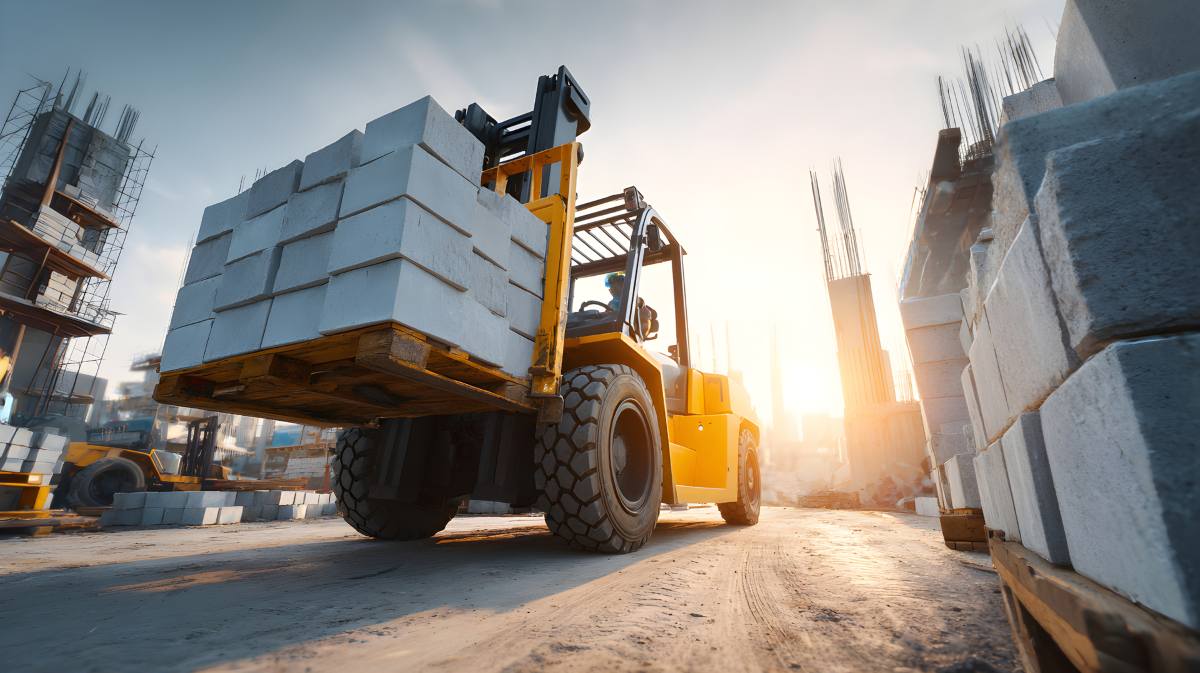
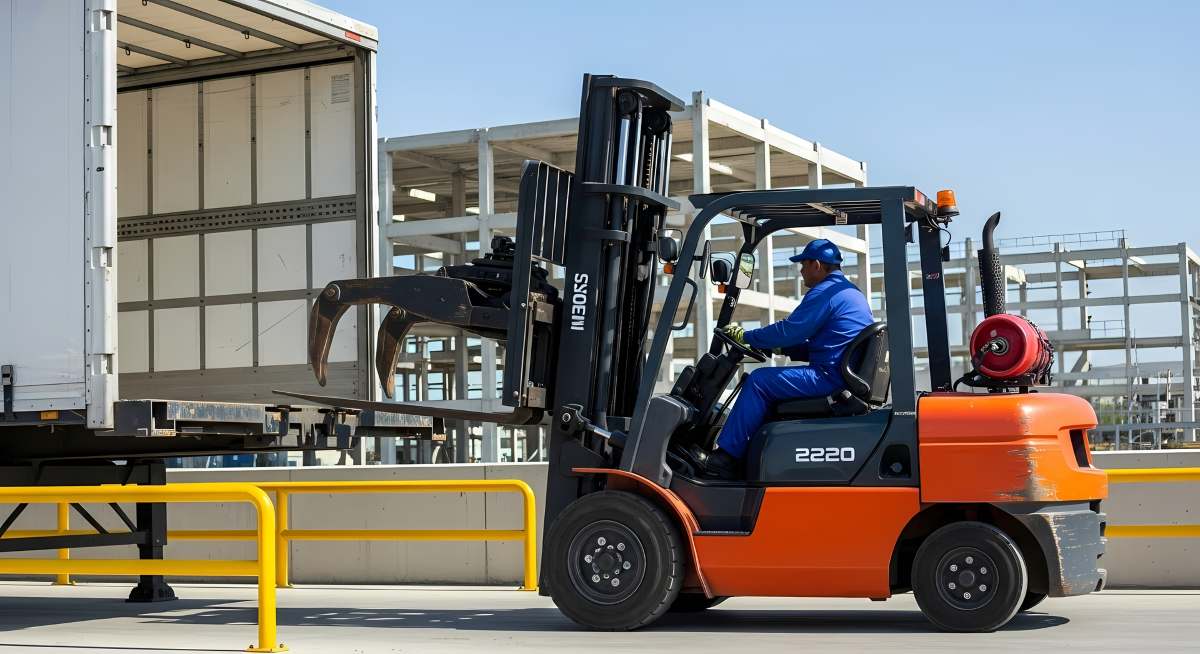
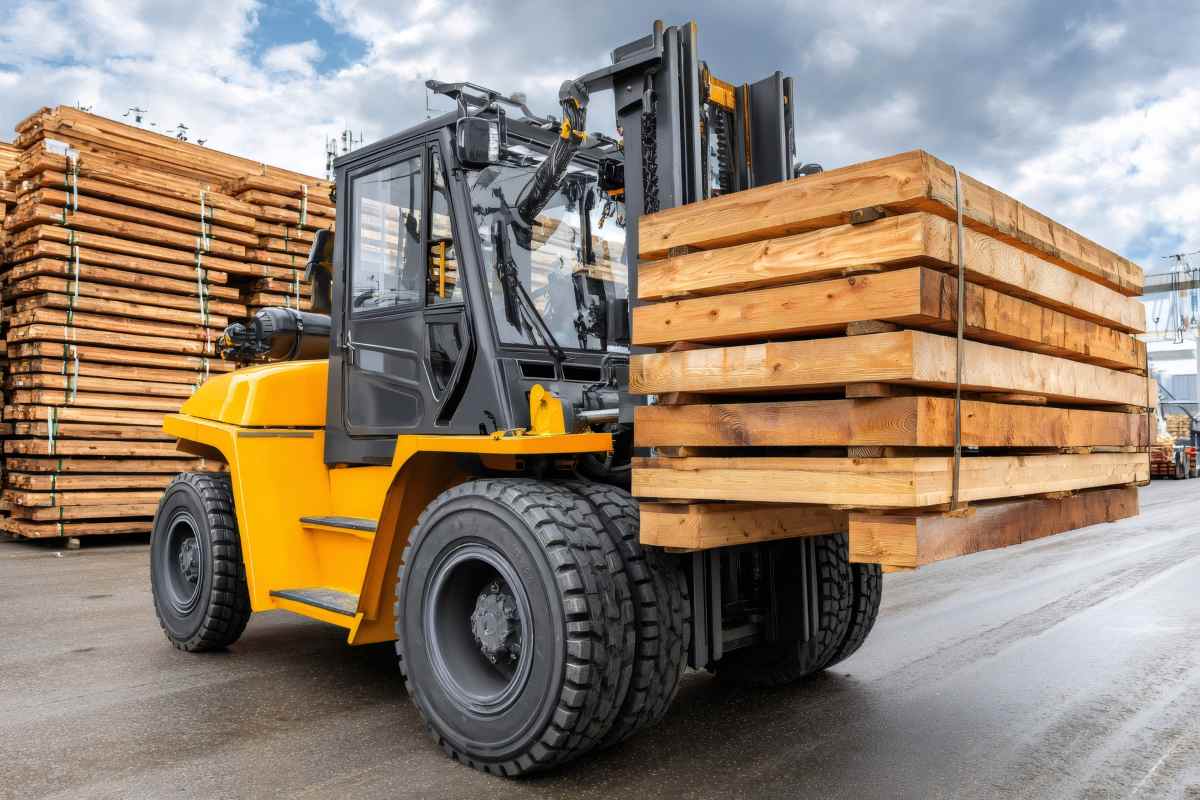
Forklifts vary dramatically in size and weight, depending on their category. A small electric pallet truck may weigh just under 1,500 kilograms, whereas a heavy-duty diesel counterbalance model can exceed 7,000 kilograms. Warehouse favourites such as three-wheel electrics typically weigh between 1,800 and 2,500 kilograms, while standard counterbalance trucks usually sit between 3,000 and 5,000 kilograms. Specialist machines, including rough-terrain forklifts, can weigh even more. It is not unusual for big industrial forklifts to weigh over 15,000 kilograms when designed for ports or construction environments.
The primary reason forklifts are so heavy lies in their counterbalance design. Unlike cranes or hoists that rely on external stabilisers, forklifts use their own body weight to offset the load on the forks. Manufacturers add dense counterweights, often cast from solid steel, at the rear of the machine. This mass allows the forklift to safely carry loads at the rated capacity. However, it also means that forklifts can be deceptively heavy even when they look compact. A truck that appears smaller than a car may weigh twice as much because of its solid frame and counterweight system.
Workplaces must account for forklift weight when designing or upgrading flooring. Concrete warehouse floors are generally constructed with forklifts in mind, but older buildings or mezzanine levels may not be suitable for heavier trucks. Ignoring these factors can result in cracks, structural damage, or unsafe working conditions. Similarly, lift platforms, loading bays, and transport trailers all have weight restrictions that must be respected. Failing to do so can compromise not only equipment but also the safety of workers and goods.
When moving a forklift between sites, weight becomes a logistical challenge. Hauliers need accurate weight information to select the right trailer, secure the truck correctly, and comply with road safety laws. Overloaded transport vehicles are not only illegal but also dangerous, increasing the risk of accidents on public roads. Businesses planning regular transfers should keep an updated record of their forklifts’ weights and dimensions to streamline the process. Planning ahead avoids last-minute surprises and ensures compliance with regulations.
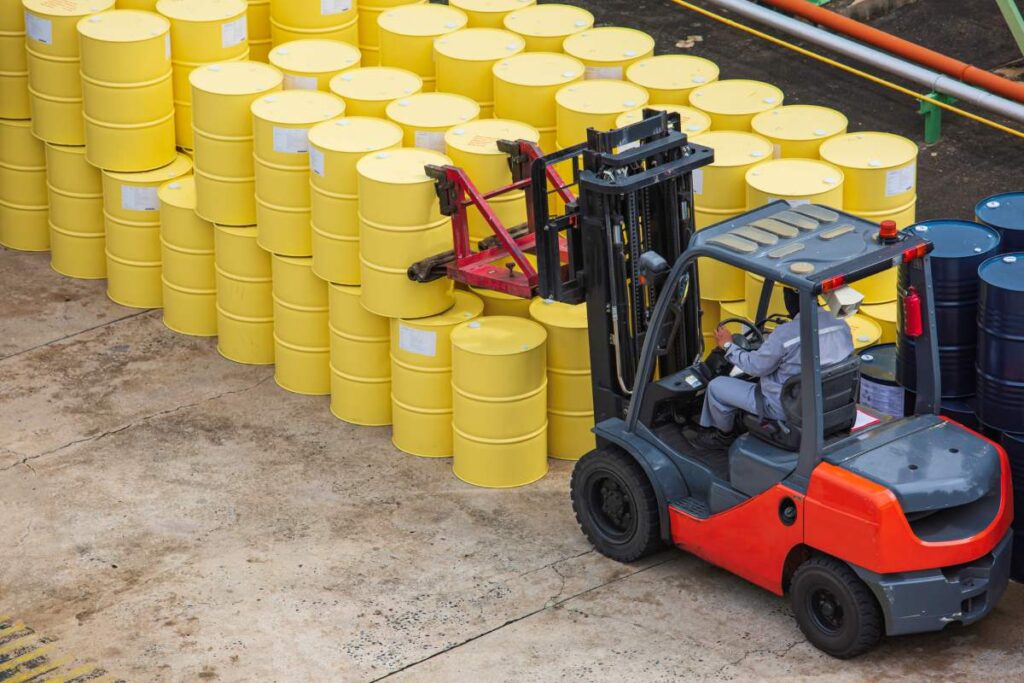
One of the most common misconceptions is assuming that a heavier forklift automatically means a higher lifting capacity. While weight is a factor, it is the distribution of mass and the design of the counterbalance system that determine safe limits. A medium-sized electric forklift may weigh more than a similar diesel model but still carry a lower rated load because of battery placement and frame design. This is why checking the capacity plate on each truck is essential. Relying on assumptions instead of verified data is a fast track to unsafe operations.
To put these numbers into perspective, consider a standard 2.5-tonne counterbalance forklift, one of the most widely used in UK warehouses. While it can lift 2,500 kilograms, the truck itself may weigh close to 4,000 kilograms. A rough-terrain forklift, designed for construction sites, may lift 3,500 kilograms but weigh over 6,000 kilograms. On the extreme end, port handling forklifts can lift over 20 tonnes and weigh upwards of 25,000 kilograms. These figures demonstrate just how much variation exists across different categories.
Forklift weight plays a direct role in operational decisions. For example, businesses working in multi-level warehouses or confined spaces may require lighter, compact trucks to avoid structural strain. Meanwhile, outdoor sites handling oversized pallets or containers will need heavy-duty models capable of managing tough terrain. Managers who understand forklift weight can make smarter investments and reduce risks. It also helps when planning insurance policies, since insurers often request detailed specifications, including the machine’s weight.
So, how much does a forklift weigh? The answer varies from under 1,500 kilograms for small electric models to over 25,000 kilograms for the biggest industrial machines. Weight is not just a technical detail; it influences safety, infrastructure, transport, and overall suitability for different tasks. By recognising the importance of forklift weight, businesses can prevent damage, improve safety, and make better purchasing or hire decisions. At Acclaim Handling, we provide expert advice and equipment tailored to your site requirements, whether you want to learn what big forklift trucks are used for or simply need to view short-term machine hire options. Knowing the weight of your equipment is a foundation for safe and efficient operations.

We prioritize accuracy and integrity in our content. Here's how we maintain high standards:
Our content is carefully reviewed by experienced professionals to ensure accuracy and relevance.
Look for the expert-reviewed label to read content you can trust.

 01708 861 414
