Choosing the right forklift capacity is probably more important than choosing the truck itself! It’s like walking into a phone store as a photographer, hoping to buy one that can keep up with your 1000’s of images a week, but then walking out with one that holds 64GB of storage! It might LOOK the part, but when it comes to handling your workload, you might quickly realise it’s just not enough.
Selecting a truck that is too small can lead to instability and damage, while choosing one that’s too large is going to be costly and harder to move around when it doesn’t need to be.
In this guide, we will explain what forklift capacity actually means, the factors that affect it, and how to choose the best option for your workplace.
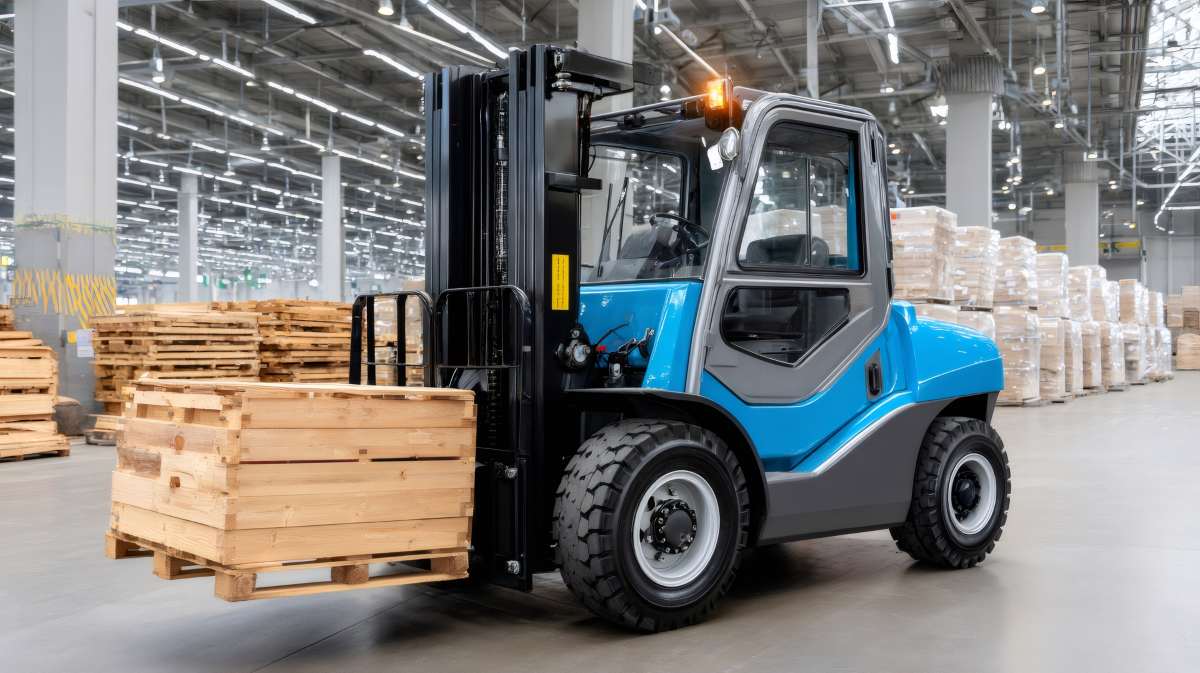
When you hear the term ‘forklift capacity’, that is referring to the maximum weight which a forklift can safely lift and transport at a specific load centre. Typically, it is measured in kilograms or tonnes – for example, a 2500kg capacity forklift can safely lift up to 2.5 tonnes when the load is balanced correctly.
However, the rated capacity is always based on ideal conditions, so if there are any changes to how the load is handled, like the shape, size, or whereabouts it is placed on the forks, this can affect the actual capabilities of the lifting.
When you are selecting the right forklift for your operations, you should consider the following factors which will usually have an influence on the capacity.
The very first step is to understand the maximum load weight you will be handling. You will also need to consider load dimensions, because a longer or taller load shifts the centre of gravity forward, which in turn reduces the safe lifting capacity.
The load centre is the distance from the vertical face of the forks to the load’s centre of gravity. Typically, standard forklifts are rated at a 500mm load centre. If your load extends beyond that, for example, with a long pallet or a large piece of machinery, the effective capacity will decrease.
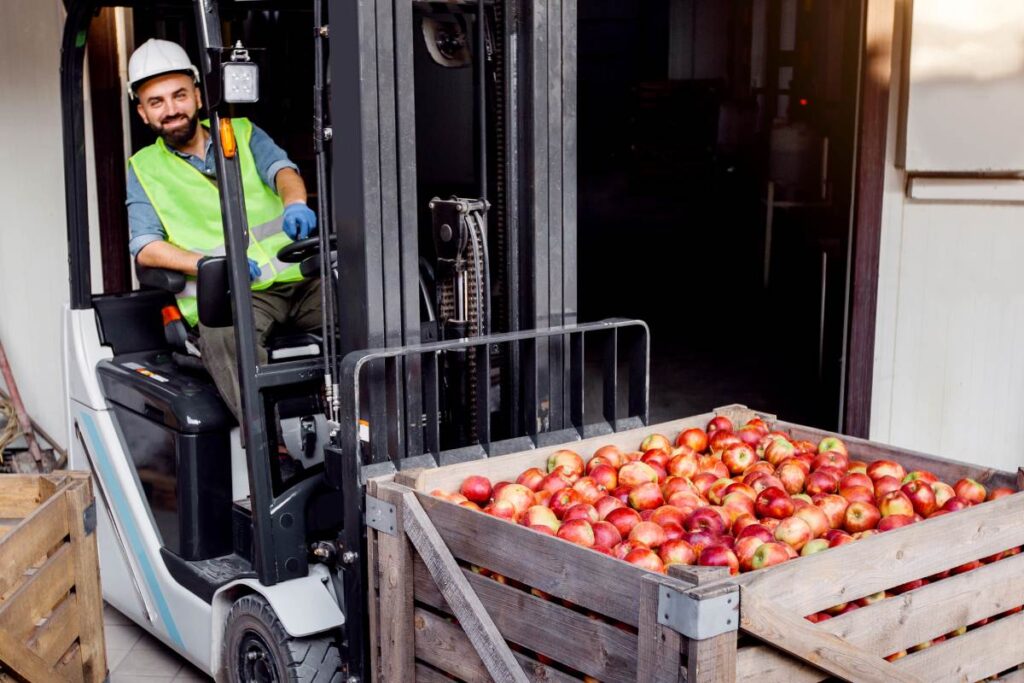
The higher you lift, the lower the forklift’s capacity becomes, in simple terms. When a mast extends, the centre of gravity changes, so always make sure you are checking the capacity chart on the forklift’s data plate to confirm what weight can be safely lifted at different heights.
Fork attachments such as clamps, rotators, or side shifters can add weight and change the trucks load centre, reducing the overall lifting capacity. You should always account for the weight of the attachment and its impact on the truck’s rated capacity. If you don’t intent on using any attachments, you don’t really need to think about this at the moment, but it is certainly something to consider.
It is actually really important when investing in something like a forklift truck that you think about the potential changes that may occur as your business grows. If you suspect there is a high possibility your loads might increase, it might save you to choose a higher capacity truck so you’re protecting your investment long-term.
If you are frequently handling loads that are close to your forklift’s rated capacity, then you are already too close to the limit. Always choose a forklift with at least 10-20% more capacity than your heaviest load under your real, usual working conditions and environments.
At Acclaim Handling, our experts can assess your loads, environment, and your businesses needs in order to recommend the perfect truck. Whether you’re lifting 1 tonne, or 16 tonnes, we will help you avoid costly mistakes and ensure that your operations stay safe, efficient and productive at all times.
Reach out to a member of our team today to start your forklift buying journey.

We prioritize accuracy and integrity in our content. Here's how we maintain high standards:
Our content is carefully reviewed by experienced professionals to ensure accuracy and relevance.
Look for the expert-reviewed label to read content you can trust.
 01708 861 414
