A well-maintained forklift can run reliably for 10,000+ hours. A neglected one might struggle past 3,000. That’s the difference between years of productive service and constant breakdowns, repairs, and early replacement. We’ve seen businesses squeeze extraordinary life from their equipment through simple habits, while others burn through forklifts like disposable items.
The secret to longevity isn’t complicated maintenance magic – it’s consistency. Small daily actions compound into years of extra service life. Your operators hold the key to equipment longevity through their everyday interactions.
Before that key turns, a two-minute walk-around saves thousands in repairs. Check tyre pressure and condition – underinflated tyres stress transmissions and create instability. Look for damage, leaks, or anything unusual. These visual checks catch problems while they’re cheap to fix.
Starting cold engines gently matters more than most realise. Let oil circulate before demanding full power. Those first few minutes set the tone for component wear throughout the day. Rushed starts create unnecessary stress, shortening engine life significantly.
How operators handle equipment determines lifespan more than any other factor. Smooth acceleration and braking reduce component stress. Gentle control movements preserve hydraulic systems. Think of it like driving – aggressive operators wear out equipment faster, just like aggressive drivers burn through cars.
Load handling particularly impacts longevity. Picking up loads smoothly, avoiding sudden stops with raised loads, and respecting weight limits prevents premature wear. Every shock and jolt translates into stressed components and shortened service life.
Supporting your business through proper maintenance transforms forklift lifespan. The difference between reactive and preventive maintenance often doubles equipment life while reducing overall costs.
Manufacturer service intervals exist for good reasons – they’ve tested what components need attention when. Oil changes, filter replacements, and systematic inspections prevent small issues becoming major failures. Delaying service saves pennies while risking pounds.
Keep detailed service records. Patterns emerge showing which components wear faster in your specific operation. This knowledge helps predict problems and adjust maintenance schedules accordingly. Documentation also maintains resale value – buyers pay more for provably well-maintained equipment.
Cheap filters save money until they fail, contaminating expensive systems. Generic hydraulic fluid works until it breaks down, damaging pumps and valves. Using quality parts and fluids costs slightly more initially but dramatically extends component life.
Think long-term value, not short-term savings. Premium engine oil maintains viscosity longer, protecting moving parts better. Quality filters trap more contaminants while maintaining flow. These differences compound over thousands of operating hours.
Where and how you operate forklifts impacts lifespan significantly. Understanding your environment helps protect equipment from premature wear.
Indoor forklifts generally last longer – protected from weather, operating on smooth surfaces, avoiding temperature extremes. But indoor environments bring their own challenges. Dust from certain operations clogs filters faster. Food facilities require frequent washing, potentially causing corrosion without proper care.
Outdoor operations demand extra attention. Weather exposure, uneven surfaces, and temperature swings stress components harder. Regular washing removes corrosive materials like road salt. Additional lubrication combats moisture. Shelter equipment when possible – even simple covers help.
Cold storage operations need special consideration. Lubricants thicken in extreme cold, increasing wear during startup. Batteries lose capacity. Hydraulic systems respond sluggishly. Using cold-weather-rated fluids and allowing proper warm-up extends equipment life dramatically in these conditions.
Hot environments create different challenges. Cooling systems work harder, fluids break down faster, and operators fatigue quicker (leading to rougher handling). More frequent fluid changes and cooling system maintenance become essential.
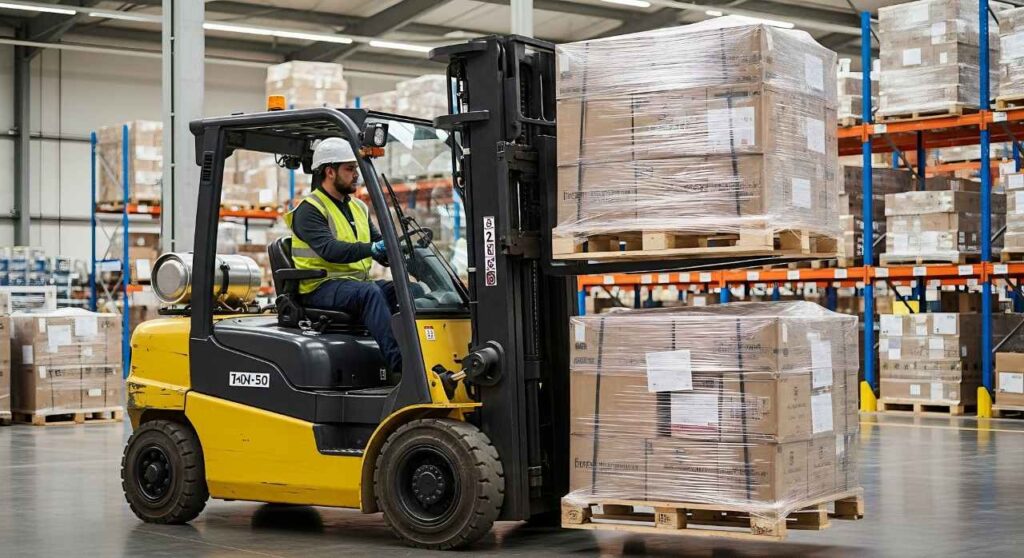
How you organise work impacts equipment longevity. Simple changes in operational approach add years to forklift life while improving productivity.
Using forklifts within their comfort zone extends life dramatically. Running 3-tonne capacity forklifts at maximum constantly stresses every component. Better to use 4-tonne units at 75% capacity. The initial cost difference pays back through extended service life and reduced repairs.
Consider hiring forklifts for seasonal work rather than overworking owned equipment during peak periods. This prevents excessive wear during busy times while avoiding idle equipment during quiet periods.
Well-trained operators reduce forklift damage during operations significantly. They understand how their actions impact equipment longevity. Training should cover more than just safety – it should include mechanical sympathy, daily inspections, and proper reporting procedures.
Rotate operators when possible. Each operator handles equipment slightly differently, and rotation prevents repetitive wear patterns. It also cross-trains staff, providing operational flexibility.
Different forklift systems need different attention for maximum lifespan. Understanding these needs helps prioritise maintenance efforts.
Electric forklift batteries represent major investments deserving proper care. Charging correctly extends battery life dramatically – avoid opportunity charging when possible, maintain proper water levels, and keep batteries clean. Temperature matters too – extreme heat or cold shortens battery life.
Follow the 80/20 forklift rule: recharge when batteries reach 20% capacity, stop charging at 80% for daily use. Full charges weekly equalise cells. This approach can double battery lifespan compared to improper charging habits.
Hydraulic systems power lifting and tilting – keeping them healthy extends forklift life significantly. Clean fluid is crucial. Change filters religiously, fix leaks immediately, and keep systems sealed from contamination. A microscopic particle can destroy expensive pumps.
Monitor fluid temperature too. Overheated hydraulic fluid breaks down, losing lubrication properties. If forklifts work hard continuously, consider additional cooling capacity.
Tyres impact more than just ride quality. Incorrect pressure stresses transmissions and affects stability. Mismatched tyres create handling problems and uneven wear. Regular rotation extends tyre life while maintaining consistent performance.
Choose appropriate tyres for your application. Cushion tyres work indoors but wear quickly outside. Pneumatic tyres handle rough surfaces but require pressure monitoring. The right choice prevents premature replacement and associated downtime.
Trusted material handling solutions involve everyone in equipment care. When operators, managers, and technicians share longevity goals, results improve dramatically.
Establish clear reporting procedures for problems. Operators noticing issues need easy ways to report without fear of blame. Small problems reported early stay small. Hidden problems grow expensive.
Regular team meetings discussing equipment care reinforce importance. Share success stories – how catching a small leak saved major repairs, or how gentle operation extended component life. Recognition for good equipment care encourages continued diligence.
Track equipment life and maintenance costs carefully. Which forklifts last longest? Why? What patterns emerge? This analysis guides future purchases and maintenance decisions.
Expert advice suggests regular equipment audits. Professional assessments identify improvement opportunities you might miss. They spot developing problems and suggest operational changes extending equipment life.
Success built on service means thinking long-term. Extending forklift lifespan reduces capital requirements, improves reliability, and enhances safety – and every extra year of service life represents thousands in saved replacement costs.
Well-maintained forklifts also work better throughout their life. They break down less, operate more efficiently, and maintain better resale value. Operators prefer working with reliable equipment, improving morale and productivity.
Supporting your business requires balancing immediate needs with long-term value. The habits and investments extending forklift lifespan pay dividends for years. When everyone understands their role in equipment longevity, your forklifts deliver reliable service far beyond typical expectations.

We prioritize accuracy and integrity in our content. Here's how we maintain high standards:
Our content is carefully reviewed by experienced professionals to ensure accuracy and relevance.
Look for the expert-reviewed label to read content you can trust.
 01708 861 414
