Forklifts are indispensable across warehouses, factories, and distribution centres, but they remain among the most hazardous pieces of workplace equipment. The combination of weight, speed, and tight operating environments means that even a small error can result in serious harm. Understanding the most common types of forklift accidents is the first step. Preventing them requires consistent training, safe practices, and a commitment to regular equipment checks.
Perhaps the most notorious forklift accident involves the vehicle tipping over. This happens when a load is too heavy, positioned incorrectly, or handled on uneven ground. It can also occur if the operator drives too quickly around corners or attempts to turn while carrying a raised load. Tip-overs are not only dangerous for operators but also for anyone standing close to the machine. The best prevention strategy is simple but requires discipline: never exceed the stated capacity, always keep loads low when moving, and reduce speed when turning. Clear site design, with level flooring and properly marked routes, helps remove some of the environmental risks.
Another frequent accident type involves forklifts colliding with workers on foot. Even at modest speeds, forklifts carry enough mass to cause severe injuries. Pedestrians are often unaware of how quickly a machine can approach, particularly when their visibility is blocked by racking or boxes. Operators may also assume that colleagues will move, which is a dangerous and often false assumption. Segregating pedestrian and forklift zones, painting floor markings, and installing barriers are vital steps. Operators should also make use of horns, mirrors, reversing alarms, and flashing lights to alert others. The human factor remains crucial: ongoing awareness and reminders matter more than technology alone.
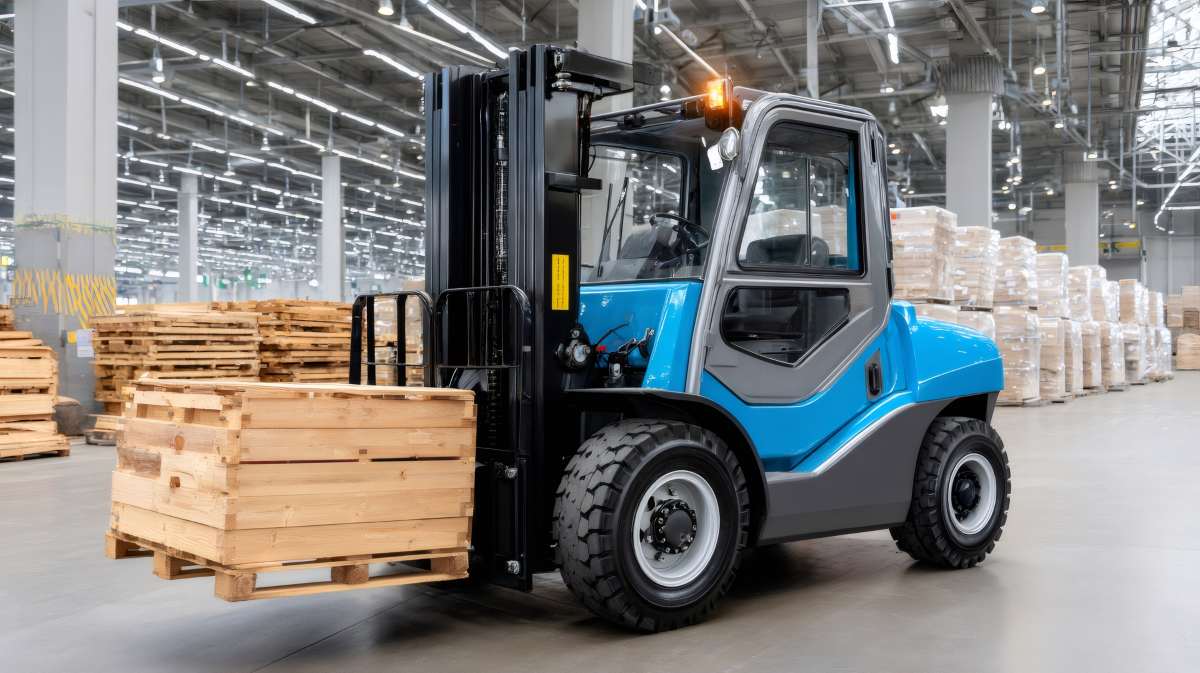
Unstable or improperly stacked pallets can shift during transit, dropping heavy goods without warning. Loads that extend beyond the fork arms, exceed the rated capacity, or are stacked above recommended heights pose a significant risk. Sometimes, operators tilt the mast incorrectly, creating instability that only becomes obvious when the truck begins to move. Regular training sessions emphasising correct stacking methods, coupled with load checks before travel, reduce the likelihood of this type of accident. Supervisors should also ensure that staff are aware of the dangers of standing or walking beneath raised forks. Simple rules, consistently enforced, make a huge difference here.
Speeding may feel like a way to increase productivity, yet it’s one of the primary causes of preventable accidents. Quick turns, racing through narrow aisles, or reversing without checking mirrors are behaviours that escalate risks sharply. Reckless driving can also stem from unrealistic productivity targets, where operators may feel pressured to cut corners. Management should send a clear message that safety takes precedence over speed. Speed limits, strict enforcement of site rules, and refresher courses reinforce this culture. For operators, learning how to handle a truck at controlled speeds is just as important as knowing how to lift a load.
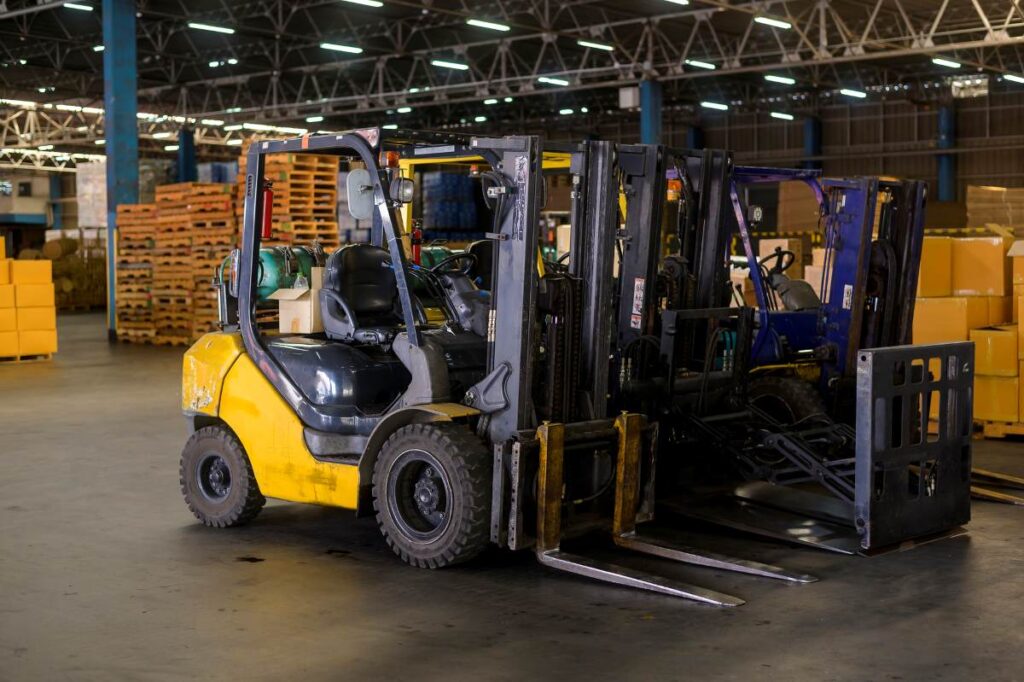
A forklift with worn brakes, faulty steering, leaking hydraulics, or damaged tyres is an accident waiting to happen. Unfortunately, many businesses neglect daily checks and postpone servicing until breakdowns occur. These shortcuts might save money in the short term, but they create hidden risks that often emerge at the worst possible moment. Prevention requires a combination of daily pre-use inspections and scheduled professional servicing. Operators should be trained to spot small issues early and report them immediately. By treating maintenance as a safety necessity rather than an optional extra, companies can extend the lifespan of their equipment and keep operators safe.
Blind spots, bulky loads, and inadequate lighting frequently contribute to accidents. A driver carrying a tall pallet has almost no view of what’s directly ahead, which is why pedestrian collisions remain common in poorly designed sites. Even small adjustments – like mirrors at blind corners or LED lighting in dark aisles – can prevent major incidents. Businesses should also consider adding cameras or spotters when loads completely block an operator’s line of sight. For operators, maintaining a steady pace and sounding the horn regularly can offset some visibility problems. Safety in this area depends heavily on site-specific risk assessments and continuous adjustment of procedures.
Finally, one of the underlying causes of many forklift accidents is inadequate training. Some operators learn on the job without proper certification, while others were trained years ago and haven’t been updated on new practices. Forklift operation isn’t a skill that can be learned once and then left unrefreshed; it requires ongoing reinforcement. The importance of forklift refresher training cannot be overstated. Refresher courses correct bad habits, bring staff up to date with the latest regulations, and remind operators of the basics that keep them safe. Companies that invest consistently in training see lower accident rates and higher productivity.
Forklift accidents aren’t inevitable. They occur when training lapses, when machinery isn’t maintained, or when unsafe practices go unchallenged. Addressing each of these areas requires effort, but the results justify the investment. A culture of safety not only prevents injuries but also reduces downtime, lowers repair costs, and improves overall efficiency. By taking these risks seriously and putting prevention first, businesses can protect their workers and their bottom line.
At Acclaim Handling, we don’t just provide trusted solutions for heavy loads; we also support companies with training, maintenance, and safety advice to reduce risks. Forklifts may be essential, but with the right approach, they don’t have to be dangerous. Preventing accidents is possible – and it starts with recognising the patterns and acting before they cause harm.

We prioritize accuracy and integrity in our content. Here's how we maintain high standards:
Our content is carefully reviewed by experienced professionals to ensure accuracy and relevance.
Look for the expert-reviewed label to read content you can trust.

 01708 861 414
