Transporting a forklift isn’t exactly like moving your average bit of machinery. These things are heavy, awkwardly shaped, and-let’s be honest-potentially expensive to repair if something goes wrong. So, how do you move one safely without damaging the forklift, the vehicle it’s loaded on, or, more importantly, anyone involved? We’ll walk you through what to check, how to prepare, and what to absolutely never overlook.
Before we even start thinking about ramps and ratchet straps, it’s worth understanding what’s at stake. Forklifts can weigh anywhere from a few thousand kilograms to several tonnes, depending on the model and the type of counterweight it uses. (Electric forklifts, for example, can be deceptively heavy because of their batteries.)
This is why considering forklift weight for transport safety is so important. Not only does the weight affect how the forklift should be secured, but it also determines what sort of vehicle and equipment you’ll need to handle it. If you’re unsure how much your specific forklift weighs, you’ll want to take a look at our guide: How Much Does a Forklift Weigh? – it breaks things down by type, so you don’t have to rely on guesswork.
We’ve all been tempted to “wing it” when moving something big. But with forklifts, that’s a recipe for trouble. Planning the transport properly is the difference between a smooth operation and a very long day of damage reports.
Start by assessing the route. Are there low bridges, sharp turns, or weight restrictions? Even small details like uneven ground or tight loading bays can cause issues when you’re transporting such a dense, top-heavy machine.
Next, choose the right transport vehicle. Flatbed lorries are generally the go-to for forklifts, as they provide a stable and open platform. But not all flatbeds are created equal. You’ll need one rated for your forklift’s weight (again-worth checking that guide) and equipped with proper tie-down points.
Finally, make sure your driver is trained and licensed for heavy machinery transport. A forklift might seem straightforward, but its centre of gravity can surprise even seasoned operators once it’s on the move.
Think of this stage like getting your forklift ready for a flight-there’s a pre-transport checklist you simply can’t skip.
And yes, clean the forklift. It might sound unnecessary, but dirt and debris can hide cracks or damage that could worsen under transport stress. Plus, if it’s going to a client site, showing up with a clean machine just looks more professional.
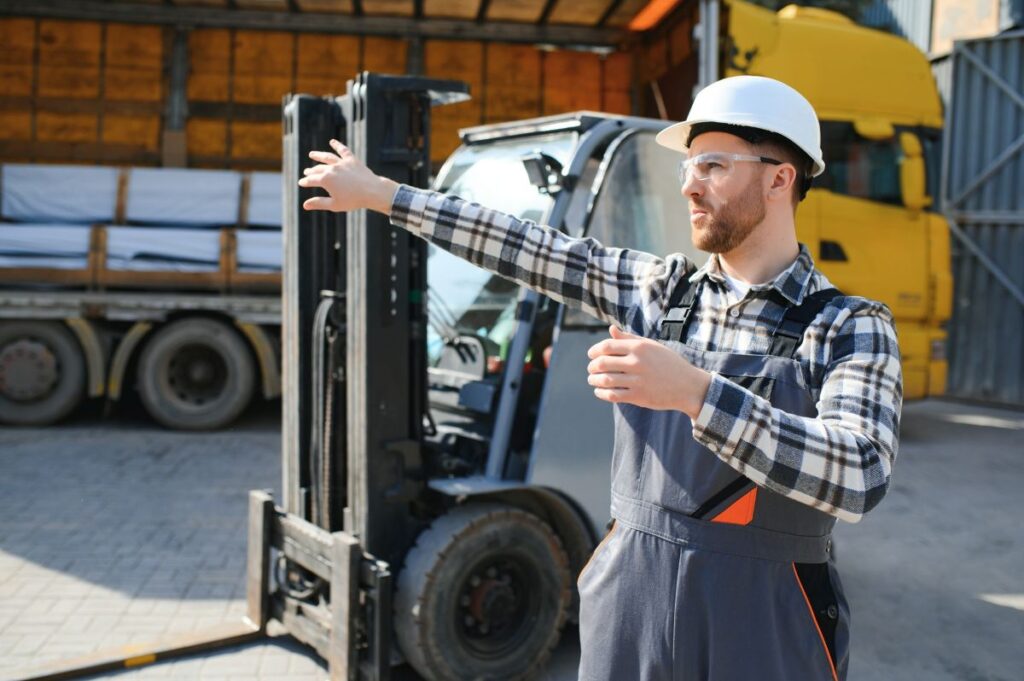
Loading is where things get dicey. Most accidents during transport happen at this stage, and often because of one of two things: improper equipment or impatience.
Use a ramp or loading dock designed for the forklift’s weight and width. If using a ramp, make sure it’s secured and that the gradient isn’t too steep. Anything over 10 degrees can be risky, especially if the forklift’s tyres are wet.
When driving onto the transport vehicle, move slowly and steadily-no jerky movements. And always drive up the ramp in reverse if you’re going onto a higher platform. Why? Because forklifts have most of their weight at the back (where the counterweight is). Going up forwards can make them tip backward, which is the last thing anyone wants to see.
Once positioned, engage the parking brake, place chocks behind the wheels, and double-check stability before tying anything down.
Now for the part that determines whether your forklift arrives in one piece. Securing it correctly means using high-quality chains or heavy-duty straps rated for the forklift’s total weight. Attach them to the designated anchor points (never the mast or forks), crossing them where possible to prevent side movement.
You’re aiming for zero play in the straps-tight, but not so tight that you’re straining the securing points. After all, tension distributes pressure, and overdoing it can damage the forklift’s structure.
If you’re transporting multiple forklifts or additional equipment, keep space between them. They should never be touching or pressing against each other.
Before the driver sets off, do one last walk-around. Check every connection, make sure nothing’s loose, and ensure that warning flags or signs are in place if the load extends beyond the lorry bed.
It sounds obvious, but the driving part matters just as much as the preparation. Forklift transport requires slow, steady driving-especially around corners or on uneven roads. Sudden acceleration or braking can shift the load’s balance, which could cause straps to loosen or the forklift to slide.
And once you arrive? Don’t rush the unloading process. Recheck all straps before removing them, and use a spotter if the visibility around the lorry isn’t perfect. When driving the forklift off, go down the ramp forward, not backward, maintaining control at all times.
A surprising number of incidents happen right at the end of the job because people relax too soon. Treat the unloading with the same care as the loading, and you’ll avoid unnecessary scratches, scrapes, or worse.
Sometimes, moving your own forklift isn’t the most practical option-especially if you’re only using it for a short-term project or a temporary warehouse setup. In those cases, looking into our affordable options for forklift rental here at Acclaim Handling might make more sense.
Our rental services often include delivery and collection, meaning you can skip the transport headache entirely. Plus, you’ll have access to different models depending on your needs-electric, diesel, reach trucks, you name it.
Even with all the planning in the world, a few pitfalls still catch people out:
A little patience and attention to detail go a long way.
Transporting a forklift isn’t glamorous, but it’s essential to get it right. From planning the route to double-checking tie-downs, every stage contributes to safety and efficiency.
If you take away one thing, let it be this: never underestimate how much a forklift weighs and how that affects the transport process. Revisit our post on How Much Does a Forklift Weigh? before you plan your next move-it’ll save you more trouble than you think.
And if you’d rather not deal with the logistics at all? We’d say consider a rental-affordable options for forklift rental can make your life a lot simpler. After all, sometimes the smartest move is letting someone else do the heavy lifting.

We prioritize accuracy and integrity in our content. Here's how we maintain high standards:
Our content is carefully reviewed by experienced professionals to ensure accuracy and relevance.
Look for the expert-reviewed label to read content you can trust.

 01708 861 414
