Mental Health Awareness in the Workplace: Supporting Operators

Mental health is a really important but still overlooked part of workplace safety – especially in the material handling sector and environments. Forklift operators face fast-paced and high-pressure conditions every single day. The tight deadlines, long shifts, repetitive tasks, and the responsibility of operating heavy machinery can all contribute to stress and fatigue and become really overwhelming.

Raising mental health awareness isn’t just about well-being, though it is a very important reason – it can also be about creating a safer, more productive workplace for everyone involved.

Why Mental Health Matters in Materials Handling

1. Safety Depends on Concentration

    Forklift operators must be alert at all times. Stress, anxiety, and tiredness can cause slower reaction times and an increased chance of accidents.

    2. A Supportive Workplace Improves Performance

      Operators who feel valued and understood will be more motivated and engaged.

      3. Poor Mental Health Leads to Absenteeism

        Stress-related absence is one of the highest hidden costs for businesses, and you might not even realise it.

        4. It Helps Build a Positive Workplace Culture

          Teams communicate better, trust grows, and staff retention improves – who doesn’t want that?

          Common Challenges Faced by Forklift Operators

          Operators may encounter:

          Ignoring these pressures can and often will lead to burnout, mistakes, or disengagement.

          How Businesses Can Support Operator Mental Health

          1. Encourage Open Communication

            Employees should feel safe talking about their worries and concerns without judgment. Managers can help by:

            A culture of openness reduces the stigma around mental health, and increases trust between employees and businesses.

            2. Provide Proper Training and Development

              Uncertainty or feeling underqualified is definitely a main cause of stress. Regular training helps operators feel confident and secure in their roles.

              Consider offering:

              When operators feel supported, performance and morale improve.

              3. Review Workloads and Break Patterns

                Fatigue is one of the biggest contributors to poor mental health – and accidents.

                Ensure that:

                Even small adjustments can dramatically improve operator well-being.

                4. Recognise Hard Work

                Employee Excellence With Award

                  A simple thank you goes a long way. Recognition boosts morale and makes staff feel appreciated.

                  Ideas include:

                  5. Provide Access to Mental Health First Aiders

                    Trained Mental Health First Aiders can:

                    This creates a safe environment where employees know someone is always available to listen.

                    6. Reduce Environmental Stressors

                      Small modifications can enhance mental well-being:

                      A better working environment reduces stress and fatigue.

                      How Mental Health Benefits Your Business

                      Prioritising mental health leads to so many benefits for a business. There will be fewer accidents, higher productivity within workers, better teamwork which also leads to a stronger safety culture, and a lower turnover of staff!

                      In a role where focus and judgement are critical, mentally healthy employees are safer, more efficient, and more reliable.

                      Supporting Operators Is Supporting Your Business

                      Mental health deserves the same attention as physical safety. By providing the right support, training, and environment, you create a workplace where operators feel valued – and perform at their best.

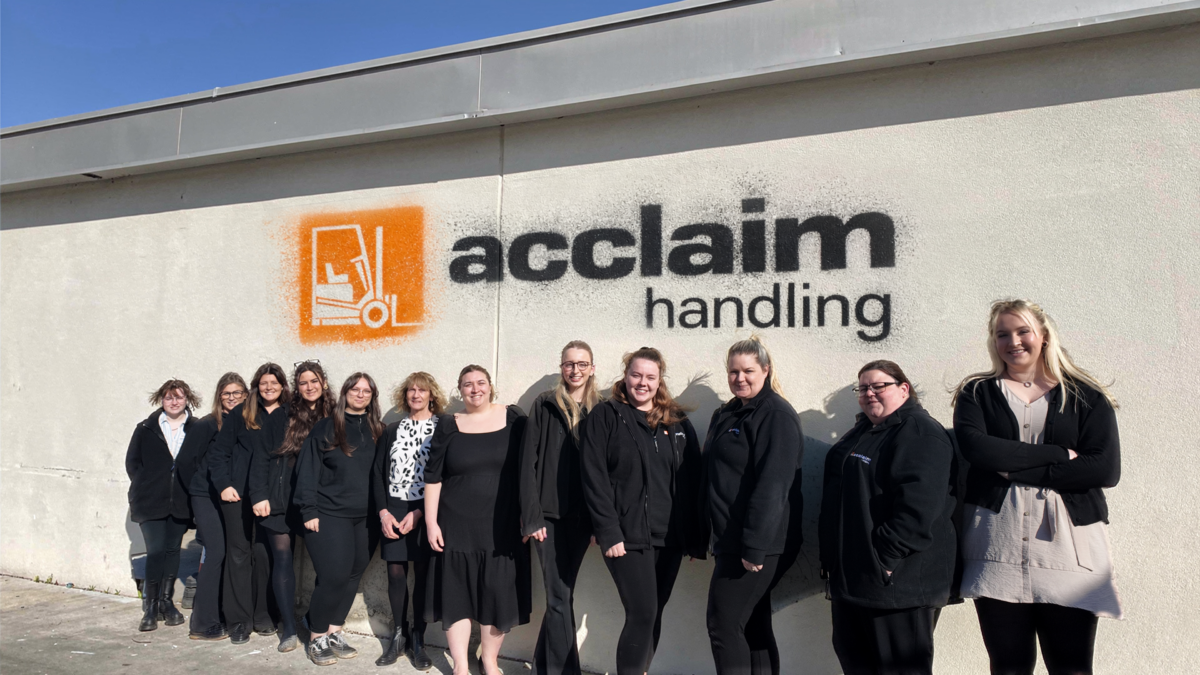
                      Acclaim Handling proudly supports mental health awareness and offers accredited Mental Health First Aider training to help businesses build a safer, healthier workforce.

                      Fact Checked & Editorial Guidelines

                      Our Fact Checking Process

                      We prioritize accuracy and integrity in our content. Here's how we maintain high standards:

                      1. Expert Review: All articles are reviewed by subject matter experts.
                      2. Source Validation: Information is backed by credible, up-to-date sources.
                      3. Transparency: We clearly cite references and disclose potential conflicts.
                      Reviewed by: Subject Matter Experts

                      Our Review Board

                      Our content is carefully reviewed by experienced professionals to ensure accuracy and relevance.

                      • Qualified Experts: Each article is assessed by specialists with field-specific knowledge.
                      • Up-to-date Insights: We incorporate the latest research, trends, and standards.
                      • Commitment to Quality: Reviewers ensure clarity, correctness, and completeness.

                      Look for the expert-reviewed label to read content you can trust.
                      Related Posts

                      Forklift Repair vs Replacement: How to Decide
                      Forklift Repair vs Replacement: How to Decide
                      Warehouse Layout Planning for Forklift Operations
                      Warehouse Layout Planning for Forklift Operations
                      6 Common Mistakes When Hiring Forklifts: How to Avoid Them
                      6 Common Mistakes When Hiring Forklifts: How to Avoid Them
                      Indoor vs Outdoor Forklifts: What's the Difference?
                      Indoor vs Outdoor Forklifts: What's the Difference?
                      7 Signs Your Warehouse Equipment Needs Upgrading
                      7 Signs Your Warehouse Equipment Needs Upgrading
                      New vs Used Forklifts: Which Is Right for Your Business?
                      New vs Used Forklifts: Which Is Right for Your Business?

                      Need help? Speak to one of our experts