01708 861 414

In the fast-paced world of the forklift industry, safety is of utmost importance. With heavy machinery, elevated workspaces, and bustling warehouse environments, it is crucial to establish a strong safety culture that protects workers and ensures smooth operations. In this blog post, we will explore key safety measures and best practices specific to the forklift industry, highlighting the importance of prioritising safety for everyone involved.
How can I prioritise workplace safety?
Comprehensive Training
Begin with a foundation of comprehensive forklift training. Operators must receive proper instruction on operating procedures, equipment inspection, load handling, and hazard identification. This training equips them with the knowledge and skills necessary to operate forklifts safely and confidently.
Routine Inspections and Maintenance
Regular inspections and maintenance are vital to identifying and addressing potential safety risks. Establish a proactive maintenance schedule, checking forklifts for any mechanical issues, faulty brakes, worn tires, or damaged components. Prompt repairs and maintenance ensure optimal performance and minimise the risk of accidents.
Traffic Management
Efficient traffic management is crucial in warehouse environments where forklifts, pedestrians, and other vehicles coexist. Implement clear traffic flow patterns, designated walkways, and proper signage. Establish rules for speed limits, right-of-way, and safe passing distances to reduce the risk of collisions and near-miss incidents.
Load Management
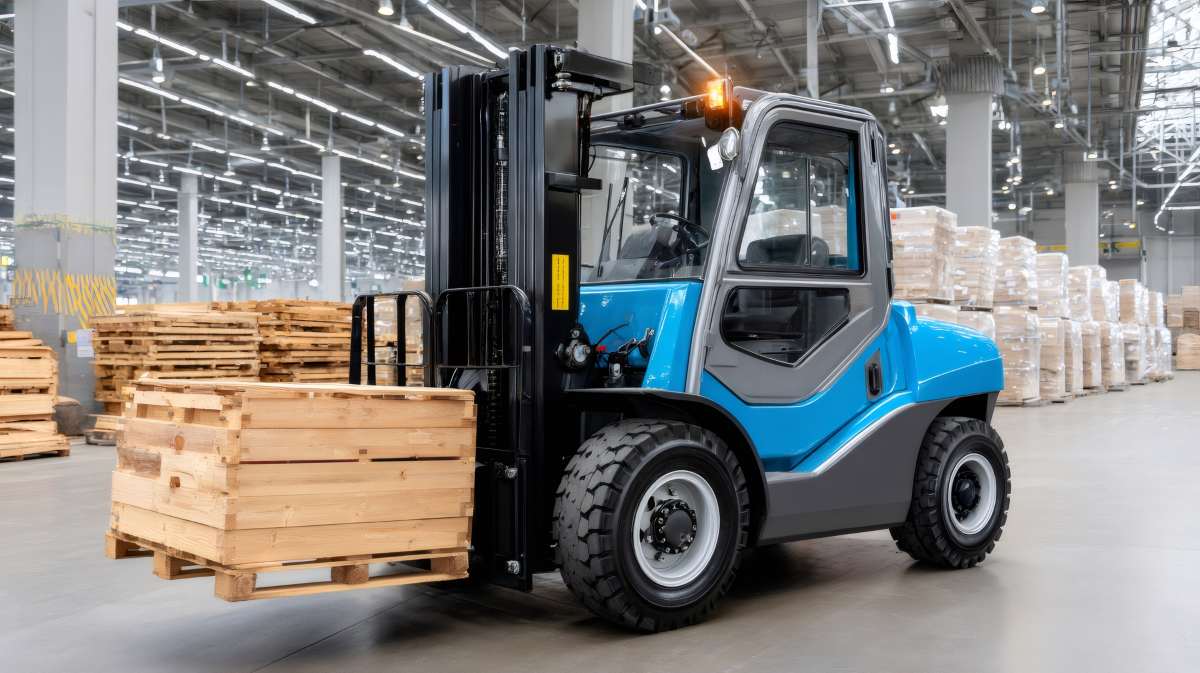
Proper load management is essential to maintaining stability and preventing accidents. Ensure that loads are properly secured and within the forklift’s capacity limits. Operators should be trained to assess load weight, balance, and stacking techniques to avoid tipping or shifting during transport.
Clear Communication on Workplace Safety
Effective communication is key to preventing accidents and fostering a safe workplace. Encourage open lines of communication among forklift operators, pedestrians, and other employees. Utilise clear signals, such as hand signals or horns, to indicate movements or warnings. Implement regular safety meetings to address concerns, reinforce safety protocols, and gather feedback from the team.
Personal Protective Equipment
Mandate the use of personal protective equipment to minimize the risk of injuries. Operators should wear high-visibility clothing, hard hats, safety glasses, and steel-toed boots. Additional protective gear, such as gloves and ear protection, should be provided as necessary.
Continuous Training and Evaluation of Workplace Safety
Safety should be an ongoing priority. Regularly conduct refresher training sessions to reinforce safety practices and address any emerging concerns. Encourage operators to report near-miss incidents or potential hazards, fostering a culture of continuous improvement and proactive risk mitigation.
In conclusion, safety in the forklift industry is paramount for the well-being of employees and the smooth operation of warehouses and industrial facilities. By prioritising comprehensive training, routine inspections, traffic management, load management, clear communication, PPE, and ongoing evaluation, we can create a workplace where everyone feels safe, empowered, and confident. Let’s work together to build a culture of safety and ensure a thriving and accident-free forklift industry.