01708 861 414

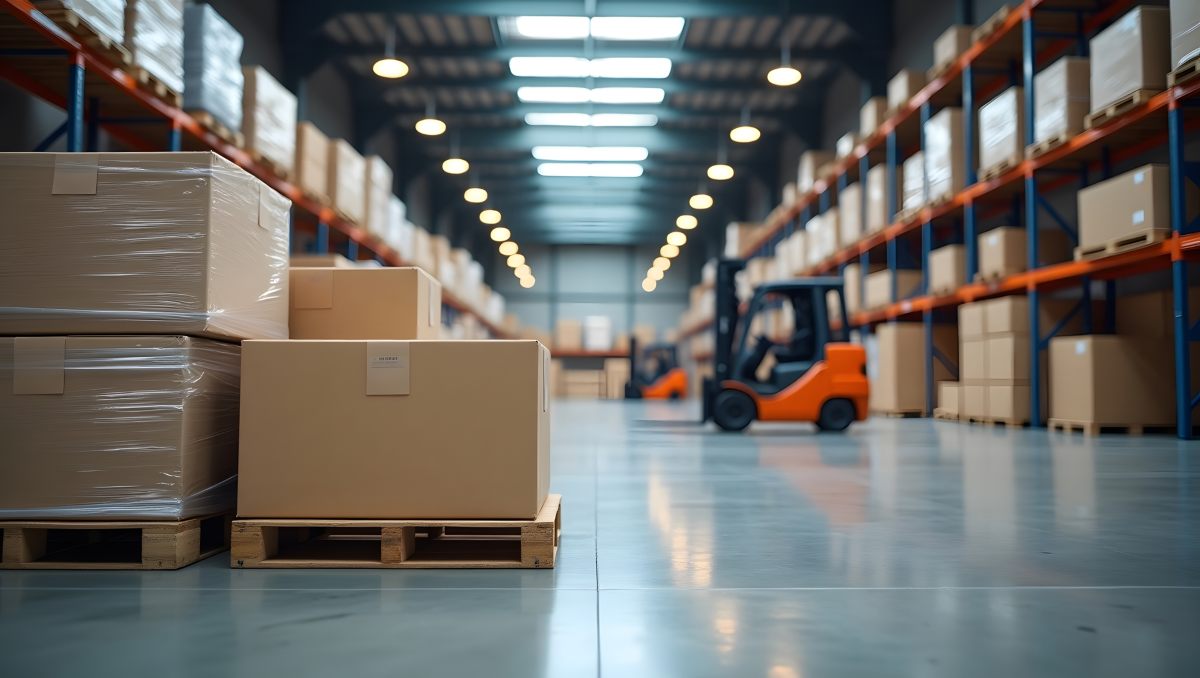
Saving energy in a warehouse can be challenging due to the nature of the operations, which often involve heavy machinery and constant movement. However, there are many ways to reduce energy consumption and save money on utility bills. In this guide, we will explore various strategies for saving energy in the warehouse with a focus on warehouse equipment.
Conduct an Energy Audit
Before implementing any energy-saving measures, it’s important to conduct an energy audit to identify areas where energy is being wasted. This can involve reviewing utility bills, inspecting equipment for energy inefficiencies, and analysing processes to identify potential energy savings.
Upgrade to Energy-Efficient Warehouse Equipment
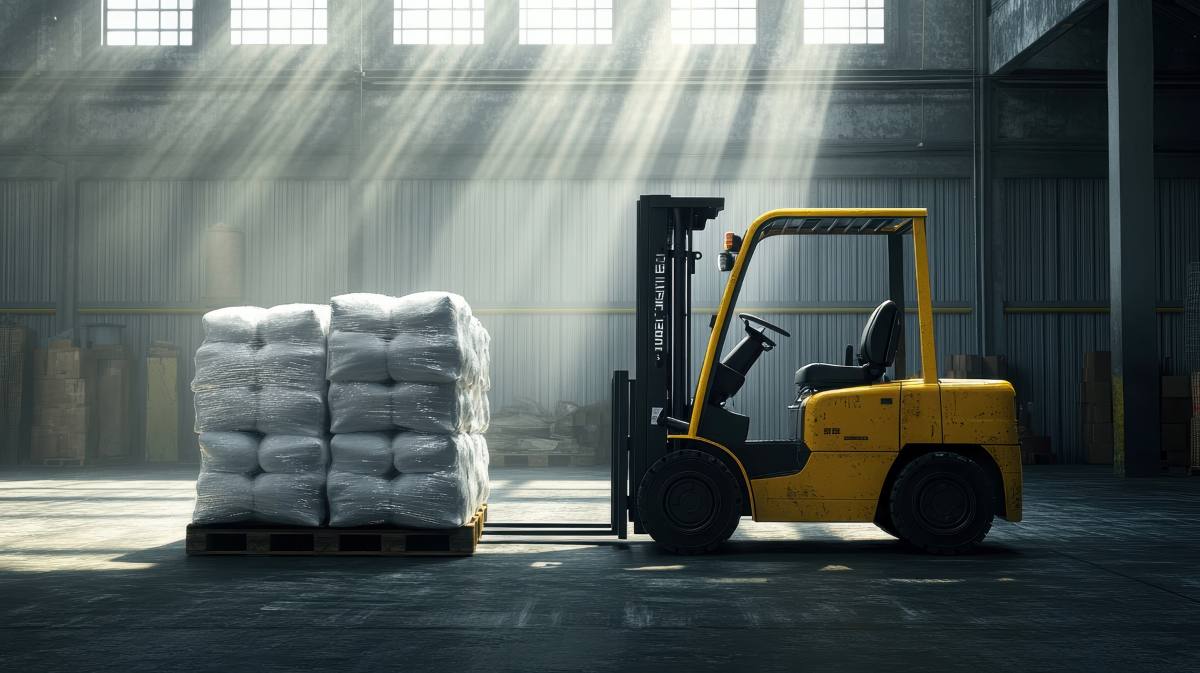
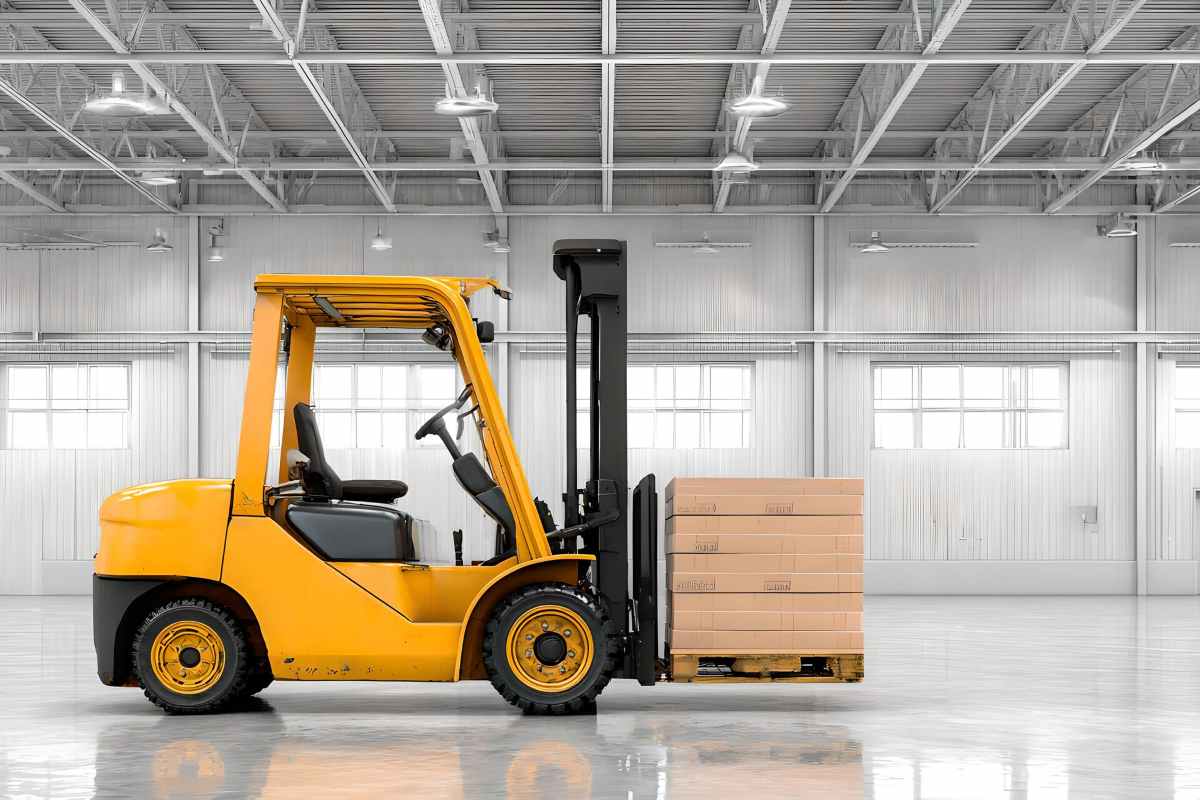
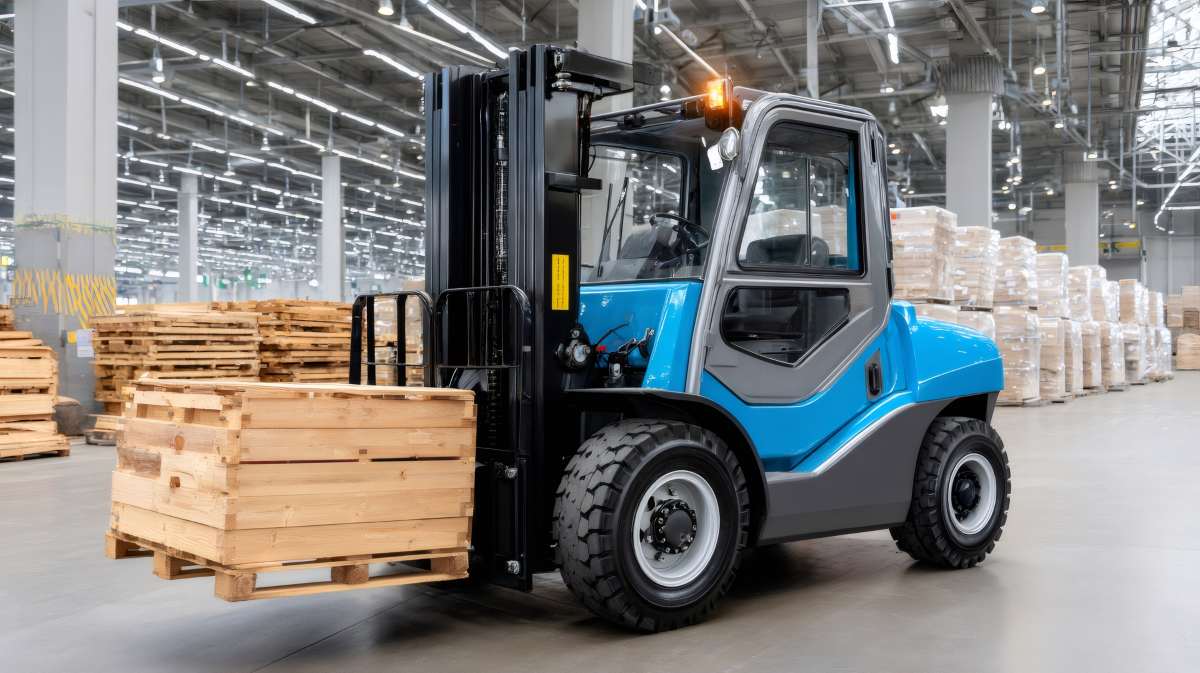
One of the most effective ways to save energy in the warehouse is to upgrade to energy-efficient warehouse equipment. Newer equipment is often designed with energy efficiency in mind, and can use up to 50% less energy than older models. This includes lighting, HVAC systems, and powered warehouse equipment such as forklifts and conveyors.
Optimise equipment use within the warehouse
Another way to save energy is to optimise the use of warehouse equipment. This involves scheduling equipment use to minimize idle time and reduce energy waste. For example, scheduling forklift deliveries during off-peak hours can help reduce energy consumption and save money.
Implement energy management systems in the warehouse
Energy management systems can help monitor energy consumption and identify areas for improvement. These systems can include energy monitoring software, smart sensors, and control systems that regulate temperature and lighting. By using data to optimise energy consumption, warehouse operators can save money and reduce their carbon footprint.
Train Employees on Energy Efficiency
Employee training is essential for promoting energy efficiency in the warehouse. This includes educating employees on best practices for operating equipment, such as turning off equipment when not in use, and proper maintenance procedures to ensure equipment is running at peak efficiency.
In conclusion, saving energy in the warehouse is essential for reducing costs and promoting sustainability. By conducting an energy audit, upgrading to energy-efficient equipment, optimising equipment use, implementing energy management systems, and training employees on energy efficiency, warehouse operators can significantly reduce their energy consumption and save money. By implementing these strategies, warehouses can become more environmentally friendly, reduce their carbon footprint, and contribute to a greener future.