Running a warehouse can sometimes feel like conducting an orchestra – except instead of violins and clarinets, you’ve got forklifts, pallets, and the occasional rogue shrink-wrap roll. Everything needs to move in harmony, efficiently and safely. And that’s where a warehouse risk assessment comes in – it’s the quiet conductor behind the scenes making sure no one misses a beat (or a safety regulation).
Below, we’ll walk through how to carry out a proper risk assessment for your warehouse – not the tick-box, “let’s get this over with” kind, but a genuinely useful, living document that keeps your people safe and your operations running smoothly.
At its core, a warehouse risk assessment is a structured look at what could go wrong in your workplace – from slips on wet floors to collisions between forklifts and pedestrians – and what you can do to prevent those risks. It’s about spotting hazards, evaluating how serious they are, and putting control measures in place.
We sometimes think of it as common sense written down, but there’s more to it than that. The process makes sure everyone’s on the same page, ensures compliance with UK health and safety regulations, and helps create a culture where safety is part of the daily rhythm rather than an afterthought.
Let’s be honest: risk assessments can seem… well, tedious. But they’re not just a legal requirement under the Management of Health and Safety at Work Regulations 1999 – they’re a blueprint for preventing expensive, dangerous, or downright embarrassing accidents.
A single incident involving a pallet falling from height or a forklift reversing into a storage rack can disrupt operations for days (and that’s before the paperwork and insurance calls start). On the flip side, warehouses with regular and thoughtful assessments tend to run more smoothly, experience fewer staff absences, and maintain a better reputation among clients and employees alike.
Plus, it’s a lot easier to prevent issues than to explain later why you didn’t.
Start by walking the floor – literally. You can’t assess risks from an office chair. Look around at the obvious culprits: moving vehicles, uneven flooring, electrical panels, shelving stability, manual handling tasks, and so on.
Then, dig deeper. Consider less visible hazards: poor lighting that makes visibility tricky, noise levels that could cause hearing loss over time, or even temperature fluctuations in certain zones. If chemicals or flammable materials are used, note them down and check that Material Safety Data Sheets (MSDS) are available.
It’s worth involving the people who actually do the work. They’ll spot things you won’t – that dodgy corner where the floor dips slightly, or that time the loading bay gets slippery after rain.
Every hazard affects people differently. Warehouse operatives might face lifting risks, drivers might encounter vehicle movement hazards, and visitors could be unaware of safety zones altogether.
Ask yourself: who is exposed, how often, and in what circumstances? For instance, contractors or temporary staff might not know your safety procedures as well as permanent team members, which means they’re more vulnerable.
Even office staff occasionally entering the warehouse should be considered – safety doesn’t stop at the shutter door.
Once you’ve listed the hazards, think about how likely each one is to cause harm and how severe the outcome could be. A useful way is to use a risk matrix – a simple grid rating risks as low, medium, or high based on likelihood and impact.
Then comes the crucial part: what are you going to do about it?
For high-risk hazards, eliminate them if possible. If not, minimise them. That could mean installing guardrails, marking pedestrian walkways, providing better PPE, or conducting refresher training sessions for forklift drivers.
And speaking of forklifts – if vehicle safety is one of your top concerns (it should be), make sure to read our post on preventing forklift accidents in your warehouse. Forklifts are indispensable in logistics, but they can also be one of the biggest sources of danger if not managed properly.

If you employ five or more people, you’re legally required to record your risk assessment. But honestly, even smaller teams benefit from having things written down.
Your record should include:
Avoid generic “copy-and-paste” templates that gather dust. Your document should reflect your warehouse – its layout, equipment, and daily routines.
It’s also worth keeping photographic evidence and dates for when controls were implemented. This level of detail can be a lifesaver if you ever need to demonstrate compliance or investigate an incident.
Warehouses evolve. Racking layouts change, new machinery arrives, staff rotate. Every time a change happens – even something seemingly small – it can alter the risk landscape.
We recommend reviewing your assessment at least once a year, or sooner if there’s a significant incident or operational change. Keep an open feedback loop with your team. Encourage them to flag new hazards early rather than waiting for something to go wrong.
Safety should feel like a shared responsibility, not a managerial dictate.
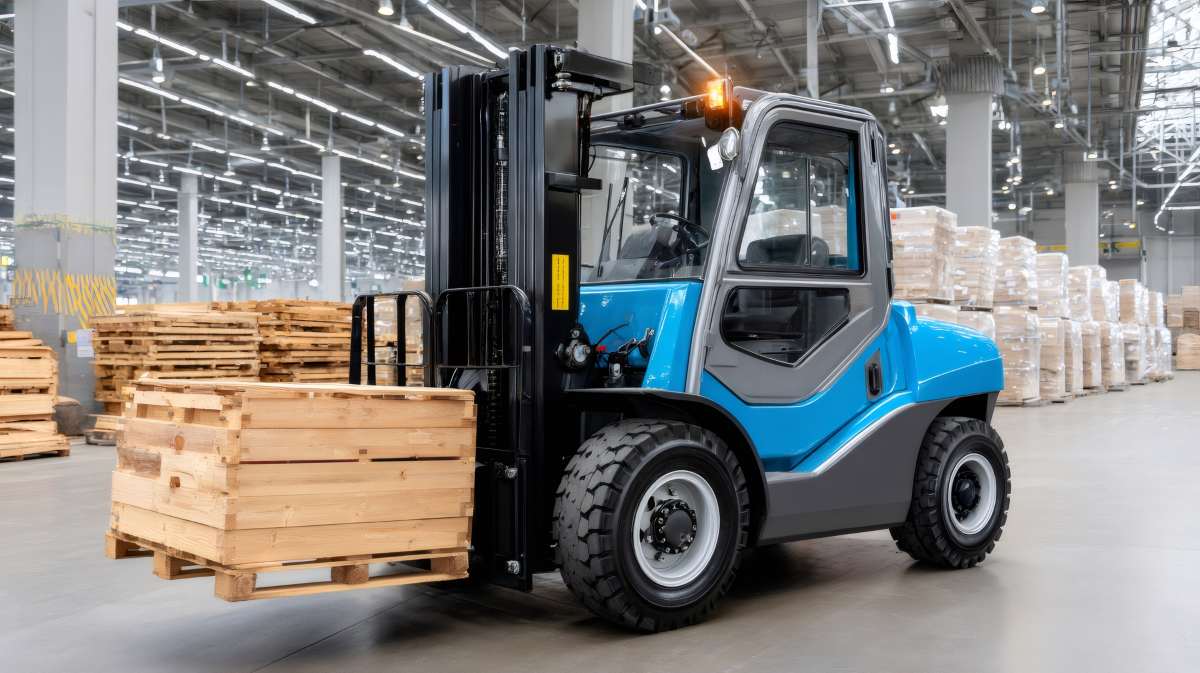
Sometimes, the best way to reduce risk is by upgrading your equipment. Outdated forklifts, for example, are more prone to mechanical failure and less precise to control. Investing in top-quality forklifts for warehouses isn’t just a performance boost – it’s a safety measure in itself.
Modern models come with enhanced visibility, ergonomic controls, and advanced braking systems that make a real difference in preventing collisions or load drops.
It’s one of those areas where spending wisely upfront can save far more later on.
A warehouse risk assessment isn’t about creating fear or filling out endless forms. It’s about awareness. It’s the difference between reacting to accidents and preventing them.
Think of it as continuous housekeeping for safety – keeping the aisles clear, the people trained, and the machinery reliable. When done well, it becomes part of your warehouse’s rhythm, quietly shaping safer habits day after day.
And while no assessment will ever eliminate every risk, the goal is to make the workplace safer tomorrow than it was yesterday. That’s the real measure of success.
So, next time you walk through your warehouse, take a moment to look around – not just at what’s there, but at what could go wrong, and what you can do to stop it. That’s risk assessment in action. Thoughtful, practical, and just a bit unsung – but absolutely essential.

We prioritize accuracy and integrity in our content. Here's how we maintain high standards:
Our content is carefully reviewed by experienced professionals to ensure accuracy and relevance.
Look for the expert-reviewed label to read content you can trust.
 01708 861 414
