Forklifts are essential in warehouses, factories, and construction sites, but they also present real risks. Every year, operators and bystanders suffer injuries because basic safety principles weren’t followed, or equipment wasn’t maintained correctly. Understanding the main causes of forklift accidents isn’t about creating fear; it’s about recognising patterns and changing behaviour to prevent harm.
So, what are the main causes of injuries when using forklifts? The answer usually involves a mixture of human error, environmental hazards, and mechanical issues. Below, we’ll look at the most frequent causes, why they matter, and how businesses can reduce the likelihood of serious incidents.
One of the biggest contributors to forklift accidents is insufficient training. A forklift isn’t just a heavy vehicle; it’s a precision tool designed for moving large, unstable loads. Without proper instruction, operators may misjudge turning radii, underestimate braking distances, or fail to balance loads correctly.
In many cases, businesses rely on informal peer to peer training rather than accredited courses. That shortcut increases risk dramatically. A well-trained operator isn’t only safer but also more efficient, reducing costly damage to goods and infrastructure. Employers should ensure refresher sessions are part of their ongoing forklift safety guidelines, standards and programme to keep skills sharp.
Forklifts often operate in busy, cluttered environments with blind spots and restricted lines of sight. When an operator’s view is blocked by a bulky load or inadequate lighting, accidents become much more likely. Pedestrians can step into the path of a moving vehicle without warning, while operators may strike racking, door frames or other equipment.
The solution here is twofold: design workplaces with clear traffic routes and train staff to adjust their driving to conditions. Spotters, mirrors, and well-lit aisles can reduce risks considerably, though businesses often underestimate the importance of such simple interventions.
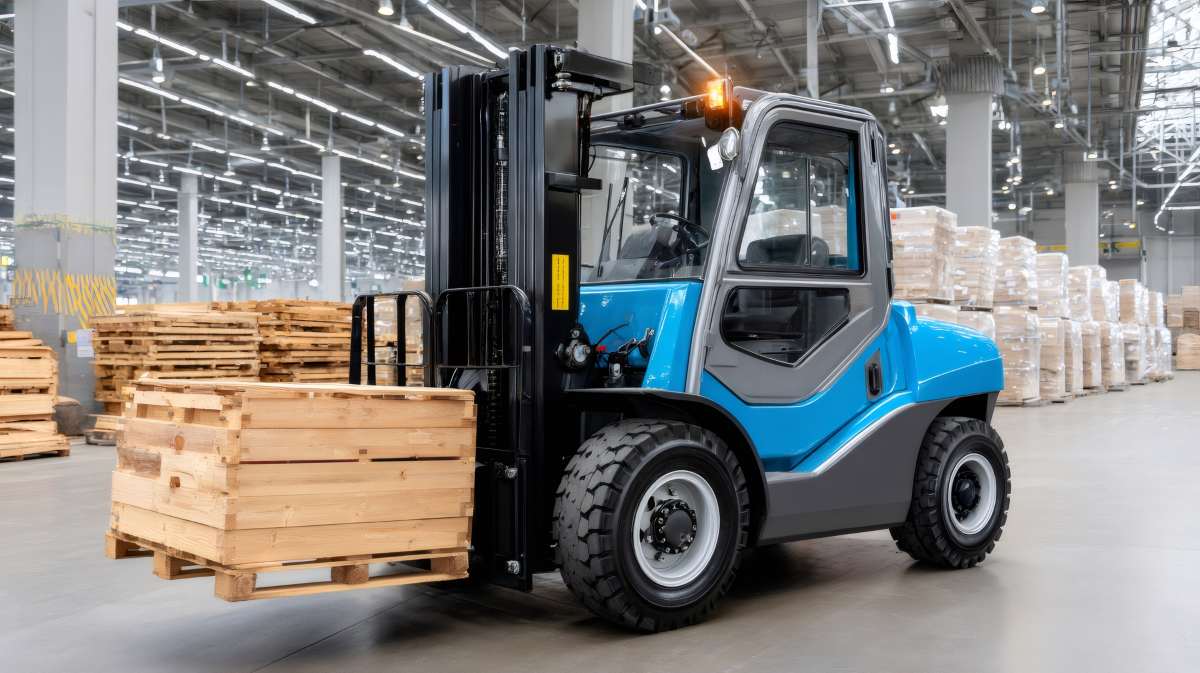
Forklifts are machines built for industrial handling, but they have strict load limits. Exceeding capacity or stacking loads unevenly can cause tipping, dropped goods, or sudden instability. The results are often catastrophic, both for operators and anyone standing nearby.
A common mistake is assuming a forklift can “handle it just this once.” In reality, overloading places stress on hydraulics, steering, forks, and tyres, raising the risk of long-term mechanical failure as well as immediate accidents. Capacity plates, weight distribution charts, and digital telematics help operators make better decisions, but only if they’re consistently used.

Speed is another major factor. Forklifts may not seem fast compared to road vehicles, but a sharp turn at 10 miles per hour with a heavy load can tip a truck or throw a pallet. Recklessness also includes risky manoeuvres such as sharp cornering, racing through aisles, or ignoring floor markings.
The underlying issue is often workplace culture. If operators feel pressured to move goods quickly, they’ll take shortcuts. Management should balance productivity targets with safety, making it clear that no deadline is worth a life-changing injury.
A forklift that isn’t maintained properly is a hazard in itself. Worn brakes, leaking hydraulics, faulty steering, or damaged forks can all cause sudden failures. Unfortunately, maintenance is sometimes treated as optional rather than essential, especially in smaller firms trying to keep costs down.
The reality is that preventive servicing reduces both accidents and long-term expenses. Daily pre-use inspections before shifts, combined with scheduled professional servicing, are vital. When businesses cut corners here, they put staff and assets at unnecessary risk.
Warehouses are rarely forklift-only zones; staff on foot are almost always nearby. Collisions between forklifts and pedestrians remain one of the most serious causes of injury. Even at low speeds, a forklift can cause serious crash injuries, fractures, or worse..
Designing clear separation between vehicles and people is essential. Barriers, painted walkways, and audible warning systems can prevent tragic outcomes. Operators, too, need constant reminders to remain alert and never assume others will move out of the way
Finally, the environment plays a bigger role than many managers expect. Wet or uneven floors, ramps, tight corners, and poor ventilation all increase accident risks. A forklift designed for smooth indoor floors may struggle outdoors on gravel, while fumes from older diesel trucks can create invisible health hazards indoors.
Businesses should conduct regular site assessments to spot these problems early. Sometimes simple fixes—such as resurfacing a ramp or installing better ventilation—make a dramatic difference to safety outcomes.
The question “what are the main causes of injuries when using forklifts?” doesn’t have a single answer. It’s usually a combination of inadequate training, unsafe practices, and overlooked maintenance. The encouraging part is that each of these risks can be addressed with the right approach.
If you’re responsible for forklift operations, reviewing your policies against proven forklift safety guidelines is a smart first step. Investing in regular training, prioritising preventive maintenance, and creating safer environments won’t just protect workers; it’ll improve efficiency and lower costs over time.
At Acclaim Handling, we supply machines built for industrial handling and support them with comprehensive servicing, training, and compliance expertise. By combining the right equipment with a strong safety culture, you can protect your team and keep operations running smoothly.

We prioritize accuracy and integrity in our content. Here's how we maintain high standards:
Our content is carefully reviewed by experienced professionals to ensure accuracy and relevance.
Look for the expert-reviewed label to read content you can trust.

 01708 861 414
