Hiring a forklift is a straightforward transaction on the surface. You need a truck, you contact a supplier, they deliver one. But the quality of that arrangement only becomes apparent once something goes wrong, or once demand shifts, or once the equipment doesn’t quite match the application. By that point, changing providers mid-operation is costly and disruptive. The decision about who to hire from matters considerably more than it tends to get treated.
What separates a reliable hire partner from an adequate one isn’t always visible in a brochure or a quote. It shows up in response times, in the depth of their available stock, in how they handle a breakdown call at seven in the morning, and in whether the person you’re speaking to actually understands your operation or is working through a script.
The first thing worth establishing is whether a potential hire partner can actually supply what you need, not just in general terms but specifically: the right capacity class, the right mast configuration, the right power source for your environment, and critically, the availability to deliver it when you need it rather than when it’s convenient for them.
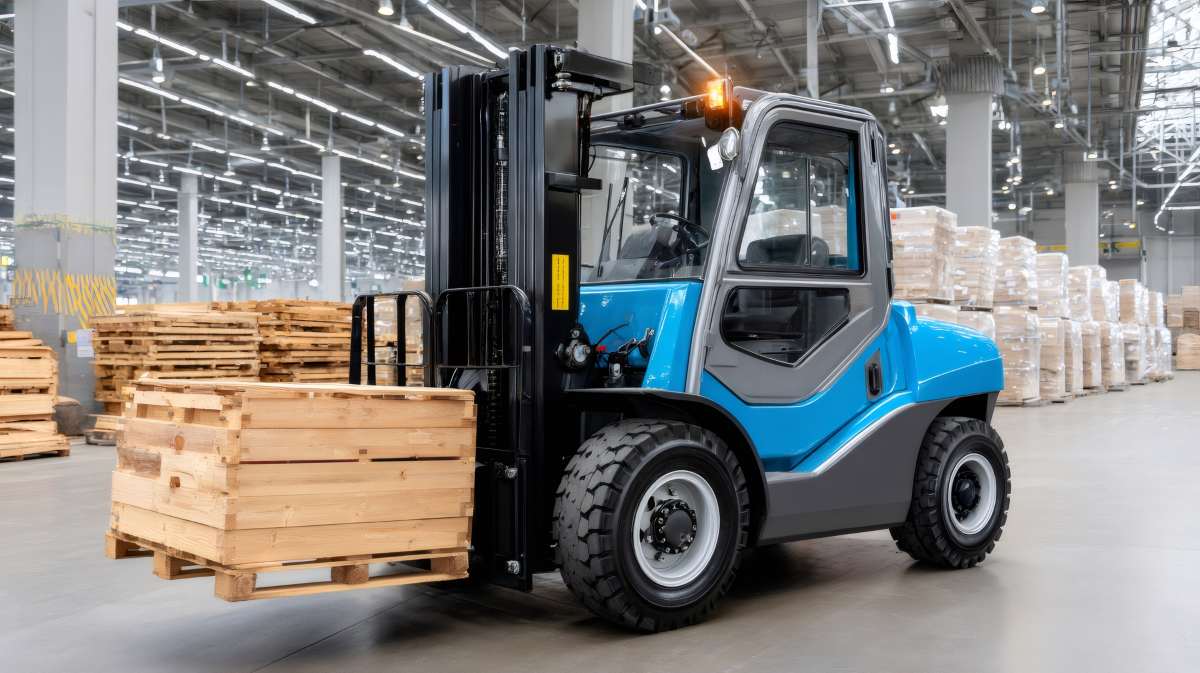
A hire provider operating a thin fleet with limited specification range will inevitably push you toward whatever they have available rather than what best suits your application. For straightforward requirements, the gap between available and ideal may be small enough not to matter. For operations with specific demands, whether that’s a triplex mast for high-bay racking, an electric truck for a food-safe environment, or a rough-terrain machine for an outdoor site, the gap can be operationally significant.
Ask directly about available stock in the specification you need before committing. A credible provider will be able to answer that question specifically. A vague answer about fleet size without specifics on what’s actually available and where is a signal worth paying attention to.
Hire arrangements earn their value most visibly when something goes wrong. A hired truck that develops a fault needs to be replaced or repaired quickly; the whole point of the arrangement is operational continuity, and a provider who takes three days to respond to a breakdown call isn’t delivering that. Response capability depends on two things: engineering resource and geographic proximity.
A provider with a single depot serving a wide area will always have slower response times than one with genuine regional coverage. This is a practical constraint, not a question of intent. When evaluating hire partners, the relevant question isn’t where their head office is; it’s where their nearest depot and mobile engineers are relative to your site, and what their realistic response time is for a breakdown call during your operating hours.
For operations running shifts outside standard working hours, 24/7 engineering support isn’t a nice-to-have; it’s a basic requirement. A provider who can only respond during office hours is offering a materially different service from one who can reach you at any point in the operational day.
Hire contracts vary considerably in what they cover, and the headline rate doesn’t always reflect the total cost once you account for what isn’t included. Maintenance and servicing arrangements are the most significant variable. Some contracts include scheduled maintenance as standard; others treat it as a separate cost. Some cover breakdown callouts within the contract; others charge per visit.
Read this carefully before signing. The operational disruption of unexpected charges is one thing; the more significant issue is what the maintenance provision actually means for the reliability of the equipment you’re receiving. A hire arrangement that includes genuine, properly resourced maintenance is worth more in practice than one that offers a lower headline rate but leaves servicing as an afterthought.
LOLER thorough examinations are a legal requirement for lifting equipment, and it should be clear within the contract who is responsible for ensuring these are completed at the required intervals during the hire period. This isn’t a detail to leave ambiguous.
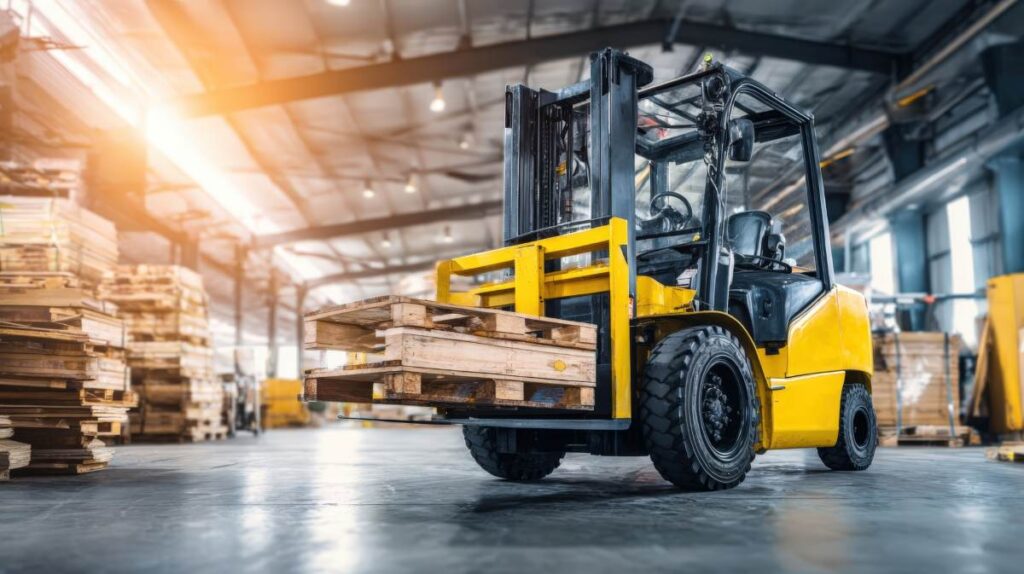
A hire partner can only match equipment to your needs if those needs are clearly defined, and it’s worth spending time on this before making contact. The key variables are lift capacity, maximum lift height, load centre for the loads you’re typically handling, operating environment (indoor, outdoor, or mixed), power source preference or constraint, and any attachment requirements.
Selecting the right forklift for a hire application follows the same logic as for a purchase: the starting point is what the work actually requires, not what happens to be available. A hire partner worth working with will ask these questions themselves; if they don’t, that tells you something about the level of advice you’re likely to receive throughout the relationship.
Hire terms range from a few days to long-term contract arrangements spanning years, and the right structure depends on why you’re hiring in the first place. Short-term hire for a peak period or a project phase needs flexibility above all else; a contract that penalises early return or makes extension difficult defeats the purpose. Longer-term arrangements warrant closer attention to the terms around equipment substitution, maintenance obligations, and exit provisions.
It’s also worth understanding how a potential provider handles the situation where your requirements change mid-contract. If the hired truck turns out to be underspecified for the work, or your operational needs shift, can the arrangement be adjusted? The ability to rent material handling equipment on demand with genuine flexibility is what distinguishes hire from a de facto ownership arrangement with someone else’s name on the asset.
Longevity in the hire market is a reasonable proxy for reliability, though not an infallible one. A provider who has been operating for decades has, by definition, maintained enough customer confidence to sustain the business across changing market conditions. Accreditations matter too; membership of the Fork Lift Truck Association and relevant ISO certifications indicate a baseline commitment to operating standards that goes beyond the minimum legal requirement.
References from existing customers in similar operating environments are worth requesting if the contract value justifies it. A provider confident in their service quality will have no hesitation in providing them.
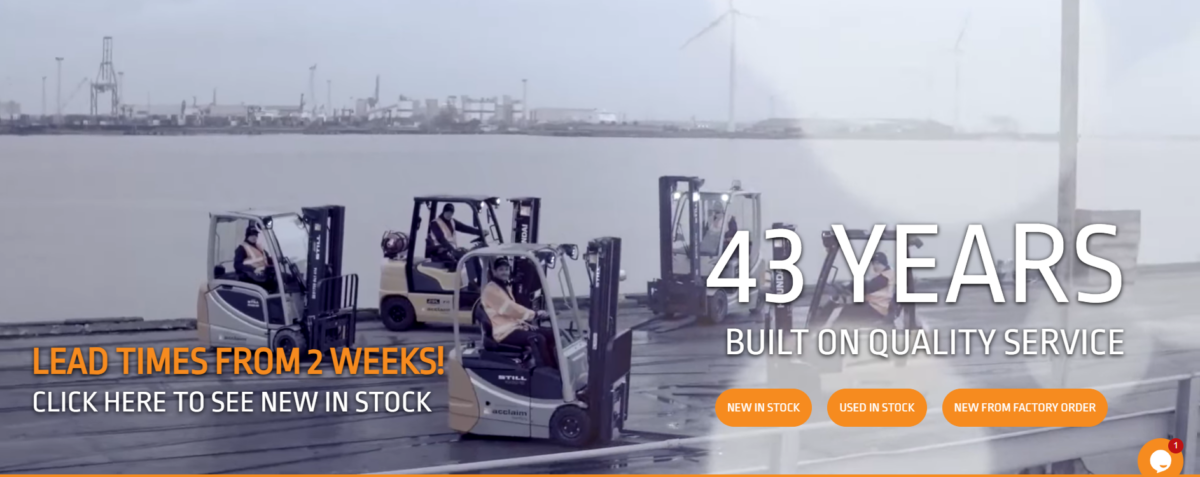
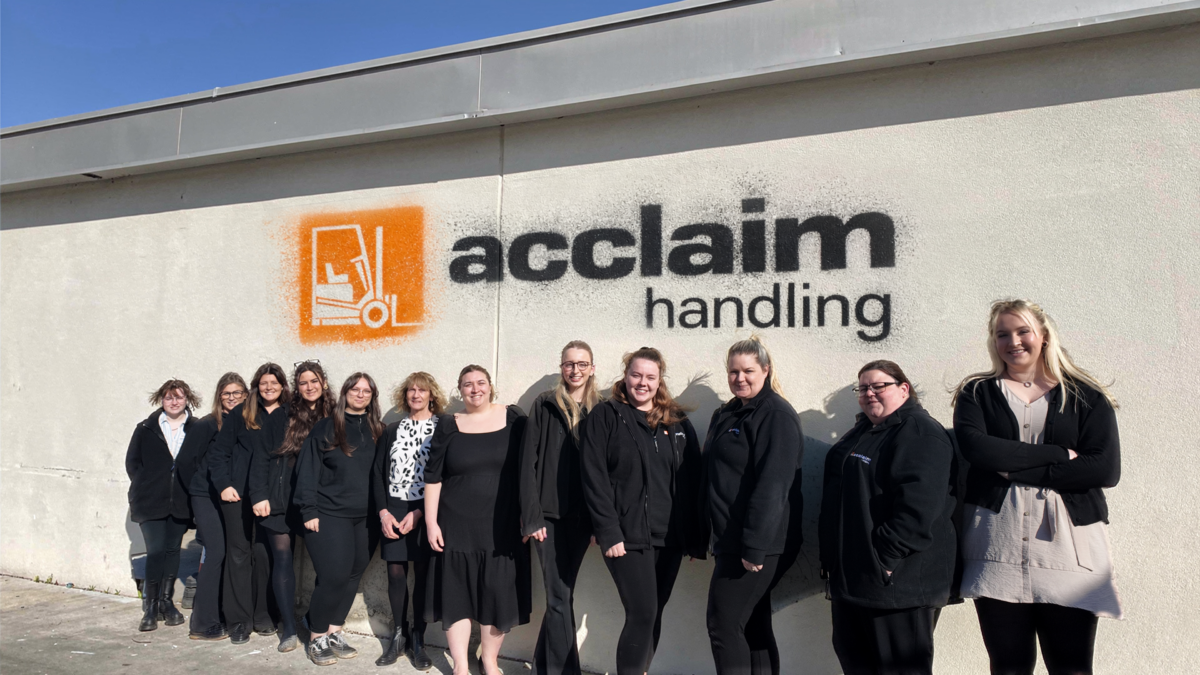
Acclaim Handling has been a hire partner for businesses across the UK since 1982, with eight regional service centres providing genuine local coverage and a 24/7 engineering team that backs up every hire arrangement with real response capability. Their fleet spans new, nearly new, and used equipment across a wide range of specifications, with no fixed contract requirements for short-term arrangements. Over 43 years as the UK’s longest-established independent STILL distributor, and a Fork Lift Truck Association Dealer of the Year award to their name. If you’re evaluating hire partners and want to speak to people who understand the equipment and the application, get in touch with Acclaim Handling.

We prioritize accuracy and integrity in our content. Here's how we maintain high standards:
Our content is carefully reviewed by experienced professionals to ensure accuracy and relevance.
Look for the expert-reviewed label to read content you can trust.
 01708 861 414
