If someone asked you what the best fork positioning on your forklift was, would you know the answer? It might seem insignificant for you now, because you’ve been operating one for a while, but it is actually a skill that requires proper knowledge from the operator as well as sticking to the correct rules. Knowing the facts and sticking to these rules helps to reduce accidents, and to reduce injuries if accidents do occur. So, how high should your forks be when driving a forklift?
At an estimate, it takes 15-20 feet for a fully loaded forklift to come to a complete stop when driving at full speed. This is down to the operator’s reaction time and the weight of the forklift itself.
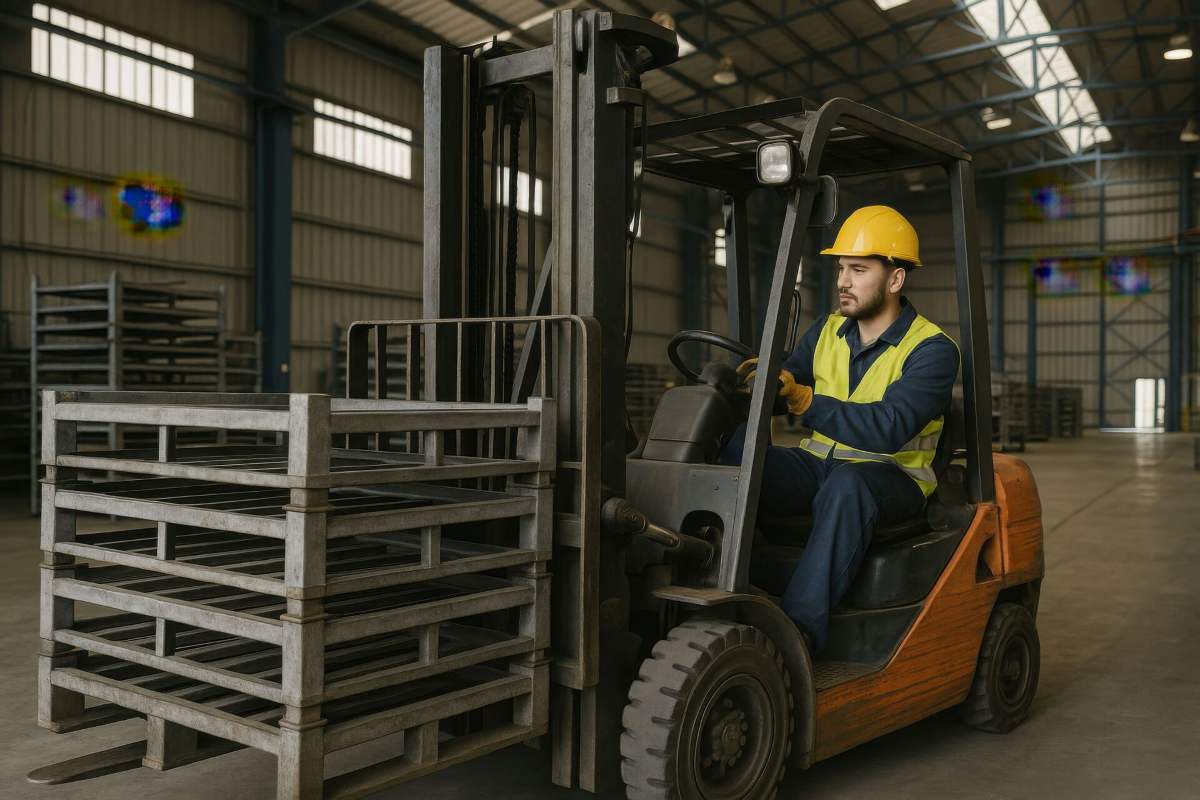
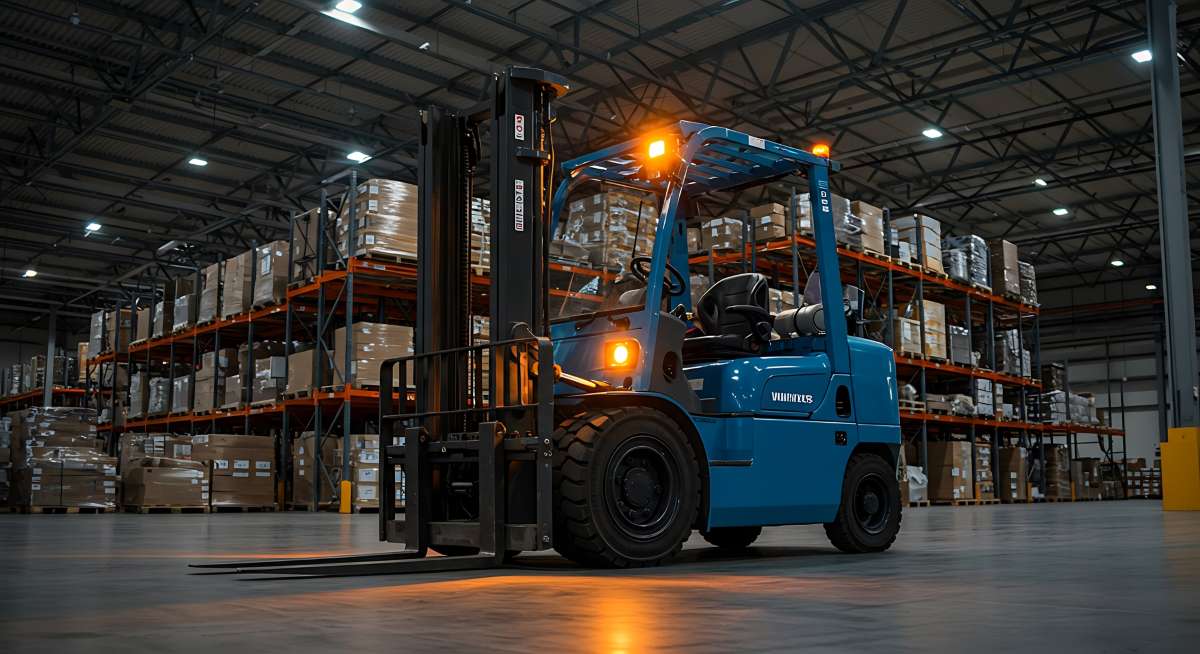
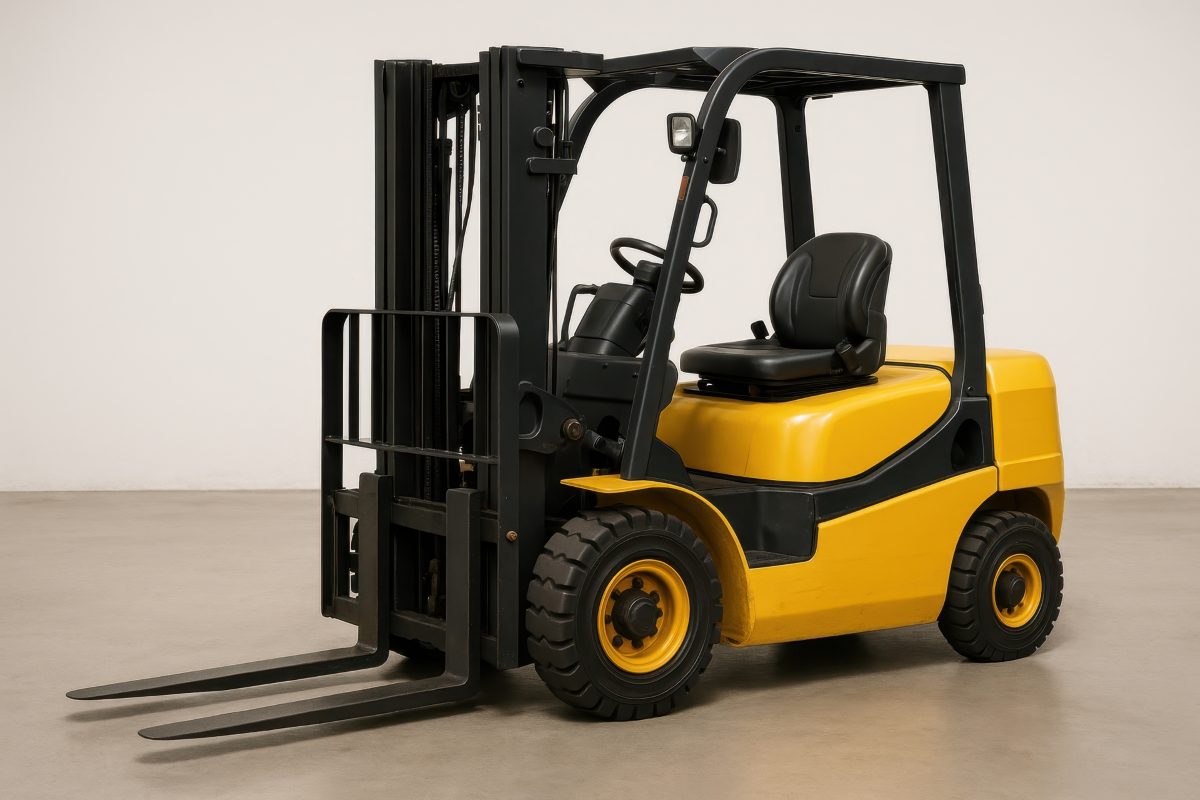
While driving, a properly trained forklift operator will have his/her forks between 4 and 6 inches off the ground. This allows enough room below to not have contact with the ground, allowing some le-way for uneven areas, slopes, inclines and debris on the floor. At 4-6 inches, this load is also low enough to prevent a severe injury if you was to hit a pedestrian.
As per the HSE regulations, when you’re carrying a load, you MUST tilt the forks back. A slight tilt is all that is usually needed even when a load may feel like it needs to be at a different angle or height. There may be some room for a higher degree of tilt, such as if there are loose loads or maybe even liquid loads.
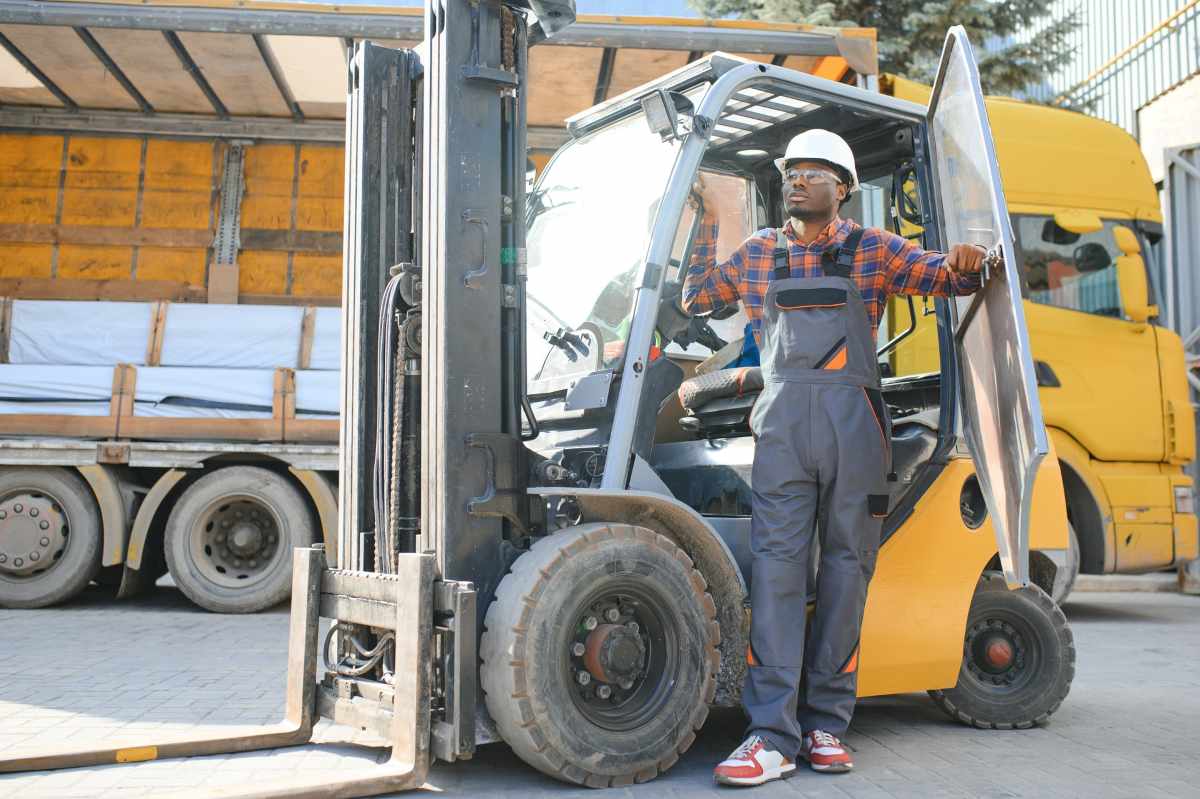
When in park, you should always consider if you have parked in an area where you are away from any pedestrian walking zones, and your forks should be in the downward tilt position.
You can contact us by: Giving us a call on 01708 861 414 emailing us on [email protected] or using our online contact form.

We prioritize accuracy and integrity in our content. Here's how we maintain high standards:
Our content is carefully reviewed by experienced professionals to ensure accuracy and relevance.
Look for the expert-reviewed label to read content you can trust.

 01708 861 414
