On this page
- Why Resale Value Matters
- Keep Up With Scheduled Maintenance
- Maintain Detailed Service Records
- Address Minor Repairs Promptly
- Keep the Forklift Clean
- Train Operators Properly
- Protect High-Wear Components
- Avoid Unnecessary Modifications
- Monitor Battery Health on Electric Forklifts
- Replace Worn Tyres Before Selling
- Understand Market Timing
- Choose Equipment That Holds Its Value
- Conclusion
A forklift is a working asset, but it’s also an investment. Whether you plan to trade in your equipment, sell it privately, or upgrade to a newer model, the condition and history of your forklift will have a direct impact on how much value you recover at the end of its service life.
Many businesses focus solely on purchase price when acquiring material handling equipment. However, the total cost of ownership includes what the truck is worth when it leaves your fleet. A well-maintained forklift with documented servicing and a clean operating history will typically command a significantly higher resale value than an identical machine that has been neglected.
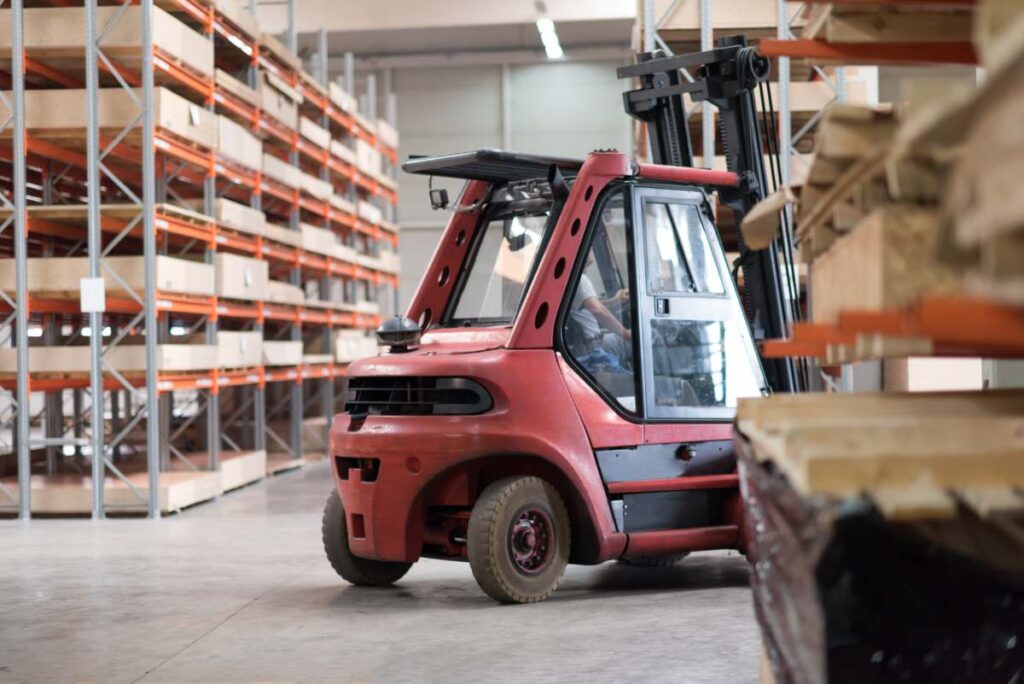
The good news is that maximising resale value isn’t complicated. It largely comes down to consistent maintenance, proper operation, and protecting the condition of the truck throughout its working life.
Why Resale Value Matters
Forklifts represent a substantial capital investment for most warehouses, distribution centres, and industrial facilities.
When it comes time to replace equipment, a higher resale value can:
- Reduce the cost of upgrading
- Improve return on investment
- Lower overall fleet ownership costs
- Increase trade-in opportunities
- Provide greater flexibility when expanding operations
Businesses that treat forklifts as long-term assets rather than disposable equipment are often rewarded when it comes time to sell.
Keep Up With Scheduled Maintenance
Routine servicing is one of the most important factors influencing resale value.
Prospective buyers want reassurance that the equipment has been properly maintained and is unlikely to require major repairs immediately after purchase.
Regular maintenance helps prevent issues such as:
- Hydraulic leaks
- Engine problems
- Transmission wear
- Brake failures
- Steering faults
- Electrical issues
More importantly, it demonstrates that the forklift has been cared for throughout its life.
Skipping services may save money in the short term, but it can significantly reduce the value of the truck when you decide to sell.
Maintain Detailed Service Records
A forklift with a complete maintenance history is often worth considerably more than one with no supporting documentation.
Buyers want evidence that inspections, repairs, servicing, and safety checks have been completed at appropriate intervals.
Documentation should include:
- Service schedules
- Repair records
- Parts replacements
- Thorough examination reports
- Maintenance invoices
- Battery maintenance logs where applicable
Comprehensive records provide transparency and help build buyer confidence.
Businesses interested in keeping detailed maintenance records to improve resale value often find that strong documentation becomes one of the most persuasive selling points when marketing used equipment.
Address Minor Repairs Promptly
Small issues can quickly become expensive problems if left unresolved.
A damaged seat, worn tyres, cracked lights, or minor hydraulic leak may not affect day-to-day operation immediately, but they can create negative impressions during a resale inspection.
Potential buyers often view visible defects as indicators that other maintenance may also have been neglected.
Addressing minor repairs early helps:
- Preserve equipment condition
- Reduce long-term repair costs
- Improve reliability
- Maintain professional appearance
Regular inspections can help identify issues before they become more serious.
Keep the Forklift Clean
Appearance matters more than many fleet owners realise.
A forklift that is clean, well-presented, and free from excessive dirt or corrosion often achieves stronger resale values than one that appears neglected.
Regular cleaning helps prevent:
- Rust development
- Corrosion of components
- Build-up of grease and contaminants
- Premature wear on controls and fittings
A clean machine also allows maintenance teams to identify developing issues more easily.
Before selling a forklift, a thorough clean and cosmetic inspection can significantly improve first impressions.
Train Operators Properly
The way a forklift is operated has a major impact on its long-term condition.
Poor driving habits can accelerate wear on:
- Tyres
- Brakes
- Mast components
- Hydraulic systems
- Steering mechanisms
- Forks and attachments
Operator training helps reduce unnecessary damage and prolongs the service life of the equipment.
Well-trained operators are also less likely to cause impacts that result in bodywork damage, bent forks, or structural issues that may reduce resale value.
Protect High-Wear Components
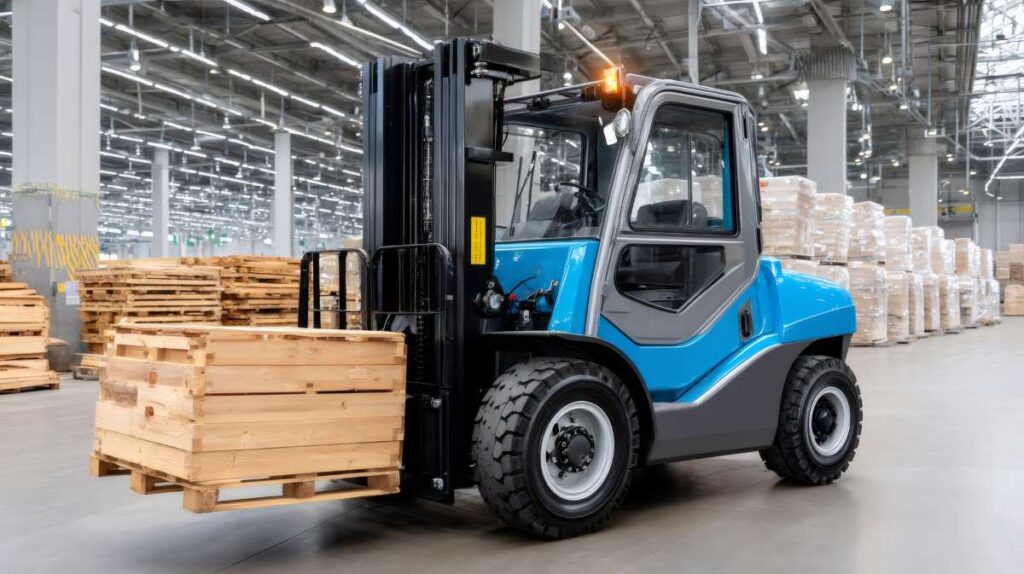
Some forklift components experience more wear than others and are frequently examined by prospective buyers.
These commonly include:
- Tyres
- Forks
- Chains
- Hydraulic hoses
- Seats
- Controls
Regular inspections and timely replacement of worn components help maintain overall machine condition.
Operator comfort features can also influence buyer perception. Modern forklifts with well-maintained ergonomic features often appear more attractive to prospective purchasers because they support productivity and reduce operator fatigue.
Avoid Unnecessary Modifications
While certain attachments and upgrades can increase functionality, extensive modifications may sometimes reduce resale appeal.
Many buyers prefer equipment that remains close to its original specification because it is easier to assess, maintain, and integrate into existing operations.
Before making significant alterations, consider whether the modification will appeal to future buyers or limit the pool of potential purchasers.
Where specialist attachments are used, retaining original components can help preserve flexibility when the truck is eventually sold.
Monitor Battery Health on Electric Forklifts
For electric forklifts, battery condition is often one of the most important factors affecting value.
A replacement traction battery can represent a substantial expense for a prospective buyer.
To maximise resale value:
- Follow manufacturer charging guidelines
- Avoid deep discharges where possible
- Maintain watering schedules
- Keep battery compartments clean
- Record battery maintenance activity
A well-maintained battery can significantly strengthen the resale position of an electric truck.
Replace Worn Tyres Before Selling
Tyres are one of the first things buyers notice during an inspection.
Heavily worn tyres can suggest poor maintenance, even if the rest of the machine is in good condition.
Depending on overall condition and expected resale price, replacing worn tyres before listing the forklift may help improve buyer confidence and increase perceived value.
The cost of replacement can often be offset by a stronger final sale price.
Understand Market Timing
Resale values are influenced by market conditions as well as equipment condition.
Factors affecting demand may include:
- Industry activity levels
- Availability of new equipment
- Lead times from manufacturers
- Economic conditions
- Seasonal purchasing patterns
Selling before a forklift reaches the stage where major repairs become necessary often results in stronger returns.
Businesses that regularly review fleet performance can identify the ideal point for replacement before depreciation accelerates significantly.
Choose Equipment That Holds Its Value
Resale value begins at the point of purchase.
Well-known manufacturers with strong parts availability and established service networks often retain value more effectively than lesser-known brands.
When evaluating equipment options, it is worth considering not only purchase price but also long-term demand within the used equipment market.
Businesses looking for reliable, high-quality warehouse lifting vehicles available for purchase should consider how factors such as manufacturer reputation, support availability, and maintenance requirements may influence future resale opportunities.
Conclusion
Maximising forklift resale value requires a long-term approach rather than last-minute preparation before a sale.
Routine maintenance, comprehensive service records, proper operator training, prompt repairs, and good overall presentation all contribute to stronger resale performance. By protecting the condition of the truck throughout its working life, businesses can recover more of their investment and reduce the overall cost of fleet ownership.
A forklift that has been maintained professionally and operated responsibly will almost always attract greater buyer confidence and achieve a higher resale value than one that has simply been worked until replacement becomes unavoidable. When you are ready to sell, we buy forklifts outright or in part exchange.