On this page
- 1. Poor Battery Maintenance
- 2. Hydraulic System Leaks
- 3. Worn or Damaged Tyres
- 4. Neglected Routine Servicing
- 5. Cooling System Problems
- 6. Operator Misuse
- 7. Brake System Wear
- 8. Dirty or Contaminated Fluids
- 9. Ignoring Small Problems
- 10. Age and Component Wear
- Why Preventative Maintenance Matters
- Supporting Reliable Forklift Operations
- Conclusion
Forklifts are among the hardest-working pieces of equipment in warehouses, distribution centres, construction sites, and industrial facilities. When operating correctly, they help keep goods moving efficiently and support productivity across the entire operation.
However, like any mechanical equipment, forklifts can experience breakdowns. Unexpected downtime not only disrupts workflows but can also result in costly repairs, delayed deliveries, and reduced productivity.
Understanding the most common causes of forklift breakdowns can help businesses take preventative action and keep their equipment operating reliably for longer.
Here are 10 common reasons forklifts break down and what you can do to prevent them.
1. Poor Battery Maintenance
For electric forklifts, battery-related issues are one of the most frequent causes of downtime.
Problems often occur when batteries are:
- Overcharged
- Undercharged
- Allowed to fully discharge repeatedly
- Poorly maintained
- Not watered correctly
Battery neglect can reduce performance, shorten battery lifespan, and eventually lead to equipment failure.
How to Prevent It
Follow manufacturer charging recommendations, maintain watering schedules where required, and carry out regular battery inspections. Proper battery care can significantly improve reliability and reduce replacement costs.
2. Hydraulic System Leaks
Forklifts rely heavily on hydraulic systems to lift, lower, and position loads safely.
Over time, hydraulic hoses, seals, and fittings can wear or become damaged, leading to fluid leaks.
Hydraulic issues can result in:
- Reduced lifting performance
- Slow mast operation
- Safety concerns
- Complete equipment shutdown
How to Prevent It
Inspect hydraulic components regularly and address leaks as soon as they are detected. Routine servicing helps identify worn parts before they fail.
3. Worn or Damaged Tyres
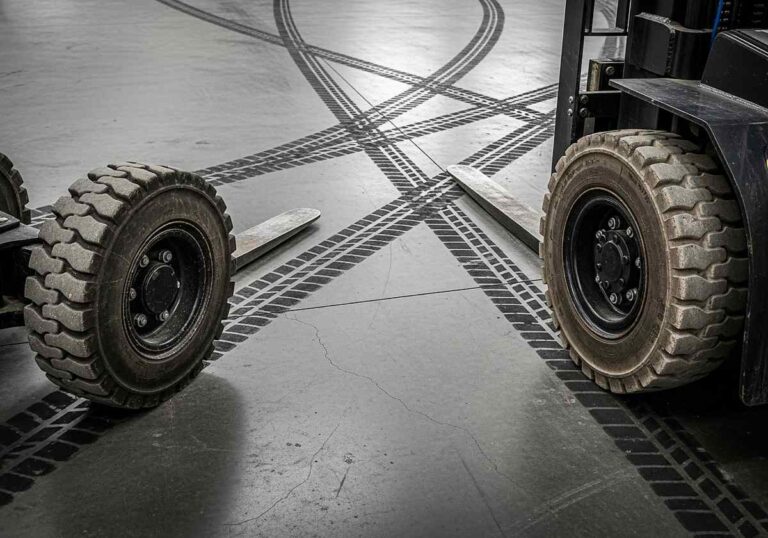
Forklift tyres are subjected to constant use and play a crucial role in vehicle stability and handling.
Excessively worn tyres can contribute to:
- Poor traction
- Reduced load stability
- Increased vibration
- Operator discomfort
- Higher accident risks
How to Prevent It
Carry out regular tyre inspections and replace tyres when wear becomes excessive. Maintaining appropriate tyre condition improves both safety and performance.
4. Neglected Routine Servicing
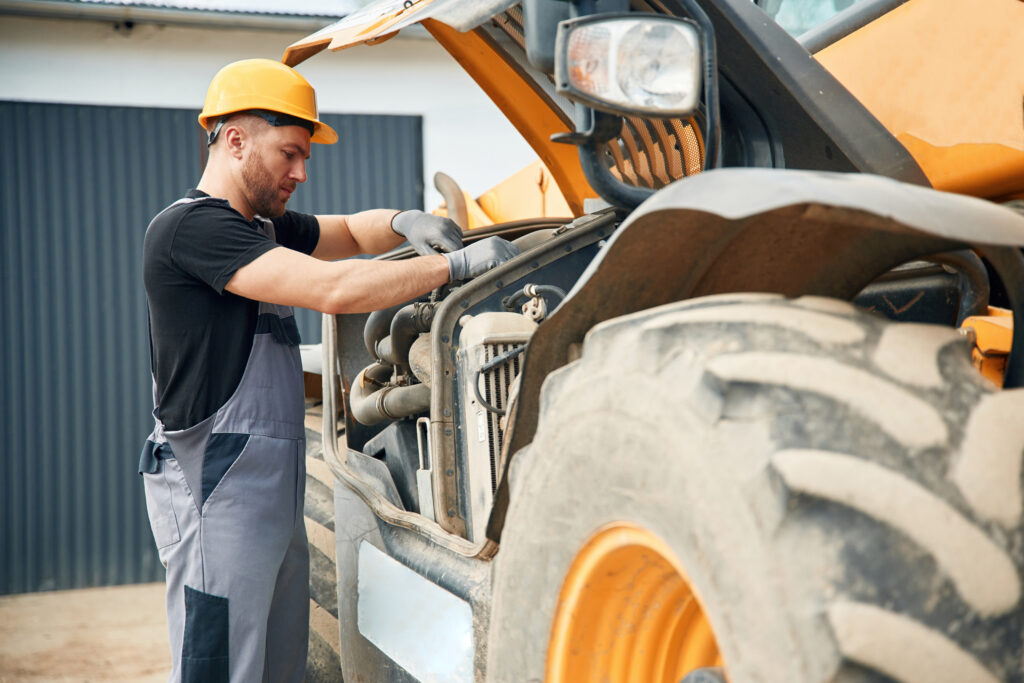
Many forklift breakdowns occur simply because routine maintenance has been delayed or ignored.
Without regular servicing, minor issues can develop into major mechanical failures.
Common consequences include:
- Component wear
- Fluid contamination
- Reduced efficiency
- Unexpected breakdowns
How to Prevent It
Implement a structured maintenance schedule and ensure servicing is completed at recommended intervals. Businesses looking for a comprehensive guide to maintaining forklifts should prioritise preventative maintenance rather than waiting for problems to occur.
5. Cooling System Problems
Internal combustion forklifts generate significant heat during operation.
If cooling systems become blocked, damaged, or poorly maintained, overheating can occur.
Potential consequences include:
- Engine damage
- Reduced performance
- Unexpected shutdowns
- Expensive repairs
How to Prevent It
Inspect radiators, coolant levels, hoses, and cooling components regularly. Keeping cooling systems clean and functioning properly helps prevent overheating issues.
6. Operator Misuse
Even well-maintained forklifts can suffer premature wear if they are operated incorrectly.
Examples of operator misuse include:
- Overloading
- Harsh acceleration
- Sudden braking
- Striking obstacles
- Improper load handling
Repeated misuse can accelerate wear on key components and increase the likelihood of breakdowns.
How to Prevent It
Ensure operators receive appropriate training and refresher courses where necessary. Safe operating practices help protect both equipment and personnel.
7. Brake System Wear
Forklift brakes are essential for safe operation and experience significant wear over time.
Brake-related issues may include:
- Reduced stopping power
- Excessive wear
- Hydraulic problems
- Damaged brake components
Ignoring brake maintenance can create serious safety risks and lead to costly repairs.
How to Prevent It
Conduct regular brake inspections and address any signs of reduced performance immediately. Preventative maintenance helps ensure braking systems remain reliable.
8. Dirty or Contaminated Fluids
Forklifts depend on various fluids to operate effectively, including:
- Hydraulic fluid
- Engine oil
- Transmission fluid
- Coolant
Contaminated or degraded fluids can accelerate component wear and reduce system efficiency.
How to Prevent It
Follow recommended fluid replacement schedules and use the correct products specified by the manufacturer. Regular fluid checks can help identify issues before they become serious.
9. Ignoring Small Problems
One of the most expensive mistakes businesses make is overlooking minor faults.
Small issues such as unusual noises, minor leaks, warning lights, or reduced performance often indicate developing problems.
Left unresolved, these faults can lead to:
- Major repairs
- Extended downtime
- Component failure
- Higher maintenance costs
How to Prevent It
Encourage operators to report issues promptly and investigate warning signs as soon as they appear. Early intervention is often far less expensive than major repairs.
10. Age and Component Wear
Even with excellent maintenance, forklift components naturally wear over time.
High-use forklifts may eventually experience wear in areas such as:
- Mast assemblies
- Chains
- Bearings
- Steering systems
- Engines
- Hydraulic components
As equipment ages, the likelihood of breakdowns can increase.
How to Prevent It
Regular inspections help identify ageing components before failure occurs. Planned replacements and lifecycle management strategies can extend equipment reliability and minimise unexpected downtime.
Why Preventative Maintenance Matters
Most forklift breakdowns do not occur without warning.
In many cases, equipment provides signs that components are wearing, fluids need attention, or servicing is overdue.
A proactive maintenance approach offers several benefits:
- Reduced downtime
- Improved safety
- Lower repair costs
- Longer equipment lifespan
- Greater operational reliability
Preventative maintenance is often significantly more cost-effective than dealing with emergency repairs after a breakdown has occurred.
Supporting Reliable Forklift Operations
Businesses that rely heavily on material handling equipment should view maintenance as an investment rather than an expense.
Access to scheduled maintenance solutions for commercial lifting vehicles can help organisations keep their fleets operating efficiently while reducing the likelihood of unexpected failures.
Combining routine servicing with daily inspections and operator awareness creates the strongest foundation for long-term forklift reliability.
Conclusion
Forklift breakdowns can disrupt operations, increase costs, and create safety risks. However, many of the most common causes are entirely preventable.
Battery neglect, hydraulic leaks, worn tyres, missed servicing, cooling system failures, operator misuse, and ageing components all contribute to equipment downtime. By identifying these risks early and implementing a proactive maintenance strategy, businesses can improve reliability, extend equipment lifespan, and minimise costly disruptions.
Regular inspections, proper servicing, and prompt attention to minor issues remain the most effective ways to keep forklifts operating safely and efficiently.