A forklift operator can be highly skilled, yet one moment of not seeing clearly is enough to cause serious harm. Blind spots are among the most common contributors to workplace accidents, and unlike mechanical faults, they’re built into the very design of the truck. Understanding where these hidden zones are, and how to manage them, is key for both safety and efficiency.
Let’s take a look at some essential forklift safety tips and go over some common forklift blind spots.
Blind spots are the areas around a forklift where the operator has little or no direct visibility. The mast, overhead guard, and counterweight all block portions of the view, while a bulky pallet on the forks can obscure the path ahead entirely. Rear and side visibility are also limited, especially when mirrors or cameras aren’t used effectively. Each forklift model comes with its own unique set of blind spots, which means operators need to familiarise themselves with the specific machine they’re driving rather than relying on general assumptions.
A blocked view doesn’t just inconvenience the operator; it creates a very real hazard for pedestrians, other vehicles, and stock. Someone walking into an unseen zone could be struck before the driver has a chance to react. Collisions with racking or doorframes are another common outcome, leading to costly damage as well as downtime. The danger increases dramatically when combined with high speeds, tight spaces, or poor lighting. What looks like a minor limitation on paper often becomes the root cause of severe accidents.
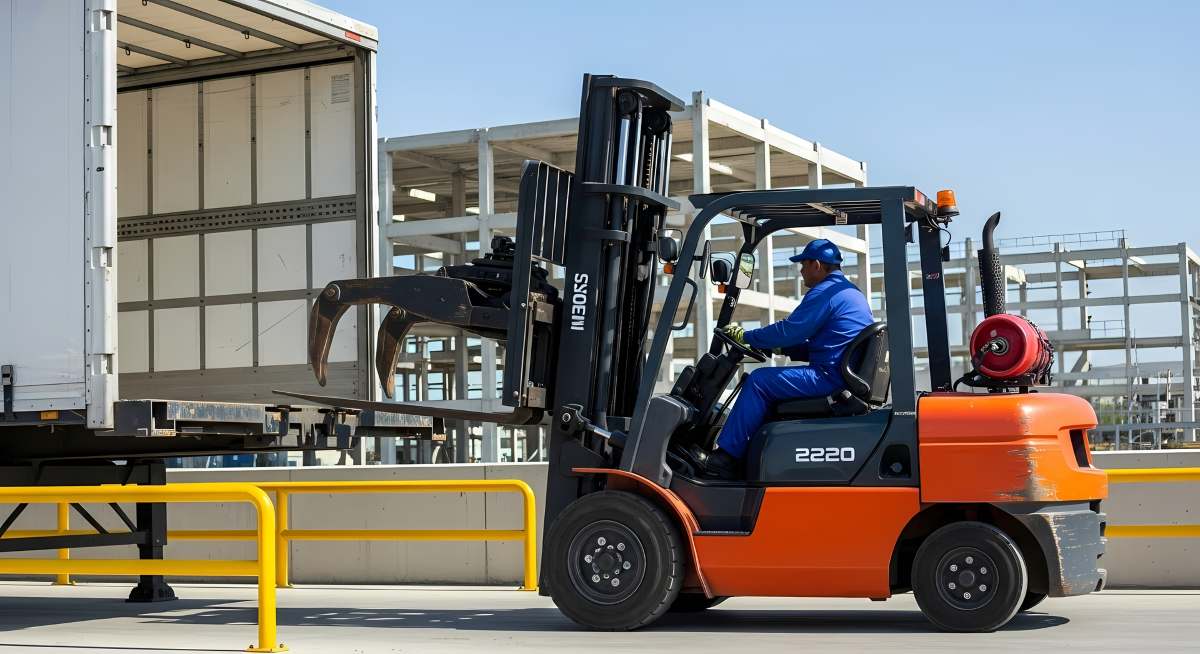
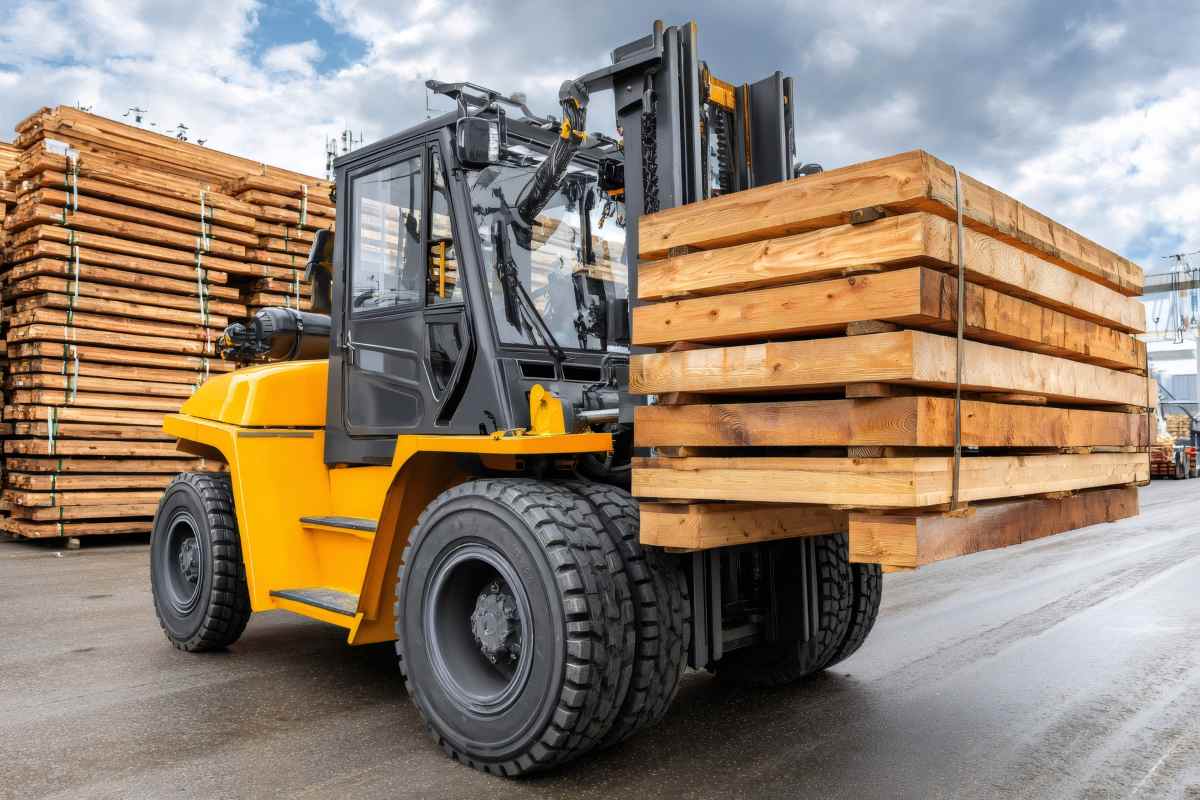
Certain areas are more problematic than others. A tall load on the forks creates a forward blind spot, removing the operator’s ability to see directly ahead. The rear of the truck is another weak point, particularly when reversing without assistance. Overhead guards can limit upward visibility, making stacking at height more difficult. Side blind spots restrict peripheral awareness, leaving operators unable to judge pedestrians or other vehicles approaching from an angle. Recognising these zones is the first step to managing them.
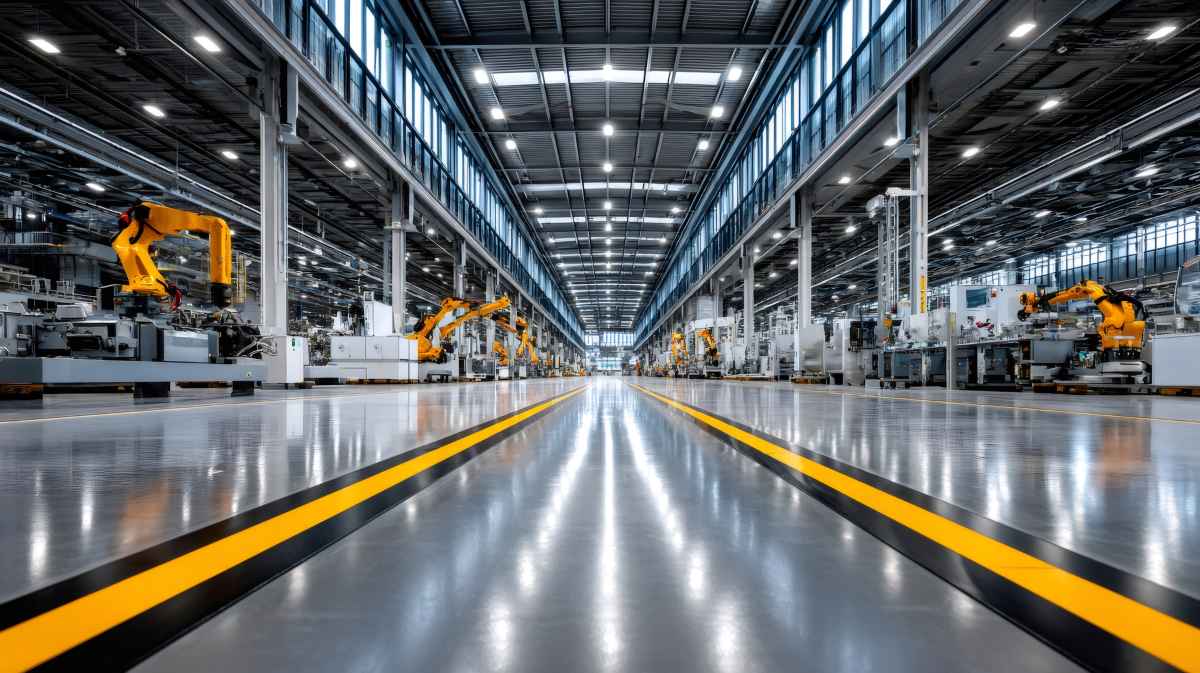
Workplace layout plays a huge role in controlling blind spot risks. Wide aisles, clearly marked pedestrian zones, and barrier systems reduce the chances of someone stepping into harm’s way. Adding mirrors at intersections and fitting brighter lighting in dark corners also make a significant difference. Many businesses now install reversing cameras and proximity alarms on forklifts to give drivers extra awareness. These tools support operators, but they should never be relied upon alone. Safe habits remain the foundation of effective risk management.
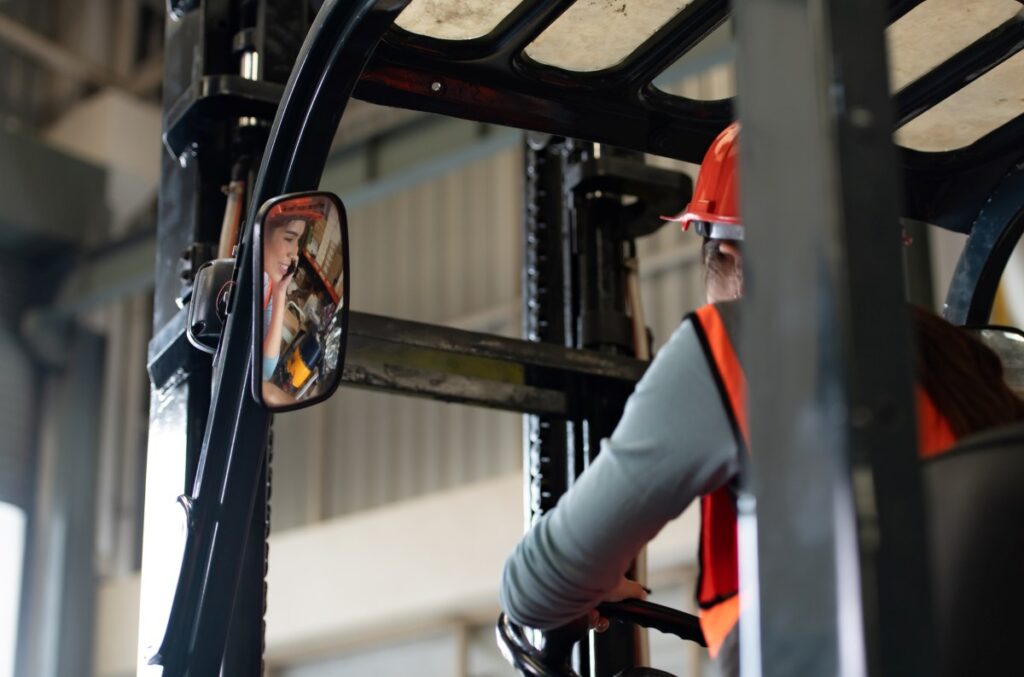
Drivers themselves can do a great deal to reduce blind spot dangers. Using the horn at intersections, reversing slowly, and checking mirrors frequently are all simple habits that make workplaces safer. Loads that block the forward view should be carried in reverse wherever possible, provided the path is clear and visibility is better. Training sessions should also highlight how blind spots vary between truck models, since assuming one machine behaves like another is a common error. Employers can reinforce these practices by building them into refresher courses and performance reviews.
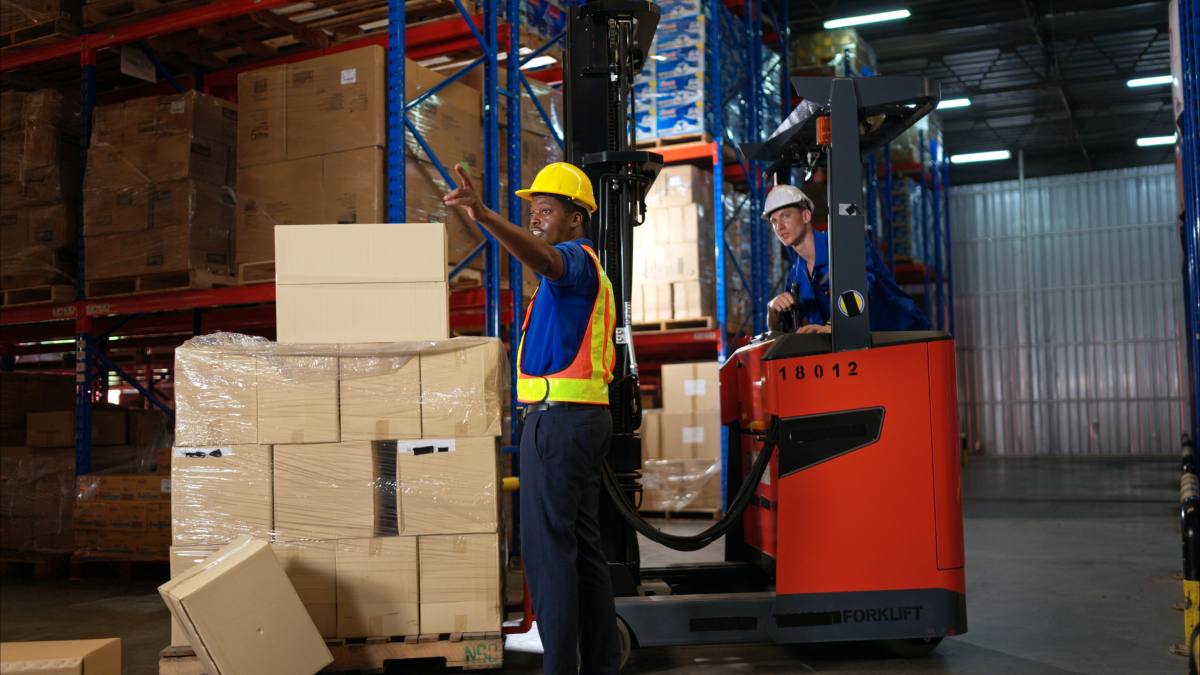
Safety isn’t just an operator’s responsibility. Pedestrians working in busy environments need to understand where they are visible and where they’re not. Training for warehouse staff should emphasise the importance of eye contact before crossing a forklift’s path. Walkways marked with paint or barriers make navigation clearer, and overhead signage can help guide foot traffic away from danger zones. A culture where everyone feels responsible for safety, not just the driver, makes accidents far less likely.
Even the best-trained operator can’t manage blind spots effectively if mirrors are dirty, cameras are broken, or lights are dim. Maintenance checks should cover all visibility aids, not just brakes and hydraulics. Adjusting mirrors for the operator’s height, replacing cracked lenses, and ensuring warning beacons function correctly should be part of every service. A well-maintained forklift doesn’t eliminate blind spots, but it ensures operators have the best possible chance of compensating for them.
Blind spots will never disappear entirely, which is why consistent education and clear rules are necessary. Employers should build blind spot awareness into toolbox talks, safety meetings, and induction training for new staff. Reinforcing forklift safety tips ensures operators and pedestrians alike understand the risks. These reminders should be practical, not theoretical, showing staff exactly how blind spots look and how to act around them.
Forklift blind spots are unavoidable, but their impact can be controlled. A mix of smart workplace design, well-maintained equipment, and disciplined operator habits goes a long way towards reducing accidents. Pedestrians who understand where they’re visible and where they’re not add another layer of protection.
Here at Acclaim Handling, we provide guidance and equipment that help businesses minimise risks and improve safety standards. If you’re reviewing your safety policies or considering new equipment, feel free to explore our purchase options for forklifts with expert advice built in. Awareness of blind spots may seem like a small detail, but it can prevent some of the most serious accidents in material handling.

We prioritize accuracy and integrity in our content. Here's how we maintain high standards:
Our content is carefully reviewed by experienced professionals to ensure accuracy and relevance.
Look for the expert-reviewed label to read content you can trust.


 01708 861 414
