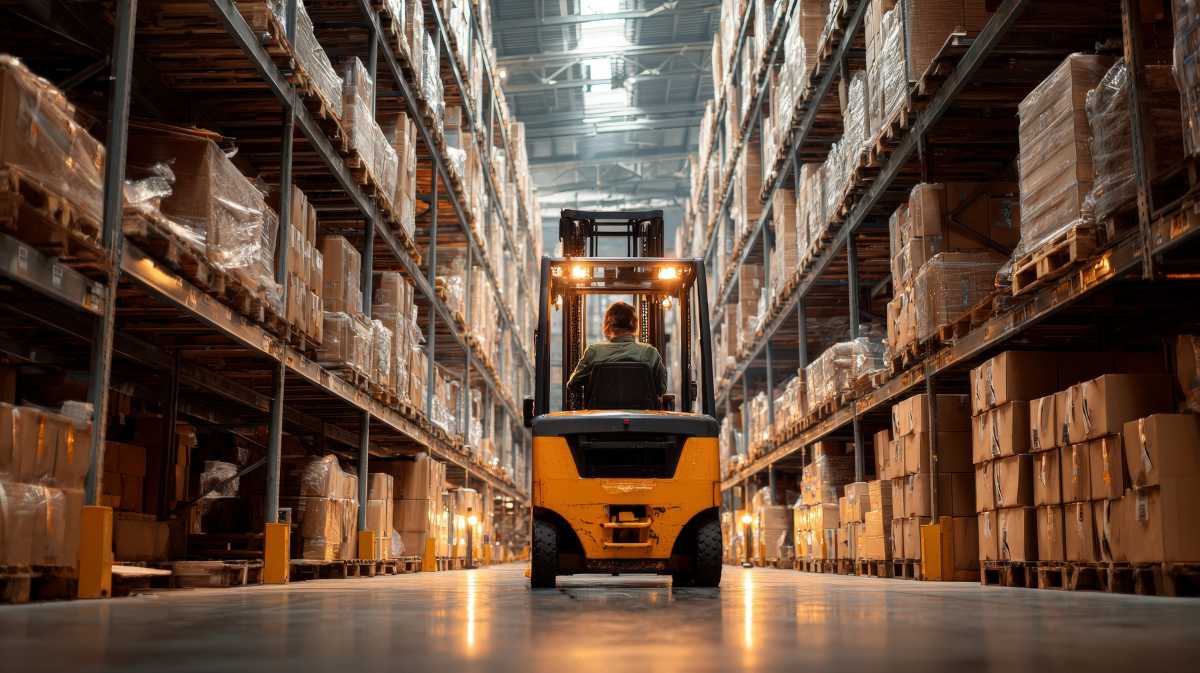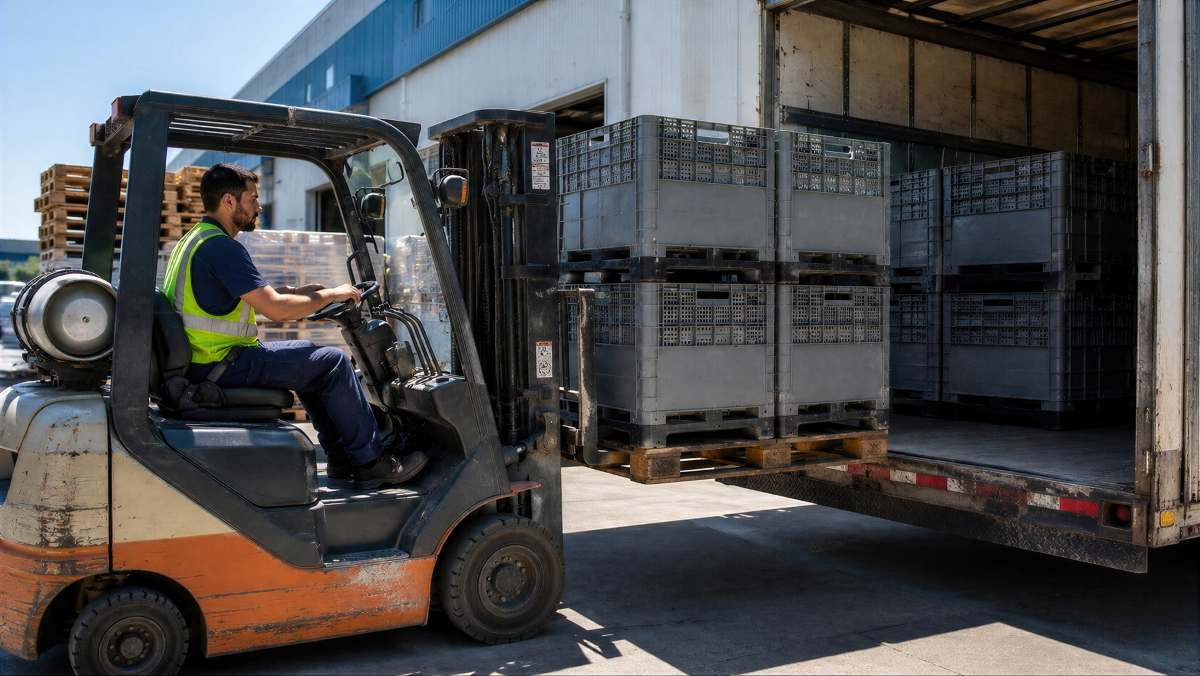
Health & Safety at Work Act says: that all employees must take reasonable care of their own Health and Safety, and that of others who may be affected by their acts or omissions. Forklifts can be very dangerous when not used correctly. ensuring that you always follow the below Forklift Safety Rules is just one way of helping to make sure you are following all of the correct health and safety guidelines, to greatly reduce the risk of preventable accidents.
How can we prevent such incidents from occurring whilst forks are in use?
ALWAYS: – Carry out a pre-shift check and report any faults immediately and fill in the log book. ALWAYS: – Work safely and efficiently and watch out for pedestrians ALWAYS: – Raise the forks or load into the travelling position before moving. ALWAYS: – Look the direction of travel, especially when reversing. ALWAYS: – Position the forks centrally to the load, except when the load has an offset centre of gravity. ALWAYS: – Travel at a speed appropriate to the load and working conditions. ALWAYS: – Slow down when cornering, especially when unladen or in wet conditions. ALWAYS: – Look out for overhead obstructions. ALWAYS: – Travel with the load facing up hill on a ramp or incline. ALWAYS: – Keep your truck clean and report any accident or damage immediately. ALWAYS: – Park your truck correctly with the handbrake on, forks lowered and remove the key. NEVER: – Use the equipment whilst under the influence of Alcohol or Drugs. NEVER: – Use a faulty truck. NEVER: – Lift loads which exceed the trucks rated capacity NEVER: – Carry Passengers or lift anyone unless an approved personnel cage is used. NEVER: – Travel forks leading with a large load obstructing your vision (travel forks trailing) NEVER: – Allow anyone to walk under raised forks or load NEVER: – Travel with the load/forks above the recommended travel position. NEVER: – Forget rear end swing when cornering. NEVER: – Drive over Dock Levellers or Bridge Plates until you have checked their capacity and security. NEVER: – Allow unauthorised personnel to use your machine. NEVER: – Park your truck where it will create an obstruction or hazard