On this page
- Lithium-Ion Electric Counterbalance Forklifts: The Most Popular Warehouse Forklifts in 2026
- Autonomous and AGV Forklifts: Fast-Growing Forklift Options for Automated Warehouses
- Heavy-Duty Electric Forklifts: High-Capacity Forklifts for Demanding Sites
- Why Demand Is Shifting in 2026
- Hydrogen Fuel Cell Forklifts: An Emerging Choice for High-Utilisation Fleets
- Best Forklifts for Warehouses, Logistics and Industrial Use: How to Choose
- What Buyers Should Consider
- Key Points Summary
The forklift market is changing rapidly and here at Acclaim Handling, we want you to make the best decisions regarding your forklift needs. Demand in 2026 is being shaped by automation, electrification and rising pressure to reduce operating costs. Across the country, warehouse, manufacturing and logistics buyers want forklifts that are safer, produce lower emissions, operate more efficiently and improve uptime.
In 2026, the most in-demand forklifts are the models that best meet these criteria: lithium-ion electric counterbalance forklifts, heavy-duty electric forklifts, autonomous or AGV forklifts, and hydrogen fuel cell forklifts. These types are growing in demand because they help warehouses, logistics businesses and industrial sites reduce running costs, improve uptime, cut emissions and support safer, more data-led operations.
Lithium-Ion Electric Counterbalance Forklifts: The Most Popular Warehouse Forklifts in 2026
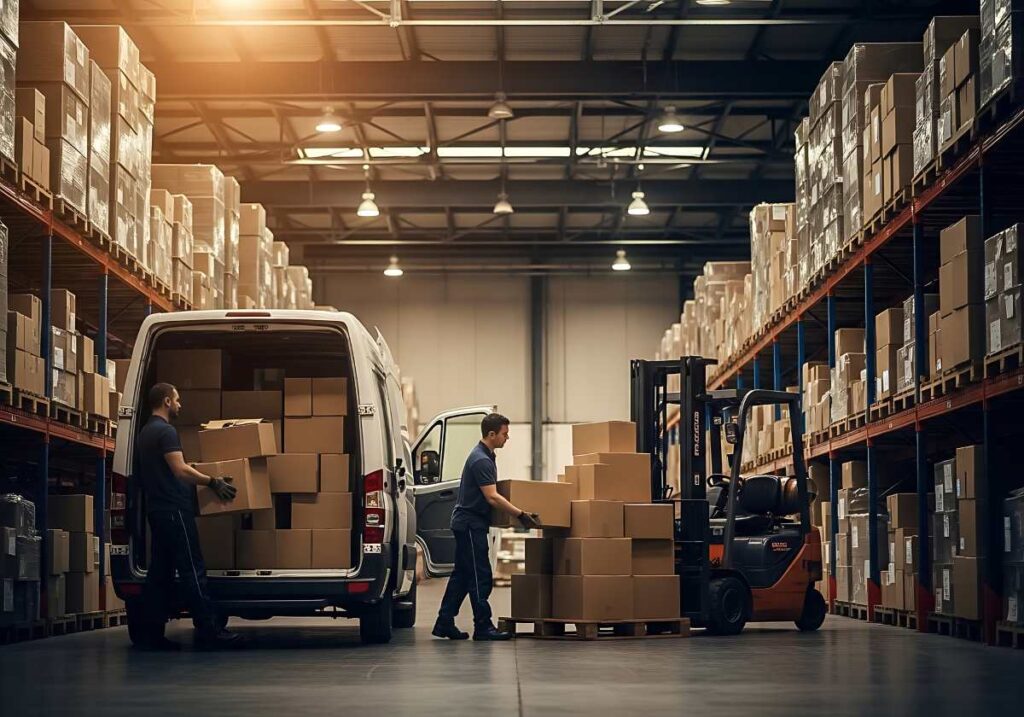
Lithium-ion electric counterbalance forklifts are charging ahead and leading demand in 2026. This is because they suit the widest range of day-to-day warehouse and industrial tasks. They charge faster, have lower maintenance requirements than lead-acid trucks and reduced running costs compared to the internal combustion alternatives. Businesses that operate across multiple shifts will benefit from the ability to charge during breaks rather than swapping batteries as this can make a meaningful difference to productivity.
This category remains popular because it improves familiar day-to-day tasks without requiring a major operational rethink. Many buyers see lithium-ion counterbalance trucks as the strongest all-round investment thanks to their balance of sustainability, performance and predictable running costs.
The appeal of these trucks is also tied to total cost of ownership. Although the upfront spend may be higher than for older internal combustion or lead-acid models, businesses are prepared to pay more for fewer battery-related faults or interruptions, longer battery life and lower servicing needs. In operations where uptime matters most, these benefits are compelling. As more sites upgrade their charging infrastructure and plan around electrified fleets, lithium-ion trucks are moving from being the “sustainable choice” to becoming the standard expectation.
Autonomous and AGV Forklifts: Fast-Growing Forklift Options for Automated Warehouses
Autonomous and AGV forklift solutions are also still in high demand, particularly for high-volume logistics environments. Rising throughput targets, labour shortages and the need for more consistent pallet handling are making automated trucks increasingly more desirable for e-commerce operations and distribution centres. These systems are valuable for repetitive routes, predictable workflows and environments where safety, control and traceability are critical.
Interest in these trucks is no longer limited to pilot projects. In facilities with consistent loads and repetitive routes, automation can reduce product damage, minimise variability and improve process control, especially in manufacturing, distribution and cross-docking environments.
Another reason that AGV forklifts are in demand is their fit with broader warehouse digitisation. Businesses investing in warehouse management systems, telematics and real-time tracking want material handling equipment that can slot into a connected workflow. Autonomous trucks support this by generating data, standardising movement and helping managers plan labour around higher-value tasks. They are not the right fit for every site, but in structured environments they are becoming a serious procurement option rather than just a ‘futuristic’ extra.
Heavy-Duty Electric Forklifts: High-Capacity Forklifts for Demanding Sites
Heavy-duty electric forklifts are moving from niche adoption into mainstream consideration for construction supply operations, demanding industrial yards and ports. Improvements in battery performance and charging infrastructure means that businesses can now consider electric options for workloads that were once dominated by diesel. The appeal of these trucks is clear: reduced emissions, lower servicing requirements and quieter operation without sacrificing lifting performance.
Heavy-duty fleets have traditionally been slower to electrify, but that is changing. Improvements in battery performance and charging infrastructure mean more buyers are now considering electric trucks for demanding outdoor and high-capacity work.
For sectors working under sustainability targets and goals, the commercial case is getting stronger too. Businesses are being asked to reduce carbon impact not only in transport fleets but also across yards, depots and on-site operations. Heavy-duty electric forklifts help support those goals while also improving operator comfort through lower noise and smoother driving characteristics. They may not replace every diesel unit overnight, but they are now firmly part of the buying conversation in ways they were not previously.
Why Demand Is Shifting in 2026
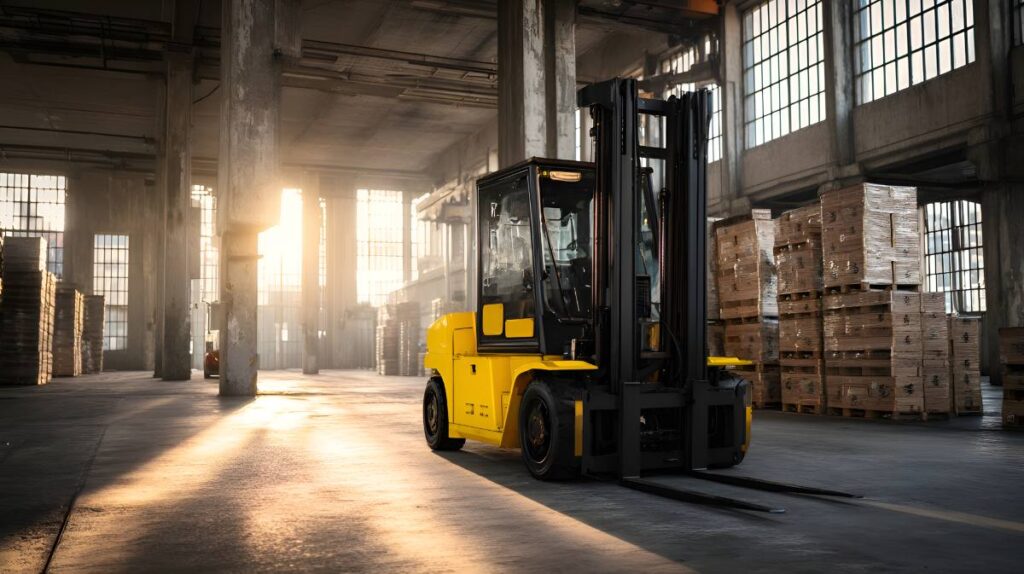
The rise of these forklift categories is not happening in isolation. Across the market, fleet decisions are being shaped by operational, economic and regulatory pressures. The popularity of electric forklifts continues to rise as businesses focus on long-term energy efficiency, cleaner indoor air and compliance with tougher environmental expectations. Industry reporting in 2026 also points to electrification becoming the standard direction of travel in Europe, with electric trucks already accounting for the majority of new sales in several markets.
Automation and telematics are also changing buyer expectations. Forklifts are increasingly becoming viewed as connected assets that support utilisation tracking, predictive maintenance, safety monitoring and better fleet planning.
There is also a practical labour dimension. Logistics and warehouse operators continue to face recruitment and retention pressure, which increases the value of equipment that is easier to use, simpler to maintain and capable of reducing repetitive manual handling tasks. As a result, the forklifts attracting the most demand in 2026 are those that combine operator-friendly design with great efficiency gains. For many, flexibility and resilience now matter just as much as lifting capacity when making buying decisions.
Hydrogen Fuel Cell Forklifts: An Emerging Choice for High-Utilisation Fleets
Hydrogen fuel cell forklifts remain a specialist but increasingly relevant choice in 2026. They are best suited for high-intensity, continuous-shift operations where fast refuelling is essential, and downtime must be kept to an absolute minimum. While infrastructure costs still limit wider adoption, hydrogen is gaining interest from larger operators looking for an alternative to both diesel and conventional battery charging models.
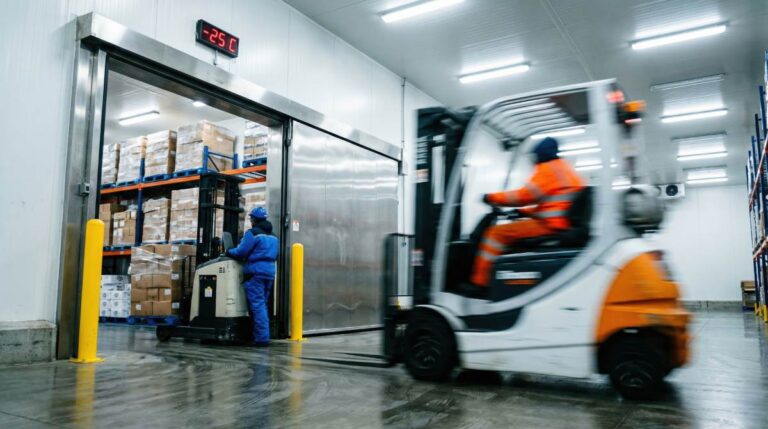
The reason hydrogen remains on the shortlist is simple: speed. In operations where a truck needs to remain available almost continuously, the ability to refuel quickly can be more desirable than scheduling charging windows. That makes hydrogen especially relevant to cold storage environments, large logistics hubs and operations with very high equipment utilisation. For these users, the value lies less in the novelty and more in maintaining flow without sacrificing the move toward lower-emission handling equipment.
That said, hydrogen is unlikely to become the default forklift power source across the market this year. Infrastructure investment, fuel supply and site readiness remain major barriers. As a result, demand is concentrated rather than universal. Even so, hydrogen matters because it gives high-throughput operators another viable route away from internal combustion. In that sense, hydrogen fuel cell forklifts are one of the most important strategic categories in 2026, even if they are not yet the most common.
Best Forklifts for Warehouses, Logistics and Industrial Use: How to Choose
If you are trying to identify the best forklift for your business in 2026, the strongest starting point is always application. For general warehouse use, lithium-ion electric counterbalance forklifts remain the most widely suitable option because they combine flexibility, lower maintenance and dependable all-round performance. For highly structured, high-volume operations, autonomous and AGV forklifts can offer a clear advantage by standardising movement and reducing reliance on manual travel for repetitive tasks.
For harder-working sites, the shortlist changes. Heavy-duty electric forklifts are increasingly attractive where businesses want to reduce emissions without stepping down on lifting capability. Hydrogen fuel cell forklifts, meanwhile, are the most relevant where utilisation is so high that rapid refuelling becomes a major operational benefit. In both cases, the right choice depends on duty cycle, infrastructure and the commercial priorities of the site. The most in-demand forklift is not automatically the best forklift for every application.
What Buyers Should Consider
The popularity of a forklift alone should not drive your purchase. The best choice will always depend on how and where the truck will be used. Load weight, travel distance, floor conditions, shift length, charging access and operator availability all affect which category makes sense. A lithium-ion counterbalance truck may be the strongest all-round choice for many operations, but a site with repetitive fixed routes might gain more from automation, while a high-utilisation, 24hr facility may justify hydrogen or advanced heavy-duty electric models.
Buyers must also look beyond the truck itself. Charging infrastructure, software integration, service support and operator training all play a role in whether a forklift delivers the expected gains in productivity and cost control.
The highest-demand forklifts in 2026 are the ones that help businesses do more with less: less maintenance, less downtime, less wasted energy and less operational friction. For most warehouse and logistics operations, that points directly to lithium-ion electric counterbalance forklifts. In structured, high-volume environments, autonomous and AGV forklifts are becoming increasingly sought after. For tougher and more specialised applications, heavy-duty electric forklifts and hydrogen fuel cell forklifts are gaining momentum as viable alternatives to diesel-led fleets.
For anyone searching for the best forklifts in 2026, the real takeaway is simple: the top forklift types are the ones that align with modern warehousing, logistics and industrial priorities, including electrification, automation, lower total cost of ownership and future-ready fleet planning. Businesses that choose forklifts based on application, uptime and long-term value rather than short-term habits are far more likely to build a fleet that performs today and stays competitive tomorrow.
If you would like to find out more about the forklifts we carry here at Acclaim Handling, please do not hesitate to contact us.
Key Points Summary
| Forklift type | Best fit | Why it matters in 2026 |
| Lithium-ion electric counterbalance forklifts | General warehouse and everyday industrial work | Fast charging, lower maintenance and better uptime make them the strongest all-round choice. |
| Autonomous and AGV forklifts | High-volume, structured warehouse operations | They improve consistency, traceability and labour efficiency in repetitive workflows. |
| Heavy-duty electric forklifts | Ports, yards and demanding outdoor operations | They bring lower emissions and quieter operation to high-capacity work once dominated by diesel. |
| Hydrogen fuel cell forklifts | Continuous-shift, high-utilisation fleets | Fast refuelling helps maintain uptime where charging windows are limited. |
Takeaway: In 2026, the most in-demand forklifts are the ones that improve uptime, reduce emissions, lower operating costs and align with more automated, data-led operations.