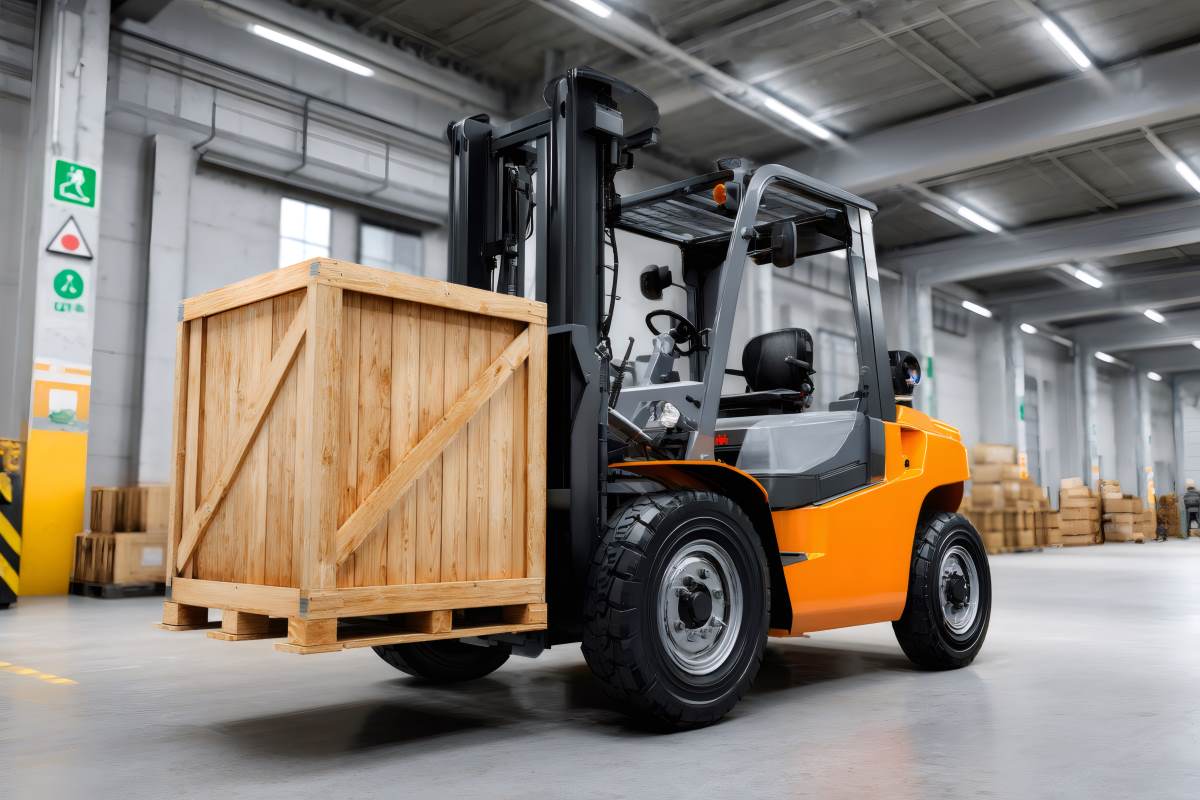
Forklifts rely on hydraulic systems to perform the heavy lifting that makes them indispensable in warehouses, distribution centres, manufacturing facilities, and logistics operations. While operators interact with the controls every day, many people have only a basic understanding of how these systems actually work.
Understanding forklift hydraulics can help operators recognise potential issues early, improve maintenance practices, and appreciate why regular servicing is essential for safe and efficient operation.
What Is a Forklift Hydraulic System?
A hydraulic system uses pressurised fluid to generate force and movement. In a forklift, this system provides the power needed to raise, lower, tilt, and position loads.
Hydraulics allow a relatively small amount of input force to move substantial weights. Without hydraulic technology, forklifts would not be capable of handling the heavy pallets and materials commonly found in industrial environments.
The system converts mechanical energy from the engine or electric motor into hydraulic energy, which is then used to move various lifting components.
The Main Components of a Forklift Hydraulic System
Although designs vary between manufacturers and models, most forklift hydraulic systems contain the same core components.
Hydraulic Pump
The hydraulic pump is the heart of the system. Driven by the forklift’s engine or electric motor, it draws hydraulic fluid from the reservoir and creates the pressure required for operation.
Without the pump, hydraulic fluid would not move through the system and the forklift would be unable to lift or tilt loads.
Hydraulic Fluid Reservoir
The reservoir stores the hydraulic oil used throughout the system.
Hydraulic fluid serves several important functions:
- Transmits power
- Lubricates moving components
- Helps dissipate heat
- Protects against corrosion
- Reduces wear within the system
Maintaining the correct fluid level is essential for reliable forklift performance.
Control Valves
Control valves direct the flow of hydraulic fluid to different parts of the forklift.
When an operator moves a control lever, the corresponding valve opens or closes, allowing fluid to travel where it is needed. This enables precise control over lifting, lowering, and mast tilting functions.
Hydraulic Cylinders
Hydraulic cylinders convert fluid pressure into linear movement.
As pressurised fluid enters a cylinder, it pushes against a piston, creating force. This force allows the forklift to raise loads weighing hundreds or even thousands of kilograms.
Hydraulic Hoses and Lines
A network of hoses and metal lines transports hydraulic fluid between components.
These hoses operate under significant pressure and must remain in good condition to prevent leaks, pressure loss, and system failures.
Mast and Lift Chains
Although not hydraulic components themselves, the mast and lift chains work alongside the hydraulic cylinders to raise and lower loads safely.
The hydraulic cylinders provide the force, while the mast structure guides movement and maintains stability.
How a Forklift Hydraulic System Works
The process begins when the operator activates a lifting or tilting control.
The hydraulic pump sends pressurised fluid from the reservoir through the control valves. Depending on the selected function, the valves direct the fluid into the appropriate hydraulic cylinder.
Inside the cylinder, fluid pressure pushes the piston, creating movement. For lifting operations, this movement extends the lift cylinders, raising the forks and load. For mast tilting, hydraulic pressure adjusts the angle of the mast.
When the operator lowers the load, valves release hydraulic pressure in a controlled manner, allowing fluid to return to the reservoir while gravity assists the lowering process.
This simple but highly effective principle allows forklifts to move heavy materials with remarkable precision.
Why Hydraulic Systems Are So Important
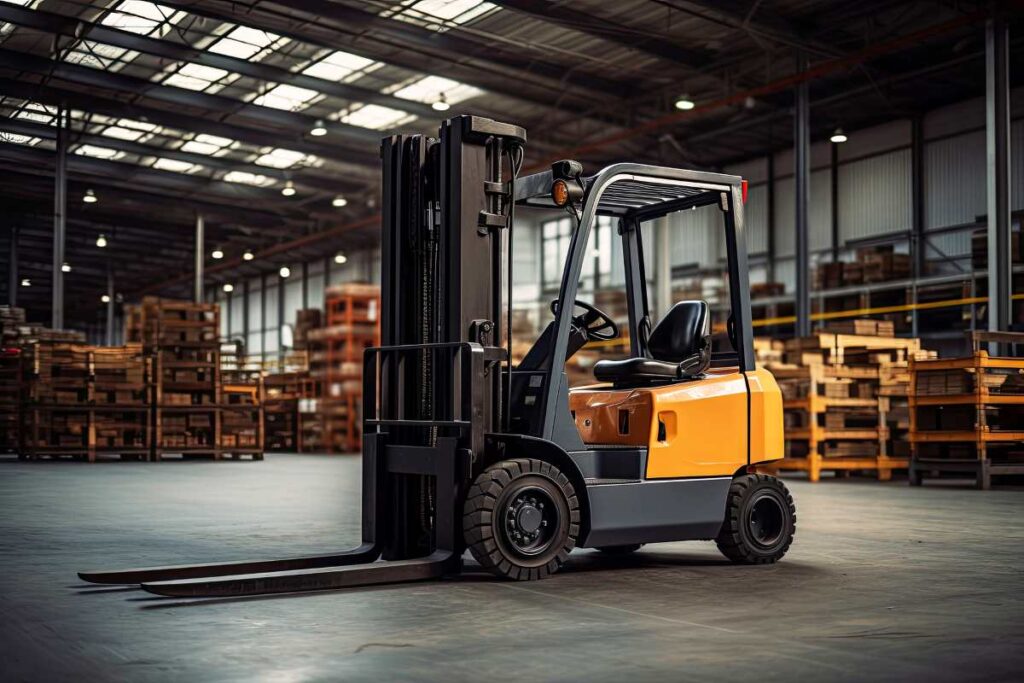
Hydraulic systems deliver several advantages that make them ideal for material handling equipment.
High Power Output
Hydraulics generate substantial force relative to their size, enabling forklifts to lift heavy loads without requiring excessively large motors or engines.
Smooth Operation
The controlled flow of hydraulic fluid allows operators to position loads accurately, reducing the risk of product damage and improving workplace safety.
Reliability
When properly maintained, hydraulic systems can operate effectively for many years under demanding conditions.
Versatility
Hydraulics power more than just lifting functions. Many specialised attachments also rely on hydraulic pressure to perform specific tasks.
Businesses looking to increase operational efficiency often invest in forklift attachments for productivity, many of which integrate directly with the forklift’s hydraulic system to expand its capabilities.
Common Hydraulic System Problems
Like any mechanical system, forklift hydraulics can develop faults over time.
Hydraulic Fluid Leaks
Leaks are among the most common hydraulic issues. Damaged hoses, worn seals, and loose fittings can all allow fluid to escape.
Even minor leaks can reduce system efficiency and eventually lead to equipment downtime.
Contaminated Hydraulic Fluid
Dirt, moisture, and debris can contaminate hydraulic oil, causing increased wear and reducing performance.
Contaminated fluid may also damage pumps, valves, and cylinders if left unchecked.
Overheating
Excessive heat can degrade hydraulic fluid and damage system components.
Common causes include low fluid levels, restricted airflow, overloading, and worn hydraulic parts.
Slow or Weak Lifting
If a forklift struggles to lift loads or operates more slowly than usual, the cause may be low hydraulic pressure, worn cylinders, fluid contamination, or pump problems.
Early diagnosis can often prevent more extensive repairs later.
The Importance of Hydraulic System Maintenance
Regular maintenance plays a critical role in hydraulic system performance and longevity.
Routine inspections should include:
- Checking hydraulic fluid levels
- Inspecting hoses for damage or wear
- Looking for leaks
- Monitoring cylinder condition
- Replacing filters when required
- Testing system performance
Preventative maintenance helps reduce unexpected breakdowns, improve safety, and extend equipment lifespan.
Professional servicing is particularly important because hydraulic issues are not always visible during day-to-day operation. Small problems can develop gradually before becoming significant failures.
Investing in professional industrial machinery servicing for logistics operations helps ensure hydraulic systems continue operating safely and efficiently while minimising costly downtime.
Final Thoughts
Forklift hydraulic systems are responsible for the lifting, tilting, and positioning functions that make modern material handling possible. By using pressurised fluid to generate force, these systems enable forklifts to move heavy loads safely and efficiently across a wide range of industries.
Understanding how hydraulic components work together can help operators identify potential issues, improve equipment care, and support safer workplace practices. Combined with regular inspections and professional servicing, a well-maintained hydraulic system can deliver reliable performance for many years while helping businesses maximise productivity and minimise operational disruption.

Related Posts
10 Useful Forklift Attachments for Safer, More Efficient Material Handling

7 Common Forklift Brake Problems and How to Fix Them
10 Common Electric Forklift Problems
6 Hidden Costs of Buying a Forklift — and How to Avoid Them

Complete Warehouse Relocation Checklist