On this page
- What Is a Forklift?
- What Is a Telehandler?
- Key Differences Between Forklifts and Telehandlers
- Indoor vs Outdoor Applications
- Lifting Capacity Considerations
- Attachments and Versatility
- Ground Conditions Matter
- Cost Considerations
- Maintenance and Servicing Requirements
- Which Machine Is Right for Your Business?
- Conclusion
When selecting lifting equipment for a warehouse, construction site, agricultural operation, or industrial facility, one of the most common questions is whether a forklift or a telehandler is the better choice.
At first glance, the two machines appear to perform similar tasks. Both are designed to lift, transport, and position loads. However, their capabilities, operating environments, and ideal applications differ significantly.
Choosing the wrong equipment can reduce productivity, increase operating costs, and create unnecessary challenges on site. Understanding the strengths and limitations of each machine is essential when deciding which option best suits your requirements.
What Is a Forklift?
A forklift is a material handling vehicle designed primarily for lifting and transporting loads over relatively short distances.
The defining feature of a forklift is its pair of forks mounted on a vertical mast at the front of the vehicle. The mast allows loads to be raised and lowered, making forklifts ideal for stacking pallets, loading vehicles, and moving goods within warehouses and industrial environments.
Common forklift types include:
- Counterbalance forklifts
- Reach trucks
- Pallet stackers
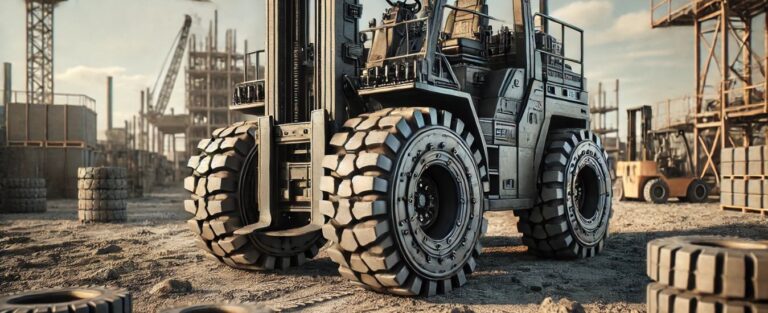
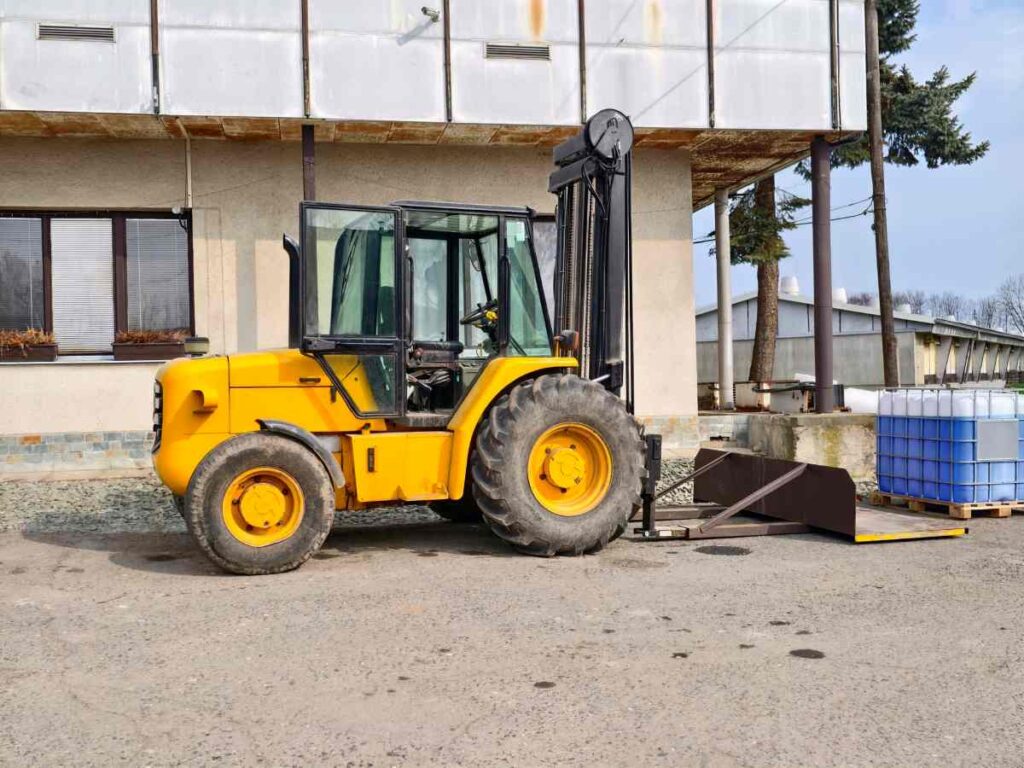
- Rough terrain forklifts
- Electric forklifts
- Diesel forklifts
- LPG forklifts
Forklifts are widely used because they offer excellent manoeuvrability, efficiency, and lifting performance in controlled working environments.
What Is a Telehandler?
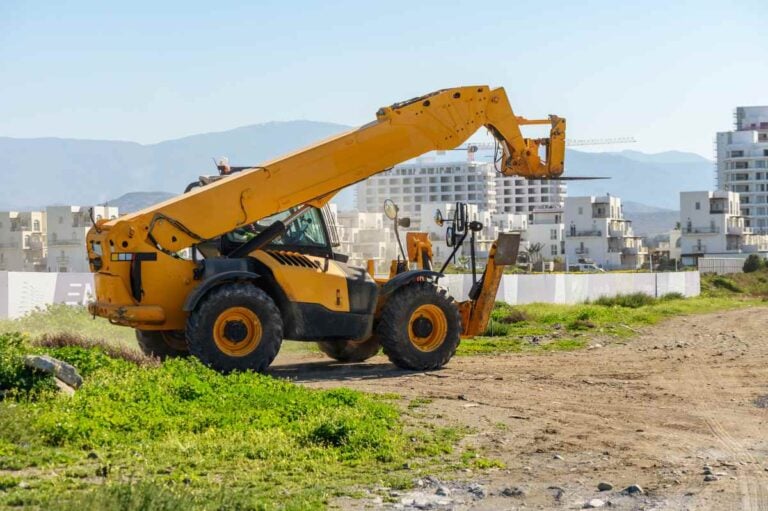
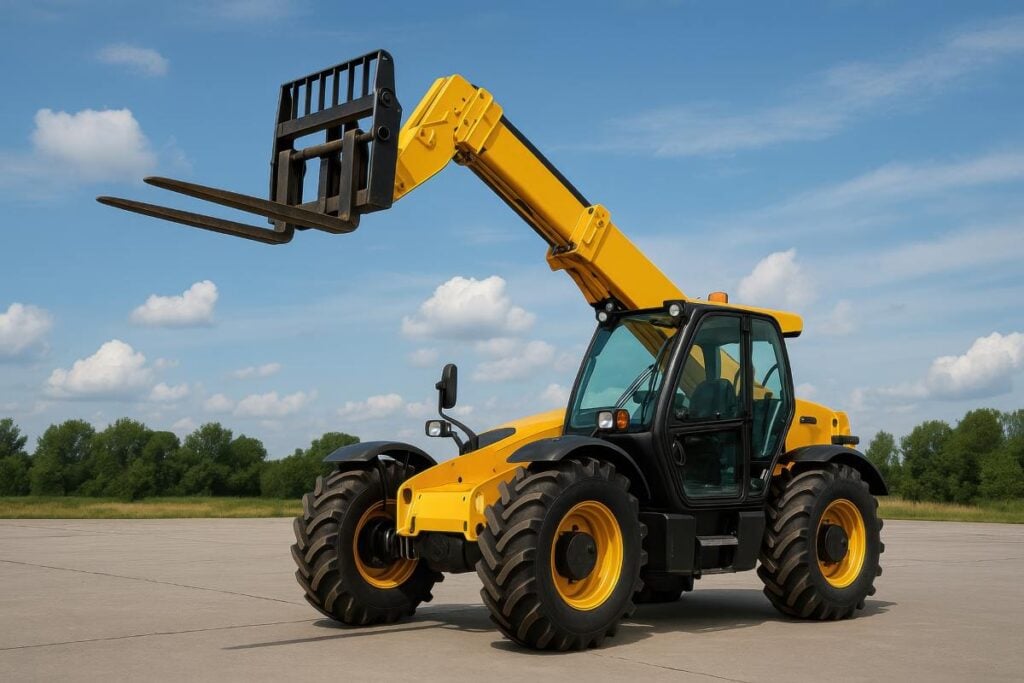
A telehandler, or telescopic handler, combines aspects of a forklift and a crane.
Instead of a fixed vertical mast, a telehandler uses a telescopic boom that can extend forwards and upwards. This gives the machine significantly greater reach than a conventional forklift.
Telehandlers are commonly used in:
- Construction
- Agriculture
- Infrastructure projects
- Outdoor material handling
- Building maintenance
The ability to extend loads both vertically and horizontally makes telehandlers particularly useful when materials need to be positioned in locations that would be inaccessible to a standard forklift.
Key Differences Between Forklifts and Telehandlers
Although both machines are used for lifting operations, their designs reflect very different priorities.
Reach and Lifting Height
One of the biggest differences is reach.
Forklifts lift loads vertically using a mast system. While some models can achieve considerable lifting heights, they are generally designed to keep loads close to the vehicle.
Telehandlers, by contrast, use extending booms that allow operators to place materials at greater heights and distances.
This makes telehandlers particularly valuable for tasks such as:
- Placing building materials on upper floors
- Loading materials onto elevated structures
- Accessing difficult-to-reach areas
- Working around obstacles
If horizontal reach is a requirement, a telehandler will typically offer greater flexibility.
Manoeuvrability
Forklifts are generally more manoeuvrable than telehandlers.
Warehouse environments often involve:
- Narrow aisles
- Tight turning areas
- Dense storage layouts
- Frequent directional changes
Forklifts are specifically designed for these conditions and can operate efficiently within confined spaces.
Telehandlers are larger machines that require more room to manoeuvre. While many models feature multiple steering modes, they are typically better suited to open environments than narrow warehouse aisles.
Indoor vs Outdoor Applications
The intended operating environment often plays a major role in equipment selection.
Where Forklifts Excel
Forklifts are particularly effective in:
- Warehouses
- Distribution centres
- Manufacturing facilities
- Retail storage environments
- Loading bays
Their compact dimensions and efficient load handling make them ideal for indoor material movement.
Electric forklifts are especially popular because they produce no exhaust emissions and operate quietly within enclosed spaces.
Where Telehandlers Excel
Telehandlers are designed primarily for outdoor use.
They perform well in environments such as:
- Construction sites
- Agricultural operations
- Infrastructure projects
- Building developments
- Uneven terrain
The larger tyres, increased ground clearance, and extended reach capabilities make telehandlers more suitable for demanding outdoor conditions.
Lifting Capacity Considerations
Both forklifts and telehandlers are available in a range of lifting capacities.
However, lifting capacity behaves differently between the two machines.
With a forklift, capacity is generally more consistent because the load remains close to the vehicle’s centre of gravity.
With a telehandler, lifting capacity may decrease as the boom extends further outward. Operators must carefully follow load charts to ensure safe operation at different boom positions.
Understanding these limitations is essential when evaluating lifting requirements.
Attachments and Versatility
Telehandlers are often considered more versatile because they can accommodate a wider range of attachments.
Depending on the model, a telehandler may be fitted with:
- Forks
- Buckets
- Crane hooks
- Work platforms
- Sweepers
- Grabs
This flexibility allows a single machine to perform multiple tasks across a site.
Forklifts can also use various attachments, but their applications are generally more focused on pallet handling and material transport.
Ground Conditions Matter
Surface conditions are another important factor.
Standard warehouse forklifts perform best on:
- Concrete floors
- Smooth warehouse surfaces
- Loading bays
- Paved operational areas
Uneven ground, mud, gravel, and rough terrain can significantly affect performance.
For outdoor operations, businesses may benefit from using rough terrain forklifts for outdoor lifting tasks, which are specifically designed to operate on more challenging surfaces while retaining many of the advantages of traditional forklift designs.
Telehandlers generally offer superior performance on rough terrain due to their larger wheels, enhanced suspension, and off-road capabilities.
Cost Considerations
The cost difference between forklifts and telehandlers can be significant.
Forklifts are often the more economical option for businesses focused on:
- Warehouse operations
- Routine pallet handling
- Indoor logistics
- High-volume material movement
Telehandlers typically involve higher acquisition and operating costs due to their size, complexity, and specialised capabilities.
For businesses that do not require extended reach or rough-terrain performance, a forklift may provide better overall value.
Maintenance and Servicing Requirements
Like any piece of material handling equipment, both forklifts and telehandlers require regular maintenance to ensure safe and efficient operation.
Routine servicing helps:
- Reduce downtime
- Improve reliability
- Extend equipment lifespan
- Maintain safety standards
- Protect long-term investment value
Because telehandlers include additional hydraulic and boom components, maintenance requirements can sometimes be more complex than those associated with standard forklifts.
Whether operating forklifts, telehandlers, or a mixed fleet, investing in professional forklift repairs from Acclaim Handling can help keep equipment operating safely and efficiently while reducing the risk of costly breakdowns.
Which Machine Is Right for Your Business?
In many cases, the choice comes down to the working environment and the nature of the tasks being performed.
A forklift is usually the better option when:
- Working primarily indoors
- Handling palletised goods
- Operating in narrow aisles
- Prioritising manoeuvrability
- Managing warehouse logistics
A telehandler is often the better choice when:
- Working outdoors
- Lifting materials to significant heights
- Requiring forward reach
- Operating on rough terrain
- Performing varied construction or agricultural tasks
The right decision depends on understanding the specific demands of your operation.
Conclusion
Forklifts and telehandlers both play important roles in modern material handling, but they are designed for different environments and applications.
Forklifts excel in warehouses and controlled industrial settings where manoeuvrability, efficiency, and pallet handling are priorities. Telehandlers offer greater reach, versatility, and off-road capability, making them well suited to construction, agriculture, and outdoor projects.
By carefully assessing your lifting requirements, operating environment, and long-term operational goals, you can select the equipment that delivers the best combination of safety, productivity, and value for your business.