On this page
- Why Sustainable Forklift Practice Matters
- 1. Choose the Right Power Source
- 2. Drive Efficiently to Reduce Energy Waste
- 3. Charge Smarter, Not Just More Often
- 4. Maintain Equipment for Longer Life
- 5. Use Telematics and Data to Improve Behaviour
- 6. Train Operators in Eco-Friendly Working Habits
- 7. Reduce Waste Across the Wider Warehouse
- How to Build a Sustainable Forklift Action Plan
- Promoting a Greener Forklift Culture
- Ready to Make Forklift Operations More Sustainable?
- Article Summary: Sustainable Forklift Practices at a Glance
Forklifts are essential to modern warehousing, logistics, manufacturing and yard operations—but the way they are selected, powered, maintained and operated can make a measurable difference to both environmental performance and operating costs. As businesses work towards lower emissions, cleaner workplaces and more efficient supply chains, forklift users are in a strong position to lead practical sustainability improvements every day.
Why Sustainable Forklift Practice Matters
Sustainable forklift practice is no longer just a “nice to have”. It helps organisations reduce energy use, improve indoor air quality, protect operators, limit waste, extend equipment life and create a more responsible working environment. Electric and alternative-energy forklifts can reduce emissions at the point of use, while better driving habits, planned maintenance and smart fleet management help make every shift more efficient.
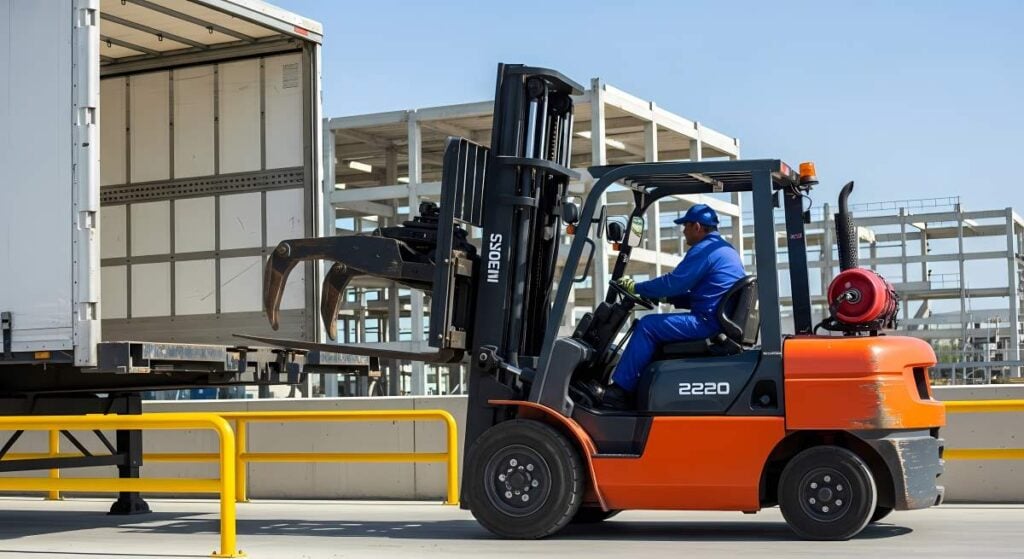
For many sites, the forklift fleet is one of the most visible parts of day-to-day operations. Trucks move raw materials, finished goods, packaging, pallets and waste streams, often travelling the same routes hundreds of times each week. That repeated activity means even small changes can create a large cumulative impact. A smoother driving style, a better charging routine or a more efficient truck specification may seem minor in isolation, but across months and years it can reduce energy consumption, improve uptime and support wider environmental targets.
There is also a strong commercial case. Sustainable forklift practices often overlap with good operational discipline: fewer impacts, less product damage, reduced fuel or electricity waste, lower maintenance spend and safer traffic management. In this sense, sustainability should not be treated as a separate initiative. It should be built into everyday working standards, from operator training and pre-use checks to fleet purchasing and warehouse layout decisions.
1. Choose the Right Power Source
One of the biggest sustainability decisions for forklift users is the choice of energy. Electric forklifts produce no direct exhaust emissions during operation, making them especially well-suited to indoor warehouses, distribution centres and enclosed production spaces. They are typically quieter than diesel or LPG alternatives, helping reduce workplace noise and support clearer communication on busy sites.
Lithium-ion batteries can further improve efficiency by offering faster charging, opportunity charging during breaks and consistent power delivery across a shift. Lead-acid batteries remain a practical option for some operations, particularly where charging routines are simple and recycling processes are in place. Hydrogen, biofuels and other alternative fuels may also suit heavier-duty or outdoor applications where electric charging infrastructure is not yet practical.
The right choice depends on the working environment. Indoor warehouses with predictable routes may benefit most from electric trucks and planned charging windows. Outdoor yards, uneven surfaces or heavy-duty applications may need a different balance of power, endurance and charging infrastructure. Before changing equipment, businesses should review lift capacities, travel distances, gradients, surface conditions, shift patterns and access to charging. This avoids replacing one inefficiency with another and ensures the selected forklift is genuinely suited to the job.
2. Drive Efficiently to Reduce Energy Waste
Operators can make an immediate difference through smoother, more controlled driving. Avoiding harsh acceleration, sudden braking and unnecessary idling reduces energy consumption, wear on tyres and stress on key components. Good route planning also matters; shorter travel distances, fewer unnecessary lifts and clear traffic routes all help lower energy demand across the fleet.
Regenerative braking, where fitted, can help recover energy during deceleration and return it to the battery. To get the full benefit, operators should be trained to drive smoothly and anticipate stops rather than treating the system as a substitute for careful operation.
Eco-driving should be presented as a professional skill, not simply a cost-cutting measure. Operators who drive with anticipation are often safer, more productive and less likely to damage goods, racking or equipment. Practical training can include maintaining safe speeds, reading the route ahead, reducing unnecessary reversing, avoiding aggressive hydraulic movements and selecting the safest line through tight areas. These habits support sustainability because they reduce wasted motion as well as avoidable repair and replacement.
3. Charge Smarter, Not Just More Often
A sustainable charging routine protects batteries, reduces downtime and supports lower energy costs. Forklift users should follow manufacturer guidance, avoid unnecessary overcharging and plan charging around shift patterns. Where possible, businesses can schedule charging during off-peak periods or use renewable electricity tariffs to reduce the environmental impact of fleet operations.
Charging areas should be clearly marked, well-ventilated where required and kept free from obstruction. A tidy, safe and consistent charging process helps operators avoid damage, reduce wasted time and keep equipment ready for productive use.
Charging discipline becomes especially important as fleets grow. A poorly managed charging process can lead to queues, unnecessary downtime, damaged connectors, shortened battery life and avoidable energy demand at peak times. Clear rules on when to charge, who is responsible, how to park trucks and how to report charging faults help create consistency. Where lithium-ion batteries are used, opportunity charging can be valuable, but it should still be planned so that operators do not interrupt work unnecessarily or block charging areas.
4. Maintain Equipment for Longer Life
Regular maintenance is one of the most effective green initiatives for forklift users. Well-maintained trucks operate more efficiently, use less energy and are less likely to suffer avoidable breakdowns. Daily pre-use checks should cover tyres, forks, chains, mast movement, lights, warning devices, leaks, battery condition and any visible damage.
Tyre condition is particularly important. Underinflated, worn or damaged tyres increase rolling resistance, reduce stability and place extra strain on the truck. Keeping tyres in good condition supports safety, lowers energy use and extends the life of both the forklift and the floor surface.
Maintenance also has a waste-prevention role. Replacing damaged parts, batteries or tyres too late can increase energy consumption and create safety concerns; replacing them too early can generate unnecessary waste and cost. The best approach is planned, evidence-led maintenance supported by operator feedback. Drivers should be encouraged to report unusual noises, reduced lifting performance, braking changes, steering issues or visible damage as soon as they notice them. Early reporting keeps trucks efficient and reduces the likelihood of larger failures.
5. Use Telematics and Data to Improve Behaviour
Telematics systems can help businesses understand how forklifts are being used in real time. Data on impact events, idle time, utilisation, charging patterns and travel routes can highlight opportunities to reduce waste and improve safety. When used constructively, this information supports better training, more efficient fleet sizing and smarter maintenance planning.
However, data must be used positively. If operators feel telematics is only a monitoring tool, they may see sustainability targets as criticism rather than improvement. The best results come when data is used to identify trends, celebrate progress and remove barriers. For example, high idle time may indicate poor route planning or waiting points rather than careless behaviour. Frequent impacts may reveal blind spots, congestion or inadequate pedestrian separation. Interpreting the data fairly helps turn insight into practical change.
6. Train Operators in Eco-Friendly Working Habits
- Plan movements before setting off: reduce unnecessary travel and avoid repeated trips to the same location.
- Drive smoothly: steady acceleration and controlled braking lower energy use and reduce wear.
- Switch off when not in use: avoid unnecessary idling or leaving equipment powered when parked.
- Report faults early: small issues can quickly become wasteful, expensive or unsafe if ignored.
- Handle loads correctly: stable, balanced loads reduce rework, product damage and energy wasted on repeated movements.
- Keep routes clear: tidy aisles, good housekeeping and efficient layouts reduce delays and unnecessary manoeuvring.
Training should be refreshed regularly and linked to real workplace examples. Toolbox talks can focus on one theme at a time, such as reducing idle time, checking tyre condition, reporting battery faults or preventing damaged packaging. Supervisors can reinforce these messages by recognising good practice and making sustainable behaviour part of normal performance conversations. The aim is to make efficient operation feel routine rather than optional.
7. Reduce Waste Across the Wider Warehouse
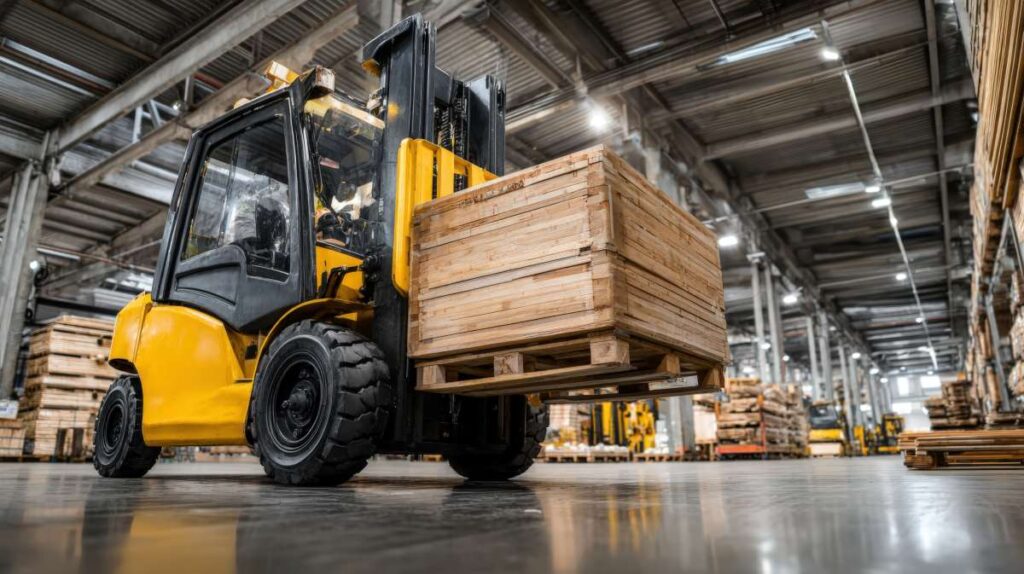
Forklift sustainability works best when it is supported by the wider warehouse environment. Efficient lighting, clear layouts, recycling systems and responsible packaging all reduce the overall environmental impact of material handling. LED lighting and smart sensors can cut energy use, while better racking design and slotting strategies reduce travel distances and improve picking efficiency.
Businesses should also review packaging waste, pallet reuse, damaged stock handling and disposal routines. Reducing product damage through careful forklift operation is a sustainability win: every damaged pallet, broken item or wasted shipment represents lost materials, wasted energy and avoidable cost.
Layout improvements are particularly powerful because they influence every forklift journey. If fast-moving goods are stored closer to dispatch, if one-way systems reduce conflict points, and if waste collection points are placed logically, trucks travel less distance and complete tasks with fewer interruptions. Better housekeeping also supports battery life and equipment condition by reducing debris, impacts and avoidable strain.
These initiatives do not all need to be implemented at once. A practical approach is to divide them into quick wins, medium-term improvements and longer-term investments. Quick wins might include clearer charging rules, daily checks, eco-driving reminders and housekeeping standards. Medium-term actions could involve route redesign, telematics reviews, tyre management and refresher training. Longer-term investments may include fleet electrification, renewable energy, lithium-ion battery adoption or full warehouse layout redesign.
How to Build a Sustainable Forklift Action Plan
A successful action plan starts with measurement. Businesses should record the number and type of forklifts in use, typical operating hours, fuel or electricity consumption, maintenance costs, accident or impact reports, product damage levels and battery replacement cycles. This baseline makes it easier to identify the highest-impact opportunities and demonstrate improvement over time.
The next step is to involve the people who use the equipment every day. Operators often know where time is lost, where routes are awkward, which trucks are inefficient and which charging routines cause delays. Their feedback can reveal practical improvements that may not be visible from reports alone. Involving operators also increases buy-in because sustainability becomes something done with the team, not imposed on them.
Finally, targets should be realistic and specific. Instead of a broad aim to “be greener”, a site could aim to reduce idle time by a set percentage, cut avoidable product damage, improve pre-use check completion, lower charging faults or transition selected trucks to electric power when they reach replacement age. Clear targets make progress visible and help sustainability compete with other operational priorities.
Promoting a Greener Forklift Culture
Sustainable forklift practice succeeds when it becomes part of everyday working culture. Operators, supervisors, maintenance teams and managers all have a role to play; choosing the right equipment, using it efficiently, maintaining it properly and measuring progress over time. Small improvements made consistently—one smoother journey, one avoided idle period, one early fault report—can add up to significant savings across a full fleet.
For forklift users, sustainability is not about compromising productivity. It is about working smarter: reducing waste, protecting people, lowering emissions and improving operational performance at the same time. By adopting electric and efficient technologies, investing in operator training, monitoring fleet data and maintaining equipment carefully, businesses can create cleaner, safer and more cost-effective material handling operations.
Culture is sustained through repetition. Posters, shift briefings, refresher training and supervisor walkarounds can all reinforce the same simple message: efficient forklift use protects people, products, equipment and the environment. When sustainability is connected to familiar goals such as safety, reliability and cost control, it becomes easier for teams to understand and maintain.
Ready to Make Forklift Operations More Sustainable?
Whether you are reviewing a single truck or planning a full fleet transition, now is the time to make sustainability part of your forklift strategy. Assess your current equipment, identify quick wins, train your team and choose solutions that support long-term efficiency. A greener forklift operation can reduce costs, improve workplace conditions and help your business move confidently towards a more sustainable future.
The most effective changes are usually the ones that become normal working practice. Start with what can be improved today, measure the results, then use those results to support bigger decisions about equipment, energy and site design. Forklift users have a daily opportunity to make material handling cleaner, safer and more efficient—and every well-planned movement contributes to a more sustainable operation.
Article Summary: Sustainable Forklift Practices at a Glance
| Article Area | Key Sustainable Practice | Practical Action | Expected Benefit |
| Power source | Choose lower-emission equipment suited to the task. | Review whether electric, lithium-ion, hydrogen, biofuel or other alternatives fit the site’s workload, routes and charging infrastructure. | Reduces direct emissions, improves indoor air quality and can lower running costs. |
| Efficient driving | Operate forklifts smoothly and avoid wasted movement. | Train operators to reduce harsh acceleration, sudden braking, unnecessary reversing and long idle periods. | Lowers energy use, protects components and reduces product or racking damage. |
| Charging routine | Charge batteries in a planned and disciplined way. | Schedule charging around shifts, avoid overcharging and keep charging areas clear, safe and accessible. | Extends battery life, reduces downtime and supports lower electricity waste. |
| Maintenance | Keep trucks in efficient, safe working condition. | Complete daily pre-use checks, maintain tyres, follow service schedules and report faults early. | Improves reliability, reduces avoidable repairs and extends equipment life. |
| Telematics and data | Use operational data to identify improvement opportunities. | Monitor idle time, impacts, utilisation, charging patterns and route efficiency. | Supports better training, fleet sizing, maintenance planning and behaviour change. |
| Operator training | Make eco-friendly working habits part of normal practice. | Use inductions, toolbox talks and refresher sessions to reinforce smooth driving, fault reporting and efficient load handling. | Builds consistent habits that improve safety, productivity and sustainability. |
| Warehouse waste reduction | Support forklift efficiency through the wider workplace layout. | Improve housekeeping, reuse pallets, recycle packaging, optimise storage layouts and reduce unnecessary travel distances. | Cuts waste, improves traffic flow and reduces energy used in repeated movements. |
| Action planning | Measure progress and set realistic targets. | Track energy use, maintenance costs, damage reports, idle time and operator feedback before setting practical goals. | Makes improvements visible and helps prioritise the highest-impact changes. |
| Workplace culture | Embed sustainability into daily routines. | Use briefings, posters, supervisor support and repeated reminders to connect sustainability with safety, cost control and reliability. | Creates lasting behaviour change and makes greener forklift use part of everyday operations. |