Four terms get used interchangeably and they are not the same thing. This page sorts them out in one place. If you only read one section, read the table. To book a thorough examination, see our LOLER inspection service.
The short answer
LOLER is the law. The thorough examination is the thing the law asks you to do. They are not alternatives, and you do not choose between them.
PUWER is a second law covering the rest of the machine. A service is maintenance and is not a legal inspection at all.
LOLER is why the examination happens. PUWER is why it covers the brakes too. A service is not part of either.
All four, side by side
| LOLER 1998 | PUWER 1998 | Thorough examination | Service | |
|---|---|---|---|---|
| What it is | A regulation | A regulation | An inspection | Maintenance |
| Covers | The lifting function: forks, carriage, chains, mast, hydraulics | The machine as work equipment: brakes, steering, tyres, guarding | Whatever scope is specified, LOLER only or LOLER and PUWER | Oils, filters, adjustments, wear items |
| Legally required | Yes | Yes | Yes, by LOLER | No, but expected as part of maintaining equipment |
| Interval | Sets 6 or 12 months | No fixed interval | 6 or 12 months, or per a scheme | By hours or months, set by you |
| Produces | — | — | A report of thorough examination | A service record |
| Who does it | — | — | A competent person | An engineer |
The confusion that costs money
The expensive one is believing a service covers the legal duty. It does not, and the two are easy to confuse because the same engineer may do both, on the same day, on the same machine. That comparison has a page of its own: thorough examination vs service.
The test is simple: ask what document you were given. A service record says what work was done. A report of thorough examination says the machine was examined, what was found and when the next one is due. If you cannot produce the second, you have a gap, whatever the first one says.
The other common one is assuming a LOLER-only examination is the whole job. Items 1 to 10 cover the lifting side. The brakes and steering sit in PUWER, in items 11 to 19. A CFTS Thorough Examination covers both in one visit and produces one report, which is exactly why the scheme exists.
Still not sure which of these you are being sold? Tell us what your paperwork says and we will tell you what you have.
Which do I need?
- A forklift in normal use. A full thorough examination every 12 months, covering LOLER and PUWER, plus planned servicing on its own schedule.
- A forklift with a working platform, or a MEWP. Same, but every 6 months, because it lifts people.
- Slings, chains and shackles. Thorough examination every 6 months as lifting accessories.
- A machine that has been damaged, modified or stood unused. An examination now, regardless of when the last one was.
- A machine you have hired in. Ask for its report before it works. You must not use it without physical evidence that the last examination has been carried out.
Full detail on each: LOLER regulations, LOLER inspections and thorough examinations, and thorough examination vs service.
Is a “LOLER certificate” a real thing?
People do say it, and they generally mean the report of thorough examination. The regulations talk about a report, not a certificate.
It is not worth arguing about the word, but it is worth checking that the document does the job: it should identify the machine, record what was examined, state any defect and the time by which it must be put right, and say when the next examination is due. If what you hold is a one-line certificate with none of that, ask for the report.
Where operator training fits
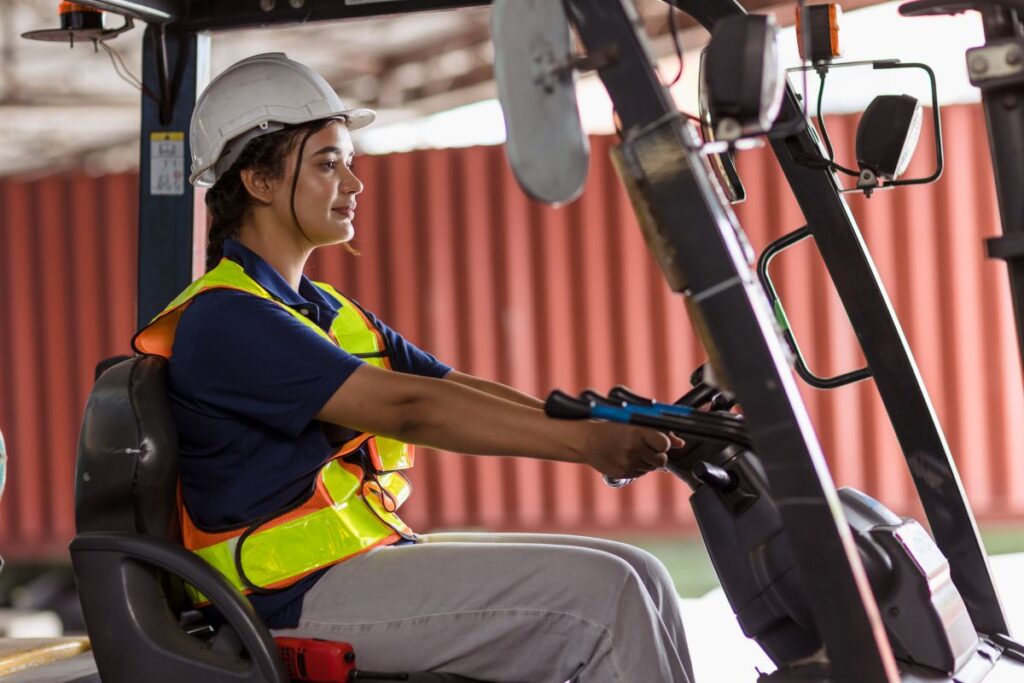
None of the above covers the operator, but PUWER does. It requires that work equipment is used only by people who have received adequate training, which for lift trucks means accredited operator training for the category of machine, refresher training at sensible intervals, and the employer authorising the operator in writing.
A perfectly examined truck driven by an untrained operator is still a breach. We run RTITB accredited training matched to the machine: counterbalance, reach truck, very narrow aisle, powered pallet truck and more at forklift training courses.
Still not sure what you have?
Tell us what your paperwork says and we will tell you what it is. If you would rather check the whole picture, am I compliant is a practical self-check, and health, safety and compliance covers the wider duty.
Still not sure which of these you are being sold? Tell us what your paperwork says and we will tell you what you have.
Clearing up the confusion
Eight depots across the UK
Our own engineers, out of our own depots - wherever you are, service comes from us.
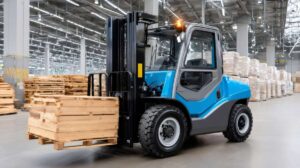
Talk to us about LOLER, Thorough Examination, PUWER and a Service: What Is the Difference?
Monday to Friday, 8:00am to 5:00pm.
Additional Services
Checkout our range of other machine services below