On this page
In the world of logistics and warehousing, there is a distinct sound that every manager dreads: the sudden, metallic clunk of a forklift failing in the middle of a high-pressure shift. It’s usually followed by a long silence, a frustrated operator, and the realisation that the day’s schedule is about to go off the rails.
Most people look at the pre-shift inspection as a tedious bit of paperwork-a box-ticking exercise required by health and safety officers to keep the insurance company happy. But if you shift your perspective, you’ll realise that those five minutes at the start of the day are actually the most profitable minutes of your entire shift.
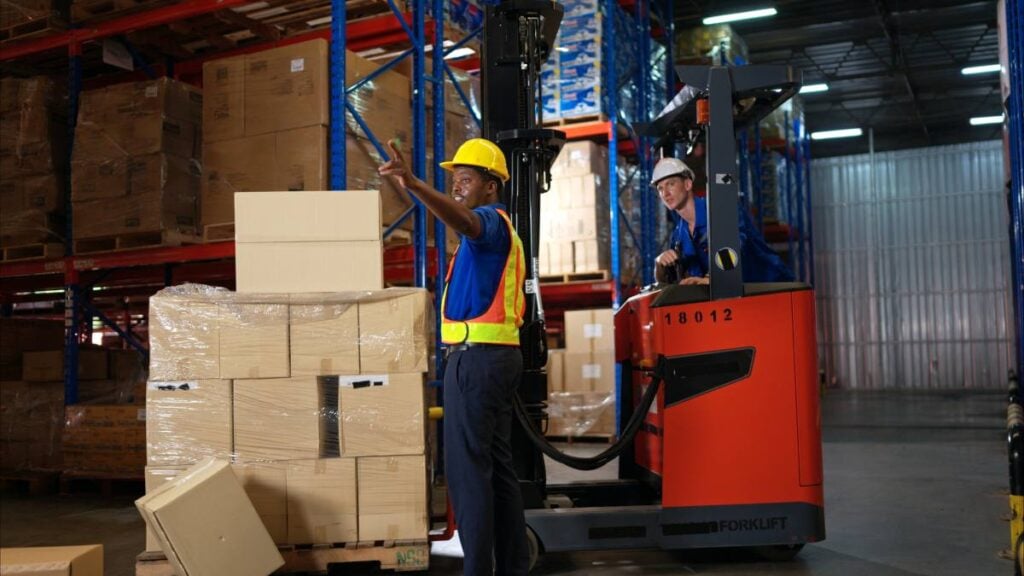
Here is why the humble pre-shift check is the ultimate “life hack” for warehouse efficiency and safety.
It’s Not Just a Check; It’s an Early Warning System
Think of a forklift like a high-performance athlete. It’s lifting tons of weight, pivoting on a dime, and stopping and starting for hours on end. Things are going to wear out. The question isn’t if a part will fail, but when.
A pre-shift inspection is your early warning system. Identifying a small hydraulic leak or a slightly frayed seatbelt at 8:00 AM is a minor inconvenience; finding out about it at 2:00 PM when the truck is carrying a three-tonne load is a catastrophe.
By catching small issues early, you prevent the “domino effect.” A small leak leads to low fluid levels, which leads to pump failure, which leads to a week of downtime and a four-figure repair bill. Five minutes of looking at the floor for puddles can literally save you thousands of pounds.
The Human Element: Safety Beyond the Manual
We talk a lot about the “money” side of things, but let’s be blunt: forklifts are dangerous pieces of machinery. They are heavy, they have significant blind spots, and they operate in close proximity to pedestrians.
When an operator performs a pre-shift check, they are doing more than just looking at tyres and forks. They are mentally “dialling in” to the machine. It’s a ritual that transitions the brain from “I’m just arriving at work” to “I am now responsible for a multi-tonne vehicle.”
A proper check includes:
- Visuals: Checking for structural damage, worn tyres, or bent forks.
- Fluids: Ensuring the “blood” of the machine (oil, coolant, hydraulic fluid) is at the right level.
- Controls: Testing the brakes, steering, and mast functions before entering the main warehouse floor.
- Safety Features: Making sure the lights, horn, and reversing beeper actually work.
If a horn doesn’t work, a pedestrian doesn’t get a warning. If the brakes are soft, the truck doesn’t stop in time. It sounds dramatic because it is. Those five minutes are the barrier between a normal Tuesday and a life-changing accident.
Protecting the Bottom Line: The ROI of Maintenance

If you are running a fleet, your biggest enemy is Unplanned Downtime. When a truck breaks down unexpectedly, the costs ripple through the business:
- The Repair Bill: Emergency call-outs for engineers are never cheap.
- Idle Labour: You’re paying an operator to stand around while their truck is being fixed.
- Missed Deadlines: Lateness penalties from customers can dwarf the cost of the actual repair.
A culture that prioritises pre-shift inspections is a culture that prioritises Planned Maintenance. It’s much cheaper to schedule a service for next Tuesday because a driver noticed a worn fan belt than it is to deal with a snapped belt that leaves a truck stranded in the middle of a narrow aisle today.
The “Paperwork” Problem: Making it Easy
The reason most people skip inspections is that they feel like a chore. If your “checklist” is a crumpled piece of paper on a clipboard that nobody ever looks at, your team won’t take it seriously.
To make this habit stick, you need to make it frictionless. Many modern fleets are moving toward digital checklists integrated into the truck’s telematics. The truck won’t even start until the driver has logged their checks via a touchscreen or a smartphone app. This provides real-time data to the maintenance team, so they know exactly which trucks need attention before a small rattle turns into a big problem.
However, even if you’re still using paper, the key is accountability. If a driver reports a faulty light and it’s fixed by the next day, they’ll keep reporting things. If their reports go into a “black hole” and nothing ever changes, they’ll stop looking.
Compliance Isn’t Optional
In the UK, the HSE (Health and Safety Executive) is very clear about this. Under the Provision and Use of Work Equipment Regulations (PUWER), equipment must be safe for use, and a daily check is the standard way to prove you’re meeting that obligation.
If an accident happens and there is no record of a pre-shift inspection, the legal and financial fallout for the company is immense. It’s not just about “covering your back”-it’s about proving that you have a proactive safety culture. A stack of completed, dated inspection logs is the best insurance policy you can’t buy with money.
Tips for a Perfect 5-Minute Check
To help your team get into the groove, encourage a “Circle Check” approach:
- The Walk-Around: Start at the front and walk all the way around the truck. Look for leaks, loose bolts, and tire damage.
- The Mast & Forks: Check for cracks in the forks and ensure the chains are lubricated and tensioned.
- Under the Hood: A quick check of the battery connections and fluid levels.
- In the Cab: Check the seatbelt, adjust the mirrors, and ensure the fire extinguisher is present and charged.
- The Function Test: Lift and tilt the mast, test the steering, and check the brakes in both forward and reverse.
A Small Habit with Big Results
It’s easy to get caught up in the “go, go, go” mentality of modern logistics. We feel like we don’t have five minutes to spare. But the truth is, you don’t have the time not to do it.
A pre-shift inspection is a sign of a professional operation. It shows that you value your equipment, you value your profit margins, and-most importantly-you value your people. Encourage your drivers to take those five minutes seriously. It’s the cheapest, easiest, and most effective way to keep your warehouse moving safely and efficiently.