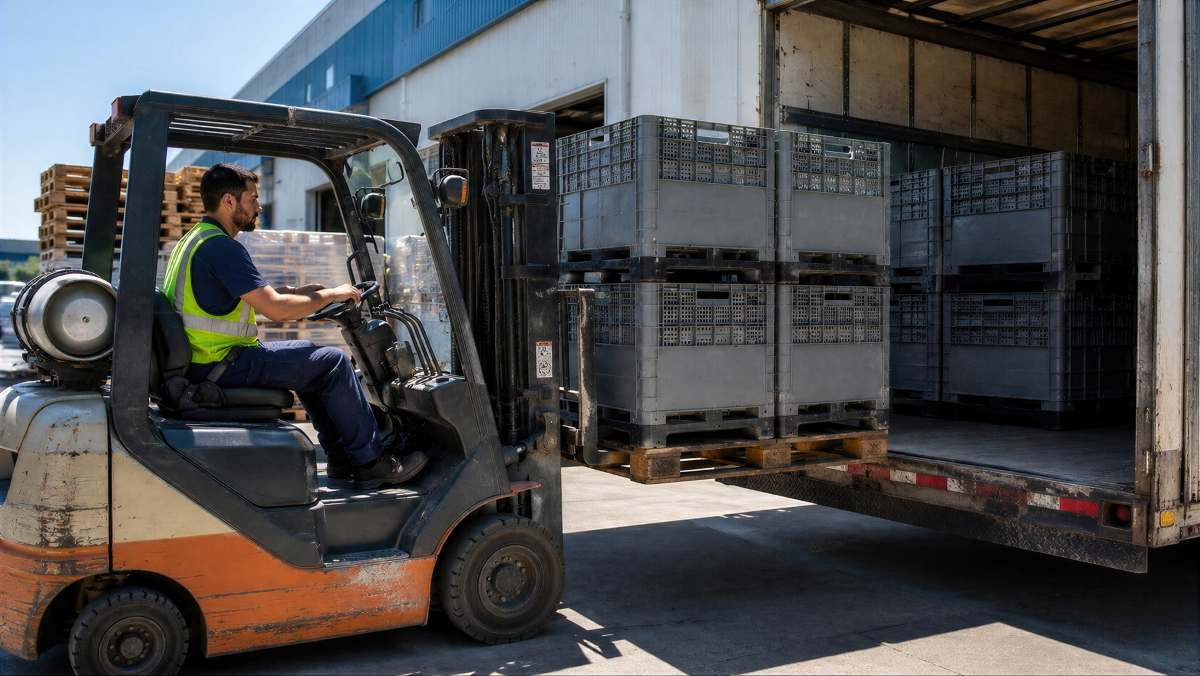
Keeping forklifts running reliably in summer takes more than business as usual. Higher temperatures can put a lot of extra strain on cooling systems, batteries, tyres, hydraulics and electrical components, while also increasing the risk of operator fatigue, dehydration and reduced concentration.
For UK based business, hot weather is no longer an afterthought. Our recent summers, including the current one, have shown how quickly temperatures can soar, turning warehouses, yards, loading bays and outdoor work areas into more demanding environments. When forklifts are in near constant use and operators are working to tight deadlines, even the shortest of heatwaves can add pressure across the whole operation.
Health and Safety Executives advise employers to assess and manage heat-related risks rather than rely just on a fixed maximum workplace temperature. NHS guidance also highlights symptoms such as dizziness, headaches, severe dehydration and thirst, nausea and confusion. That makes preparation essential not only for compliance reasons, but also for keeping people safe and protecting uptime across your fleet.
Start with the Right Pre-Operation Checks
Before servicing a forklift during a hot spell, a thorough pre-use examination becomes even more important than usual. A good pre-use inspection matters even more in hot conditions because minor issues can escalate quickly if ambient temperatures are already high. A small coolant leak, a weak battery, worn hydraulic hose or a partly blocked radiator may not seem urgent on a mild day, but under heat stress the same fault could lead to breakdowns, reduced lifting performance and unplanned downtime.
Focus on the areas most likely to be affected by rising temperatures:
· Cooling system: Check coolant levels, hoses and the radiator for leaking, blockage or damage. Clear any debris from the radiator to help prevent overheating.
· Battery: Inspect for corrosion, visible damage or loose connections. Make sure electrolyte levels are correct and charge the battery as needed.
· Tyres: Look for wear, damage and any inflation issues. Underinflated tyres increase rolling resistance, and this can generate excess heat.
· Fluid levels: Check hydraulic fluid, engine oil and transmission fluid. Hot weather can accelerate fluid loss, so monitor levels more closely.
· Filters and belts: Inspect drive belts, air filters and fuel filters for dirt, debris or wear. Clean and replace these when necessary.
Put Operator Comfort and Safety First
When temperatures rise, operator wellbeing becomes a direct safety issue. The aim is to help your team stay alert, comfortable and capable of working safely throughout the shift. A few simple preparations can make a meaningful difference:
· Lightweight PPE: Provide your employees with breathable clothing and sun protection where needed, such as hats, sunglasses and sunscreen.
· Ventilation: Make sure cabins and work areas are well ventilated. Where possible, you should be using fans or airflow improvements to reduce heat build-up.
· Hydration: Encourage your employees to drink water regularly with water breaks and make sure that cold water is easily accessible throughout the shift.
· Training: Remind operators how heat can affect alertness, comfort and decision making. Reinforce safe operating practices during hot weather.
Know the Warning Signs of Heat Stress
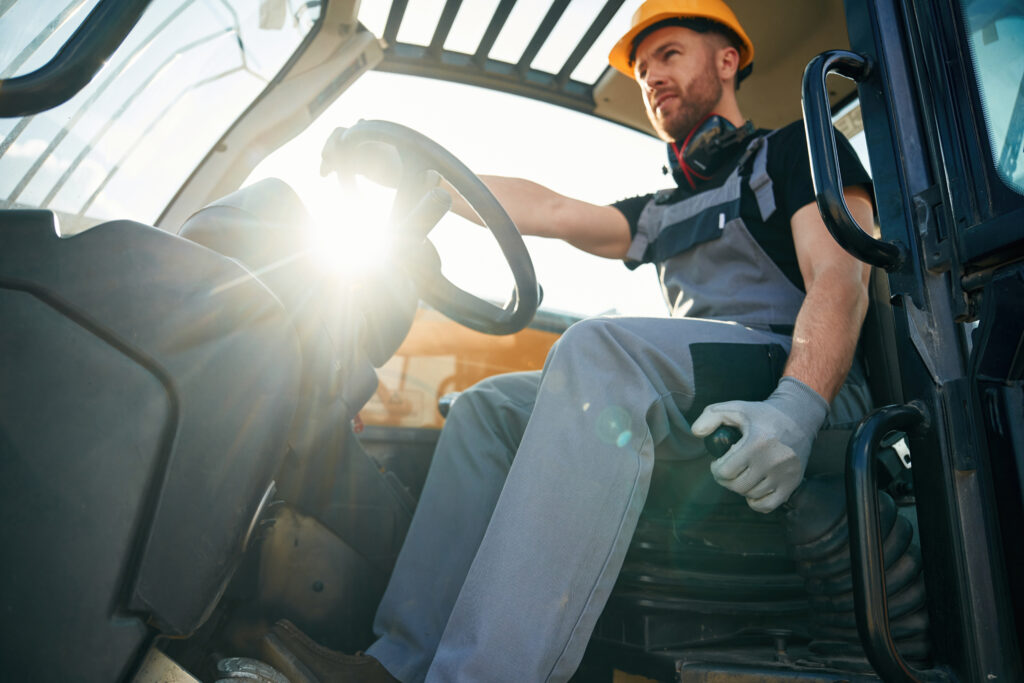
One of the largest risks during hot weather is assuming that discomfort is just part of the day. In reality, heat stress can build gradually and reduce concentration, slow reaction times and increase the chance of mistakes. For forklift operators, that can affect steering, braking, load handling and awareness of pedestrians or surrounding vehicles. Managers and supervisors should make sure teams know the early signs to watch for and feel confident reporting them.
According to NHS guidance, common symptoms of heat exhaustion include tiredness, headaches, nausea, dizziness, excessive sweating, cramps, high temperature and sever thirst. If someone becomes confused, develops very hot skin without sweating, has a seizure or loses consciousness, this may indicate heatstroke and should be treated as a medical emergency.
Hydration should also be planned rather than left to chance. The HSE advises that workers in high heat should drink cool water regularly and not rely on thirst alone as an indicator. In more demanding heat stress conditions, guidance suggests drinking small amounts frequently, with around 250ml every 15 minutes for high-rate work.
Simple controls can make a real difference: schedule more frequent breaks, move heavier work to cooler parts of the day where possible, provide shaded rest areas, and make sure water is close to the work area rather than somewhere operators are unlikely to visit often. These are not just comfort measures; they support alertness, decision-making and safe operation across the shift.
Get Ahead with Preventative Maintenance
Preventative maintenance is one of the most effective ways to reduce breakdowns and protect forklift performance during summer. Rather than waiting for problems to appear, use the warmer months as a trigger to review the condition of the fleet and stay ahead of faults:
Take a proactive approach to summer maintenance instead of waiting for faults to develop. Before the hottest part of the season, review each truck’s service history, look for repeated issues and identify any vehicles that may need extra attention because of their age, operating hours or working conditions. Forklifts used outdoors, on uneven ground or across long continuous shifts may need more frequent inspections than those carrying out lighter indoor tasks.
· Cooling system servicing: Service the cooling system in line with the manufacturer’s guidance, including flushing and refilling it when recommended, and check all related parts for wear, leaks or damage.
· Lubrication: Grease and lubricate moving parts as recommended. Hot conditions can increase friction, so keeping components properly lubricated is especially important.
· Filter replacement: Replace air, fuel and oil filters at the correct intervals to help maintain performance, particularly in dusty summer conditions.
· Electrical system inspection: Inspect wiring, terminals and connections for damage, corrosion or signs of overheating, and replace worn parts before they cause disruption.
It is also worth paying closer attention to brakes, steering, tyres and mast components during hot weather. Heat can contribute to faster tyre wear and pressure changes, while dusty summer conditions can increase wear on moving parts and reduce braking performance if checks are missed. Regular cleaning, lubrication and inspection of chains, forks and lift assemblies help maintain predictable performance when workloads are high.
Plan Shifts and Sites for Hot Weather
Preparing a forklift fleet for hot weather is not only about the truck itself; it is also about how the site runs on the day. If your busiest loading periods happen in direct sun, if operators have long travel routes between loading points, or if water and rest facilities are too far away, the risk of fatigue and heat stress increases. A short review of site routines before summer can reveal simple changes that improve both safety and flow.
For example, it may help to move the heaviest tasks to earlier in the morning, rotate operators more often, or reduce non-essential travel across the site during the hottest hours. In outdoor yards, temporary shade, clearer pedestrian routes and dedicated cooling or rest points can support safer movement. In indoor spaces, improving airflow, reducing unnecessary heat sources and keeping doorways or vents managed correctly can make the environment easier to work in.
This is also a good time to review emergency arrangements. If a truck overheats, if a battery shows signs of distress, or if an operator becomes unwell, the response should be clear and immediate. Teams should know who to contact, where first-aid resources are kept, and how to pause operations safely without creating extra hazards in loading areas or warehouse aisles.
Look at the Bigger Operational Picture
Safe forklift operation in hot weather also depends on how the wider operation is organised. Small changes to workload planning, vehicle storage, inspection routines and site conditions can make day-to-day work easier, safer and more consistent when temperatures are high.
· Review workloads: In higher temperatures, forklifts may not operate as efficiently. Adjust workloads where necessary and build in additional cooling periods.
· Storage: Where possible, park forklifts in shaded or covered locations to limit direct sun exposure and help protect sensitive components.
· Regular inspections: Carry out checks during the day for signs of overheating, unusual noise or fluid leaks, and respond quickly to anything unusual.
· Load management: Do not overload equipment. Follow the manufacturer’s maximum load guidance to reduce unnecessary strain on the truck.
· Surface conditions: Remember that heat can soften or change outdoor surfaces, which may increase the risk of instability or tip-overs.
· Regular cleaning: Clear dust and debris from key areas, especially around engines and cooling components, to maintain airflow and avoid blockages.
· Emergency preparedness: Make sure operators understand what to do in the event of overheating, fire or heat-related illness, and that the right safety equipment is available.
A Simple Checklist for Hot Weather
To make preparation easier, turn the main actions into a straightforward hot weather routine. Before and during warm spells, check coolant, fluids and battery condition; inspect tyres, belts, hoses and filters; remove dust and debris from cooling areas; provide easy access to drinking water and rest breaks; brief operators on heat-related symptoms; review workloads; and use shaded parking or covered storage wherever possible.
Getting forklifts ready for hot weather means looking beyond the standard daily inspection. It requires a joined-up approach that covers equipment checks, planned maintenance, operator wellbeing and the way work is organised across the site. Businesses that prepare in advance are more likely to reduce avoidable breakdowns, support safer working conditions and maintain productivity during periods of high heat.
The key message is clear: do not wait until the first extremely hot day to act. Review your fleet, maintenance schedule and site routines ahead of time so your operation is ready when temperatures rise.
If you need support with forklift sales, hire or servicing before the summer months, our team is ready to help.
Key Points Summary
| Key area | Main point | Practical actions |
| Hot weather risk | Higher temperatures can affect both forklift reliability and operator safety. | Plan ahead for heat-related strain on cooling systems, batteries, tyres, hydraulics and people. |
| Pre-operation checks | Small issues can become serious more quickly in hot conditions. | Check coolant, hoses, radiators, batteries, tyres, fluid levels, filters and belts before use. |
| Operator comfort and safety | Heat can reduce concentration, comfort and decision-making. | Provide breathable PPE, good ventilation, accessible cold water, regular breaks and refresher guidance. |
| Heat stress awareness | Teams should recognise early symptoms before they escalate. | Watch for tiredness, dizziness, headaches, nausea, cramps, severe thirst, confusion or loss of consciousness. |
| Preventative maintenance | Summer maintenance should be proactive rather than reactive. | Review service history, service cooling systems, lubricate moving parts, replace filters and inspect electrical components. |
| Shift and site planning | How the site operates can increase or reduce heat-related risk. | Move heavier tasks to cooler times, rotate operators, reduce unnecessary travel and provide shaded rest areas. |

Related Posts
Predictive vs Preventive Maintenance: What’s the Difference?
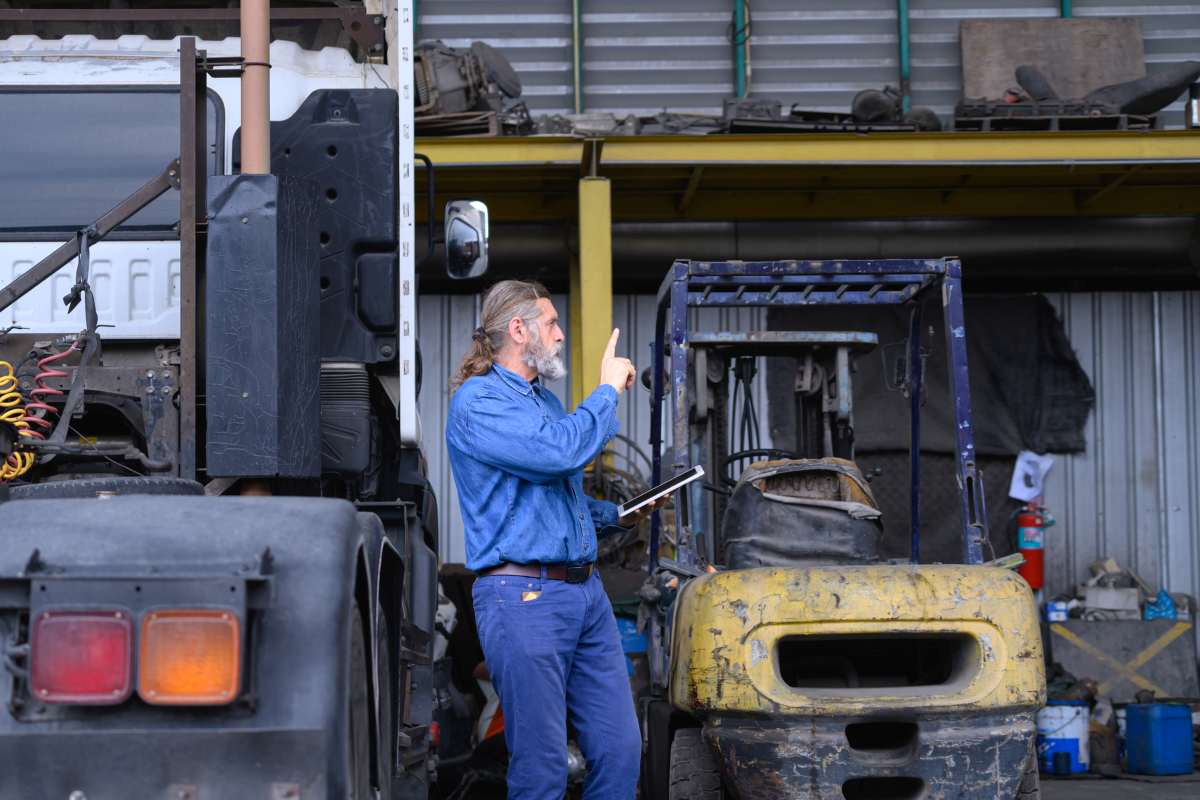
The True Cost of Delaying a Forklift Repair
How Forklift Rentals Help Warehouses Stay Flexible
Top Industries that Benefit from Forklift Hire
How Warehousing Demands Are Changing Forklift Requirements