On this page
Forklift hire is often seen as a short-term fix, but for many businesses it is a smart operational choice. Buying a forklift outright is not always the best answer, especially when workloads change, projects are temporary, or specialist trucks are only needed for part of the year.
That is why forklift hire works well across a wide range of industries. It gives businesses access to the right equipment without the full cost and commitment of ownership. For some sectors, that flexibility is not only useful. It is essential.
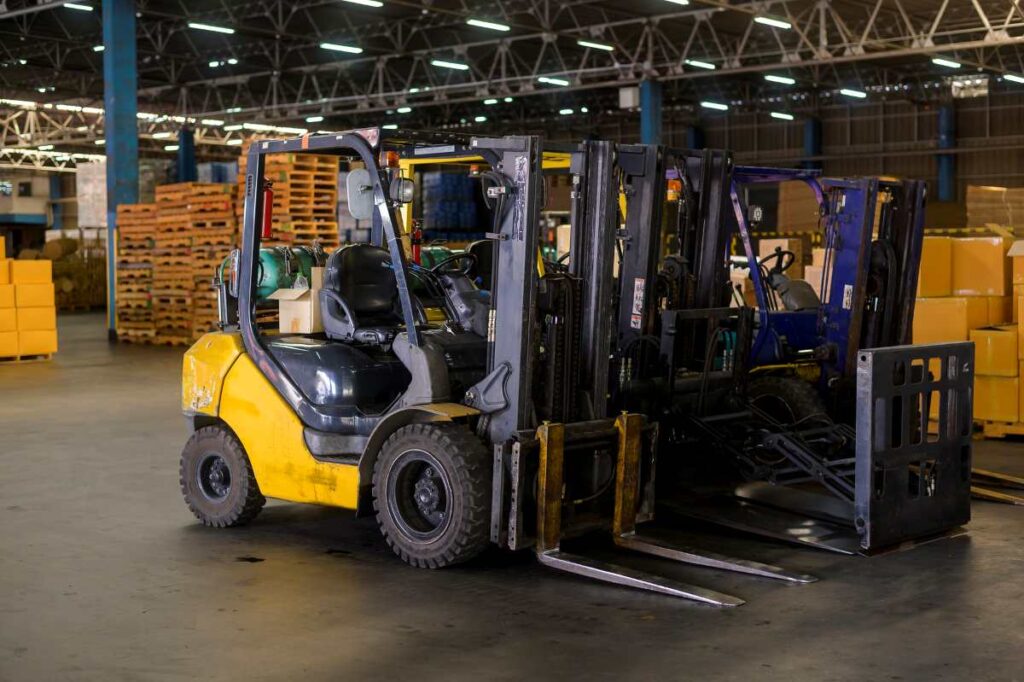
Why forklift hire suits so many industries
Different industries use forklifts in different ways, but many of them face the same basic challenge. They need reliable lifting equipment, but they do not always need to own every truck all year round.
Forklift hire helps because it can:
- Reduce upfront capital spending
- Support short-term or seasonal demand
- Cover breakdowns and maintenance downtime
- Provide access to specialist trucks when needed
- Let businesses scale up without long-term commitment
If you want a wider overview of the benefits of forklift hire, the biggest advantage is usually flexibility. That is what makes hire so useful across industries with changing workloads.
Construction
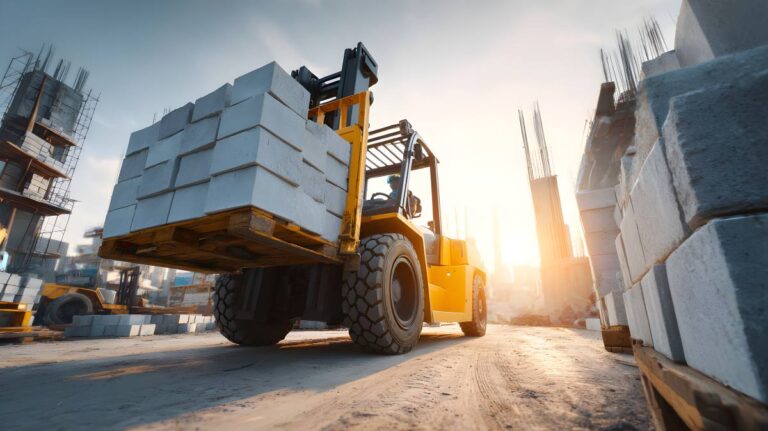
Construction is one of the clearest examples of an industry that benefits from forklift hire.
Building sites often deal with changing layouts, temporary project timelines, and heavy materials that need to be moved safely and quickly. One project may need a rough-terrain forklift for several months, while another may only need extra lifting capacity for a short phase of work.
Forklift hire works well in construction because it allows contractors to:
- Bring in the right truck for a specific phase of the job
- Avoid buying equipment that may sit unused later
- Add extra capacity during busier parts of the project
- Cover equipment shortages without delay
This is especially useful for firms working across several sites, where equipment needs can change from one location to the next.
Warehousing
Warehouses often rely on forklifts every day, but that does not always mean every truck should be owned.
Warehouse demand can rise quickly because of:
- Seasonal stock increases
- Promotional periods
- New customer contracts
- Temporary growth in order volume
During these periods, a warehouse may need extra forklifts to keep loading, unloading, and stock movement running smoothly. Hiring gives the business a way to increase capacity without committing to another permanent fleet asset.
This is also helpful when one warehouse truck is off the floor for service or repair and the operation still needs to keep moving.
Distribution and logistics
Distribution centres and logistics operations often run on tight timings. Delays in moving pallets or loading outbound vehicles can affect the whole chain.
Forklift hire helps logistics businesses respond when demand changes suddenly. For example, a company may need extra trucks during:
- Peak parcel periods
- Retail replenishment surges
- Major contract launches
- Temporary transport disruption
Because timing matters so much in logistics, hire can act as a fast way to add capacity or cover downtime. It also helps businesses avoid the cost of owning too many forklifts during quieter months.
Manufacturing
Manufacturing businesses often have periods where materials handling demand rises above normal levels. This may happen when production increases, new product lines are launched, or large orders need to be fulfilled in a short time.
Forklift hire can help manufacturers by giving them:
- Extra support during busy production periods
- Temporary cover during maintenance or breakdowns
- Access to trucks with different lift capacities for specific jobs
- A chance to trial other models before deciding to buy
For manufacturers, the right truck matters as much as the extra capacity. A short-term hire can solve a very specific handling problem without forcing the business into a long-term purchase.
Retail and e-commerce
Retail and e-commerce businesses often see sharp demand spikes at certain times of year. Black Friday, Christmas, seasonal promotions, and stock clearances can all put pressure on warehouses and fulfilment centres.
During those periods, pallet movement increases, inbound deliveries rise, and dispatch operations need to work faster.
Forklift hire makes sense here because it allows businesses to:
- Add trucks only for the peak period
- Support temporary storage areas
- Improve loading speed when volume rises
- Avoid carrying underused equipment after the rush ends
This makes hire especially valuable for businesses whose demand does not stay high all year.
Agriculture and farming
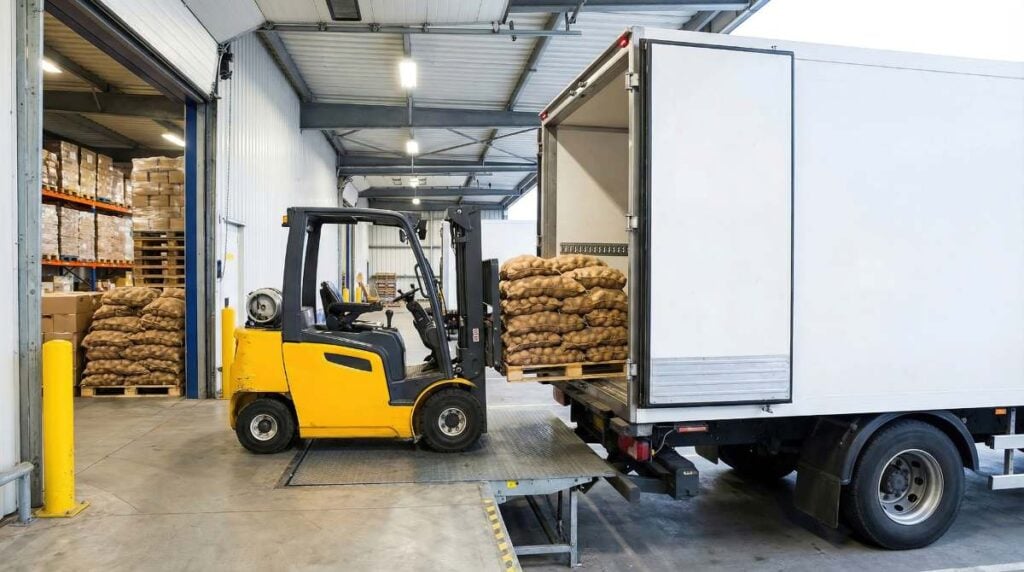
Agriculture is another industry where demand can change sharply across the year.
Farmers and agricultural businesses may need forklifts for:
- Harvest periods
- Feed and fertiliser movement
- Barn clearing and site organisation
- Loading and unloading seasonal supplies
The key issue here is that many farms do not need the same level of forklift use every month. Hiring allows them to bring in the right machine when the workload is highest, rather than paying to own equipment that may spend long periods parked.
It also helps when a more rugged or outdoor-suited truck is needed for a specific task.
Shipping and ports
Shipping and freight yards rely on fast and efficient movement of goods, especially when vehicles and containers need to be loaded on schedule.
Forklift hire is useful in this industry because it allows businesses to respond to:
- Sudden increases in incoming goods
- Temporary overflow in yard operations
- Additional handling during busy shipping windows
- Breakdowns in the existing fleet
In this kind of environment, a delayed truck can quickly affect productivity. Hire gives managers a practical way to keep the site moving without waiting for a permanent replacement.
Events and temporary projects
Some industries do not need forklifts every day, but they do need them at very specific times.
Examples include:
- Event setup and breakdown
- Exhibition builds
- Temporary site installations
- Relocation projects
- One-off industrial jobs
In these situations, ownership often makes little financial sense. The business may only need the truck for a few days or weeks. Hiring provides access to the right equipment for the exact period required, without adding storage or maintenance responsibility afterwards.
Smaller businesses and growing companies
Forklift hire is not only for large businesses.
Smaller firms often benefit the most because hire helps them protect cash flow. Instead of tying up a large amount of money in equipment, they can use that capital elsewhere while still accessing the lifting support they need.
This can be especially useful for:
- Growing SMEs
- Businesses moving into larger premises
- Firms taking on new contracts for the first time
- Companies that want to test demand before buying equipment
For businesses in this position, material handling equipment hire can be a more flexible and lower-risk option than an immediate purchase.
Why these industries keep choosing hire
By this point, the pattern is clear. The industries that benefit most from forklift hire usually share at least one of these conditions:
- Workload changes during the year
- Projects are temporary
- Specialist trucks are only needed occasionally
- Downtime would be costly
- Cash flow needs to stay flexible
That is why hire is often less about saving money in one simple way and more about giving the business better control over operations.
Final thoughts
Top industries that benefit from forklift hire include construction, warehousing, logistics, manufacturing, retail, agriculture, shipping, and temporary project-based operations. What links them is the need for flexibility.
Forklift hire allows businesses to match equipment to demand, respond faster to change, and avoid the cost of owning trucks that may not be needed all year round. For many industries, that makes hire not a fallback option, but a sensible and strategic one.
When the right truck is needed at the right time, hiring often gives the business the most practical route forward.