Its #Safetember the National Month of Forklift Safety
Safetember is an annual month-long safety campaign pioneered by the FLTA, focusing on the operational safety of forklift trucks. It runs through the whole month of September and aims to shine a light onto the 1300 accidents per year that could potentially be avoided. Whether you drive a forklift, work alongside forklift trucks or are in a position to review health and safety, it’s vitally important to understand how to keep yourself and others safe. We’ve compiled this list of health and safety tips as a quick guide to give you a heads up on basic forklift safety:
Drive a forklift?
ALWAYS BE AWARE OF YOUR LIMITS
- Only take on tasks if you are qualified, trained and authorized to complete them.
- NEVER drive a forklift under the influence of drugs or alcohol.
- If your operating on a public highway ensure you have all the relevant requirements: driving licence, road tax, insurance etc.
EXAMINE YOUR TRUCKS
- Always complete the recommended pre-use checks, reporting any problems and taking the truck out of action if required.
- Do not carry out unauthorized repairs or modifications to the truck.
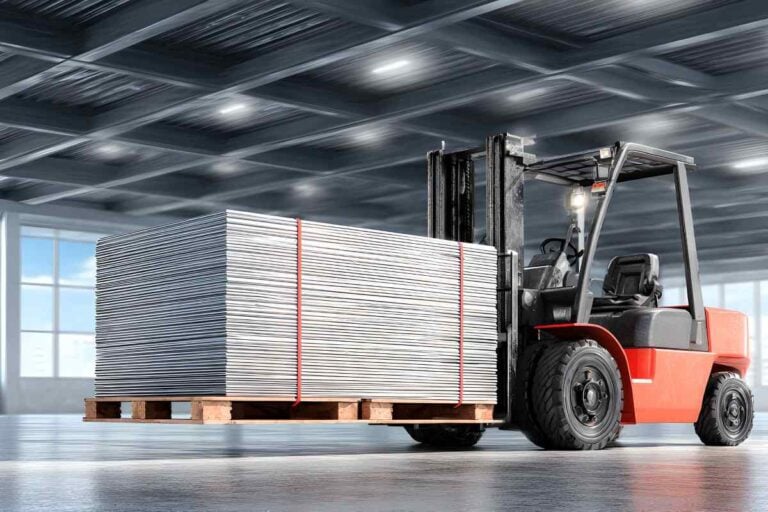
- NEVER lift more than the trucks rated capacity.
STAY SAFE WHILE DRIVING
- Never turn corners at high speeds.
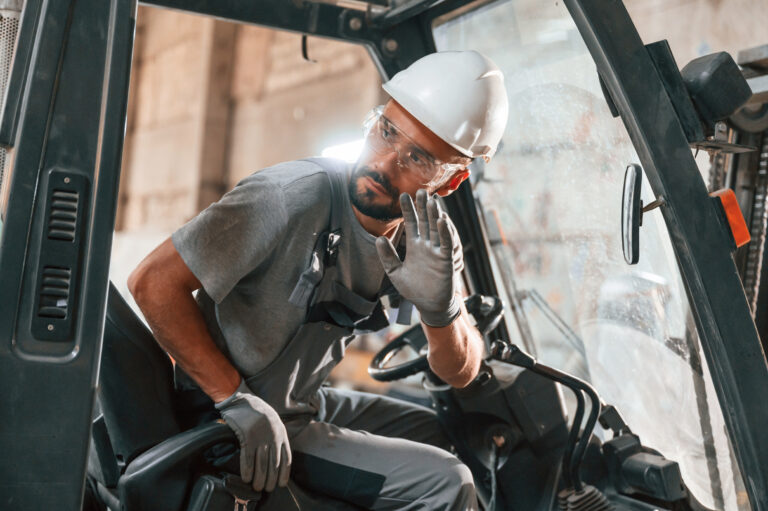
- Always wear your seatbelt.
- Obey signposted rules such as “no smoking” and “no naked flames”.
- Do not leave keys unattended in trucks.
- Use caution on uneven and slippery surfaces.
- Always keep an eye out for potential hazards.
PROTECT YOUR CO-WORKERS
- Never presume that pedestrians will stop for you.
- Always comply with the site rules, speed limits and traffic controls.
- Do not pick up a load if there is anybody standing nearby.
- Don’t ever carry passengers on a forklift.
CARRY LOADS SAFELY
- Always ensure your loads are supported securely and evenly.
- Do not lift loads on damaged pallets.
- Always be extra cautious when unloading trailers, stacking pallets or handling round objects.
- Never let anyone walk under the raised load.
Work near forklifts?
ALWAYS STAY AT A SAFE DISTANCE
- Don’t go near an operating forklift unless you absolutely have to.
- Always Use available pedestrian routes and pathways.
- Never approach forklift trucks from behind.
- Keep clear of refuelling bays and battery changing areas.
ENSURE YOUR VISIBLE
- Only approach a forklift when you’re sure the driver has seen you, even then proceed with caution.
- Always keep within the operators’ line of sight.
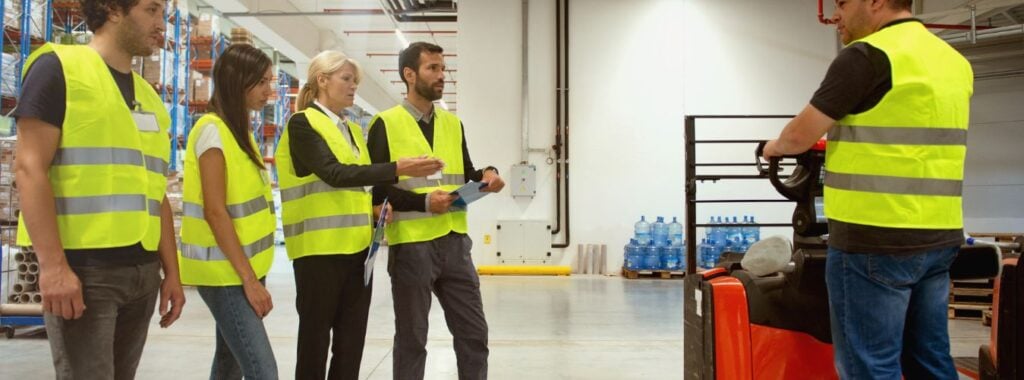
- Wear high visibility clothing.
STAY ALERT TO DANGER
- Pay attention to flashing lights and reversing alarms.
- Switch off music devices when working near forklifts.
- Don’t use mobile phones in operating areas.
- Obey all “PPE” and “no smoking” signs.
BE AWARE OF YOUR LIMITS
- Only use equipment that you are trained and authorized to use.
- Don’t even touch a forklift truck without the appropriate training.
- Request training before operating any new equipment.
KEEP YOUR FEET ON THE GROUND
- Never ask for or accept a lift on a forklift truck.
- Never sit on the forklifts load.
- Never ask to be lifted up on the forks, a pallet, or other improvised device.