Racking systems
Pallet flow and push back racking
Lanes set on a gentle slope, so pallets move themselves towards the pick face. Pallet flow rotates stock first in, first out; push back works from one face, last in, first out.
- Up to 60%
- better use of space
- ~4%
- roller track slope
- 240 kg
- rated load per roller
How it works
How pallet flow and push back racking works
- Pallets are loaded at the high end of a lane of roller track.
- They roll down the slope, with brake rollers keeping the speed safe.
- At the low end, a separator holds the front pallet clear of the ones behind it.
- Take the front pallet and the next one rolls forward. Push back runs the same way from a single face.
- Access
- One product per lane
- Stock rotation
- FIFO (flow) or LIFO (push back)
- Space use
- High
- Speed
- Pallets come to the picker
Is it right for you?
A good fit, and when to look elsewhere
A good fit for
- Fast-moving lines picked by the full pallet
- Date-coded stock that must go out oldest first
- Dispatch and order preparation areas
- Buffer stock between two stages of production
Consider something else if
- You hold many different slow-moving products Pallet racking →
- You want density at the lowest cost Drive-in and drive-through racking →
Components and options
What goes into it
Frames and beams
Standard pallet racking parts form the structure.
Roller tracks
Mounted on the beams at about a 4% slope. Each roller is rated to 240 kg.
Entry funnel
Guides each pallet squarely onto the track at the loading end.
Brake rollers
Control the pallet speed all the way down the lane.
Separator
Holds the front pallet clear so it lifts out without the weight of the lane behind it.
Buying guide
Specifying flow and push back racking
- Pallet flow needs a loading aisle at the high end and a picking aisle at the low end. Lane length is set by the stock you want in each lane.
- Push back needs only one aisle, because pallets are loaded and picked from the same face. It is usually limited to a few pallets deep per lane.
- Pallets and weights. The rollers, slope and brakes are specified for the pallet type and weight range, so a consistent pallet is essential.
- Speed control. Brake rollers slow pallets down the slope and a separator at the front holds the next pallet back while the first is taken.
Buying guide
What affects the price
- Lane depth and the number of lanes and levels.
- The roller track, brakes and separators, which are the main cost over plain racking.
- The pallet weight range the lanes must handle.
- For flow racking, space for the second aisle.
The saving is in labour and space: pallets come to the operator, and the store needs fewer aisles.
Buying guide
Rules, inspection and safety
Racking is work equipment under PUWER 1998. The UK industry guidance comes from SEMA, the Storage Equipment Manufacturers' Association, and EN 15635, the standard for racking in use, which calls for a documented inspection by a technically competent person at least every 12 months. Between inspections, a named person on site checks the racking regularly and after any impact, using a red, amber and green damage scale: red means offload and isolate now, amber means repair within four weeks.
We carry out racking inspections to EN 15635, with a written report and a schedule of any damage, and we install racking to SEMA guidance: see racking installation.
The rollers and brakes need checking alongside the steelwork, because a worn brake roller lets pallets arrive at the pick face faster than they should.
Racking and trucks, sized together
The trucks that work it
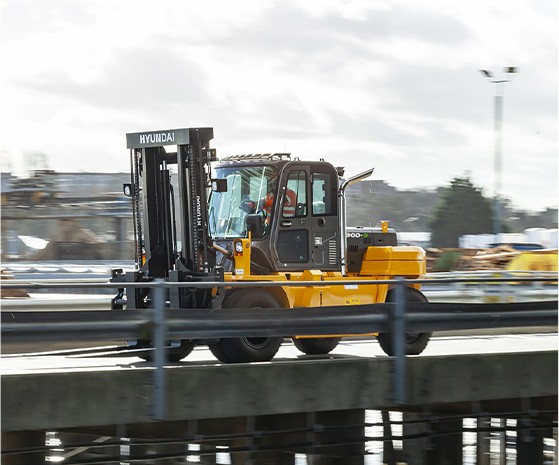
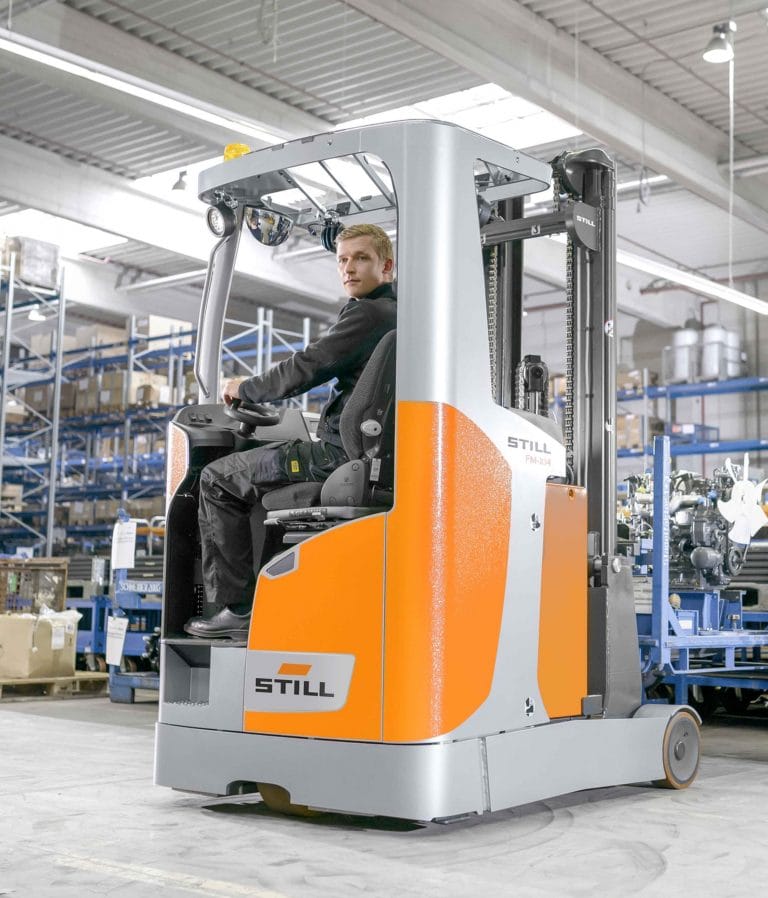
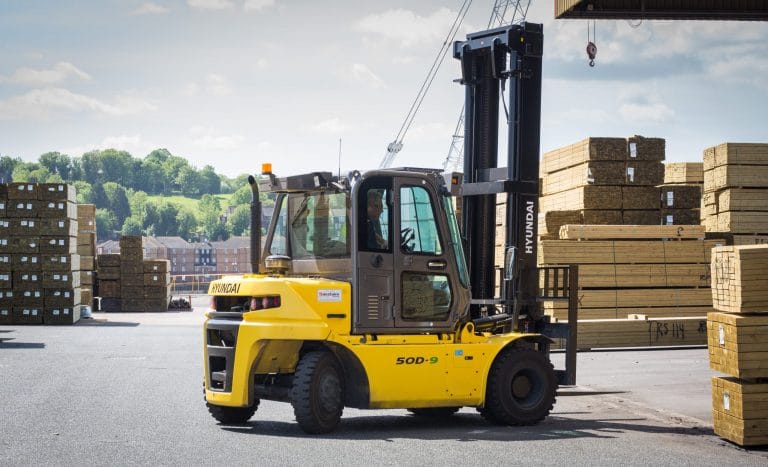
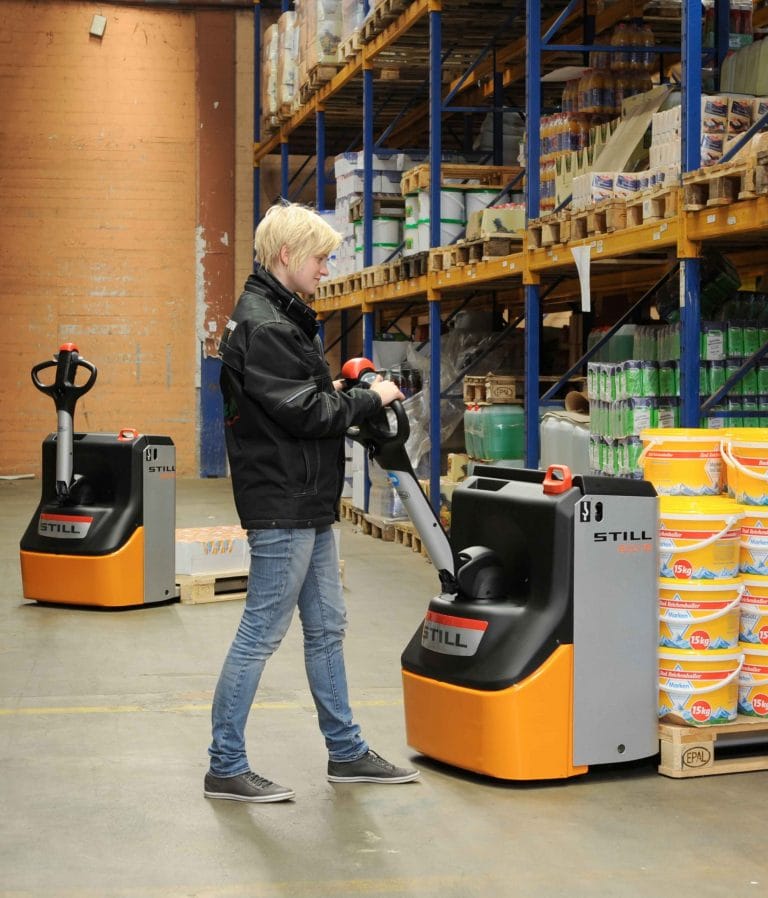
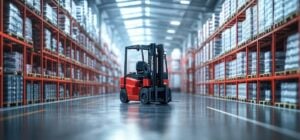
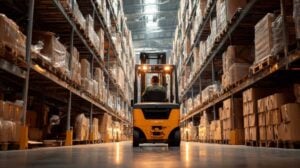
Racking and trucks decide each other: aisle width, top beam height and capacity at height all have to match. We supply both, so we check them together.
Tell us what you store, and we will tell you what fits
Every building is different, so we start with a free site survey: pallet or product sizes and weights, how many locations, how fast stock moves, the clear height and the trucks you run. We come back with a design and a price, install it, and inspect it once it is in use.
Pallet flow and push back racking: common questions
Eight depots across the UK
Our own engineers, out of our own depots - wherever you are, service comes from us.

Additional Services
Checkout our range of other machine services below