Racking takes knocks every day it is in use, and most damage is small, quiet and cumulative: a dented upright here, a displaced beam lock there. A racking inspection finds it before it becomes a collapse. We inspect warehouse racking to EN 15635, the standard for racking in use, and give you a written report of what we found, how serious it is and what needs doing.
We inspect racking whoever supplied it, and because we also supply and install racking and the forklifts that hit it, we can quote for the repairs and look at why the damage keeps happening.
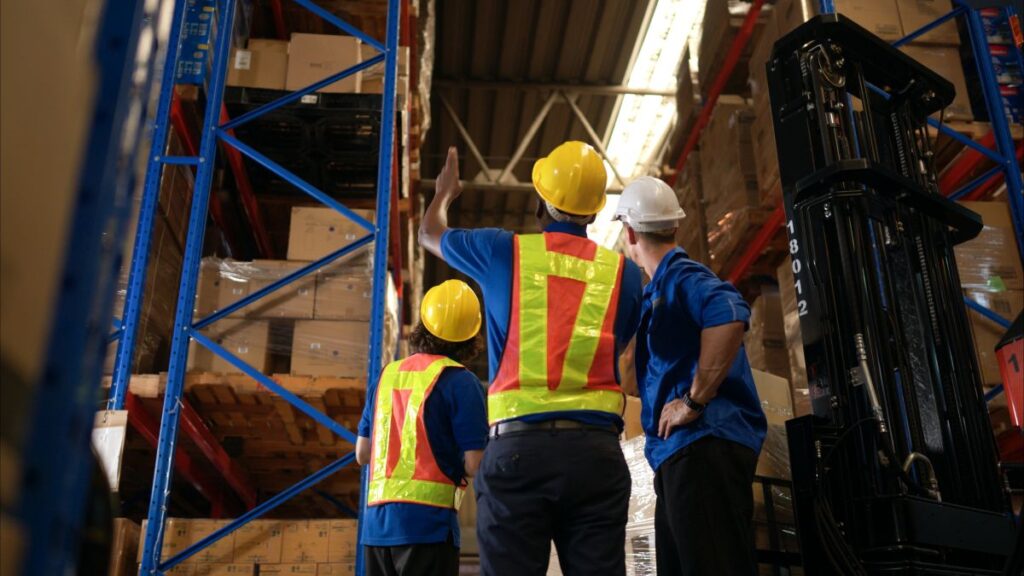
What a racking inspection covers
- Uprights and bracing: dents, bends and twists, measured against the tolerances in the standard, and damaged or missing bracing.
- Beams and connectors: deflection, damage, and every beam locking pin in place.
- Base plates and floor fixings: anchors present and tight, base plates undamaged, the racking plumb.
- Load notices: present, legible and matching how the racking is actually configured and loaded.
- Loading: pallets within the rated load, in good condition and placed correctly on the beams.
- Protection: upright guards, end-of-aisle barriers, mesh and back stops where they are needed.
- Alterations: beam levels moved or bays changed without the load rating being checked.
Red, amber and green
Every item of damage is graded so you know what to do and how quickly.
| Grade | What it means | What to do |
|---|---|---|
| Red | Serious damage; the bay is not safe | Offload and isolate immediately, and keep it out of use until repaired |
| Amber | Damage that needs repair but does not need immediate offloading | Repair within four weeks; if it is not repaired in that time it becomes red |
| Green | Within the limits of the standard | Record it and check it again at the next inspection |
Tell us roughly how many runs or pallet locations you have and where the site is, and we will book an inspection.
How often racking should be inspected
EN 15635 calls for an inspection by a technically competent person at least every 12 months. Busy sites, sites with a history of damage, and cold stores often need it more often. Between inspections, a named person on site, the person responsible for racking safety, should check the racking regularly, often weekly, and after any impact, and keep a record.
Racking is work equipment under the Provision and Use of Work Equipment Regulations 1998 (PUWER), so the duty to keep it safe sits with the employer. A written inspection record is the evidence that the duty is being met, and it is the first thing an insurer or an HSE inspector asks for after an incident.
Your own weekly racking checks
Between expert inspections, the person responsible for racking safety walks the racking, often weekly and after any impact, and records what they find. A simple checklist:
- Uprights: dents, bends or twists, especially at fork and chassis height on the aisle face.
- Beams: bent or sagging beams, and every beam lock in place.
- Bracing: nothing bent, damaged or missing.
- Base plates and anchors: present, tight and undamaged, and nothing leaning out of plumb.
- Load notices: in place and readable, with the racking loaded and configured as they say.
- Pallets: in good condition, sitting square on the beams, with nothing overhanging the aisle or pushed through the back.
- Protection: upright guards, end-of-aisle barriers, mesh and back stops in place and undamaged.
Report and record anything you find. Serious damage means offloading and isolating the bay straight away and keeping it out of use until it is repaired.
What you get
- A written report covering every run inspected.
- A damage schedule, graded red, amber and green, with each item located so it can be found and fixed.
- Notes on load notices, loading and protection.
- A quote for any repairs, with replacement components specified to match your racking.
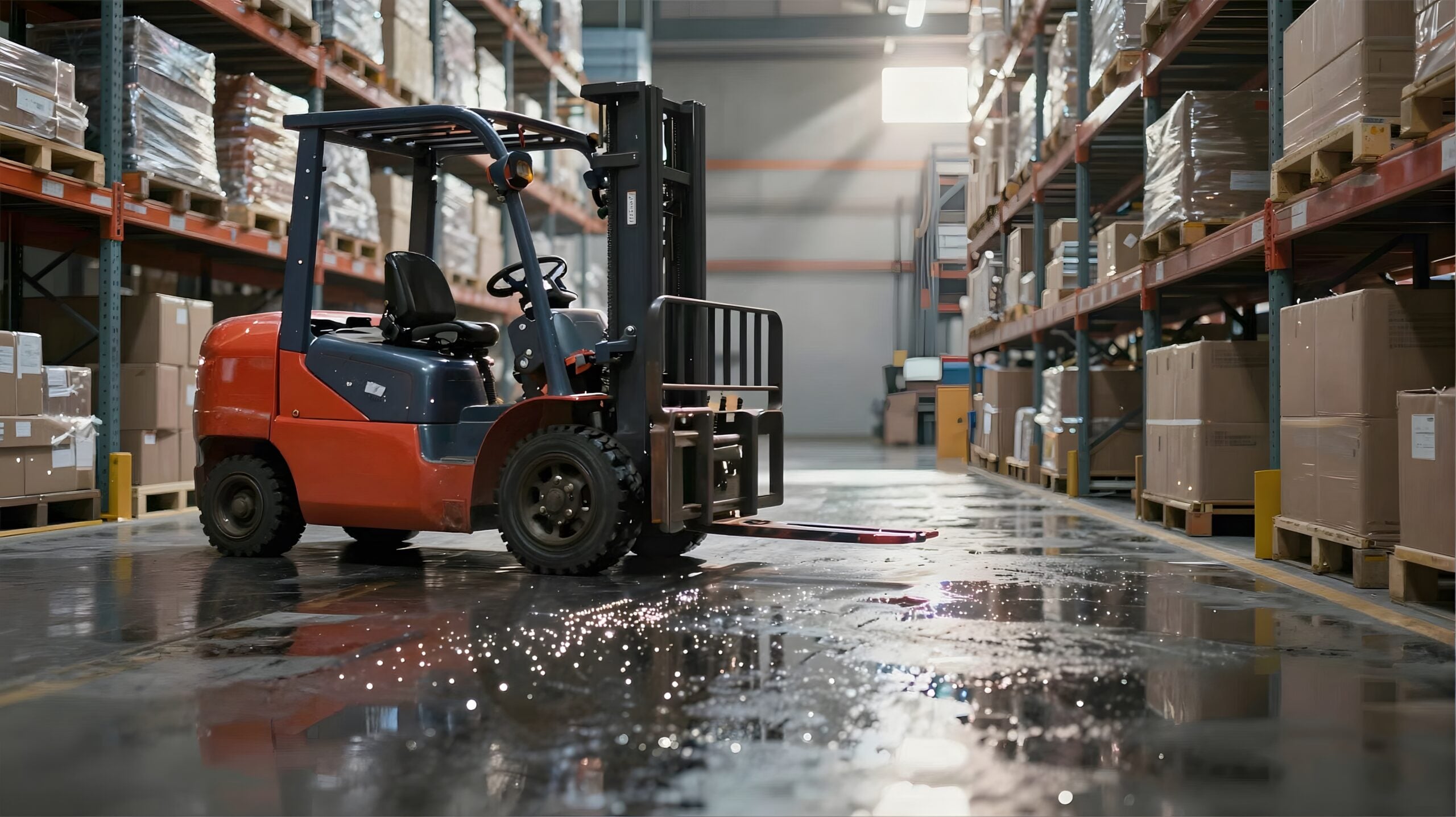
After the report: repairs and protection
The report tells you what is damaged. Because we inspect, repair and protect racking, the damage schedule turns straight into a quote for putting it right.
- Red items: offloaded and isolated at once, then the damaged components replaced like for like. See racking repairs.
- Amber items: repaired within four weeks, before they become red.
- Bays that keep getting hit: upright guards, end-of-aisle protectors and barriers where the same places are struck. See racking protection.
- Alterations: changed beam levels or bays checked against the load rating, with the load notices brought up to date.
Cutting the damage, not just recording it
Most racking damage comes from trucks: the wrong truck for the aisle, tight turns, poor visibility or rushed operators. Because we supply and service forklifts too, we can look at the cause as well as the damage: upright guards and barriers where the hits keep happening, operator refresher training, pedestrian detection, and telematics that attributes impacts to the shift they happened on.
Talk to us
Call 01708 861 414 or contact the team. Tell us roughly how many runs or pallet locations you have and where the site is, and we will book an inspection. See also racking installation and warehouse racking systems.
Tell us roughly how many runs or pallet locations you have and where the site is, and we will book an inspection.
Racking Inspections: common questions
Eight depots across the UK
Our own engineers, out of our own depots - wherever you are, service comes from us.

Talk to us about Pallet Racking Inspections
Monday to Friday, 8:00am to 5:00pm.
Additional Services
Checkout our range of other machine services below