Racking systems
Mobile racking
Racking on motorised bases that run on floor rails. The runs close up tight and only the aisle you need opens, so the rest of the floor is storage. The standard choice for cold stores.
- Up to 80%
- less floor space
- 1
- working aisle open at a time
- Every
- location still directly accessible
How it works
How mobile racking works
- Pallet or cantilever racking is built onto motorised carriages.
- The carriages run on rails set flush with the floor.
- Open an aisle and the runs either side move apart, to a width set for your trucks.
- Run it from controls on the racking, a remote, or your warehouse management system.
- Access
- Every location, once its aisle opens
- Stock rotation
- Any
- Space use
- The highest
- Safety
- Light curtains stop the bases
Is it right for you?
A good fit, and when to look elsewhere
A good fit for
- Cold stores and freezers
- Sites that have run out of floor space
- Slower-moving stock
- Growing capacity in phases
Consider something else if
- Many trucks need to work at once Pallet racking →
- You store long goods that do not need compacting Cantilever racking →
Components and options
What goes into it
Carriages
Motorised, two- or four-wheeled, sized for the racking and load on them.
Rails
Grooved guide rails and flat running rails, flush with the floor.
Racking
Standard pallet racking or cantilever racking on top of the carriages.
Controls
On the racking, by remote, or via a warehouse management system.
Light curtains
Detect anyone in the aisle and stop the carriages.
Buying guide
Specifying mobile racking
- The floor. Rails are either set into a new slab or fitted into the existing floor, and the floor has to be level enough for the bases to run smoothly. This is the biggest single factor in the project.
- Aisles. Only one aisle is open at a time, sized for your trucks. More than one aisle can be opened where several trucks work at once.
- Racking. Pallet racking or cantilever racking can sit on the bases.
- Control. Push buttons, remote control or a warehouse management system, with safety scanners and light curtains that stop the bases when someone is in the aisle.
Buying guide
What affects the price
- Floor work for the rails, which can be significant in an existing building.
- The number and length of mobile bases, and the load they carry.
- Control and safety systems.
- Freezer specification for cold stores, where saving floor space saves the most energy.
Per pallet position it costs more than static racking, and it pays back where floor space is the constraint: an expensive cold store, or a building you cannot extend.
Buying guide
Rules, inspection and safety
Racking is work equipment under PUWER 1998. The UK industry guidance comes from SEMA, the Storage Equipment Manufacturers' Association, and EN 15635, the standard for racking in use, which calls for a documented inspection by a technically competent person at least every 12 months. Between inspections, a named person on site checks the racking regularly and after any impact, using a red, amber and green damage scale: red means offload and isolate now, amber means repair within four weeks.
We carry out racking inspections to EN 15635, with a written report and a schedule of any damage, and we install racking to SEMA guidance: see racking installation.
The bases, drives and safety devices need servicing as machinery, on top of the racking inspection, and the pedestrian protection has to be tested regularly.
Racking and trucks, sized together
The trucks that work it
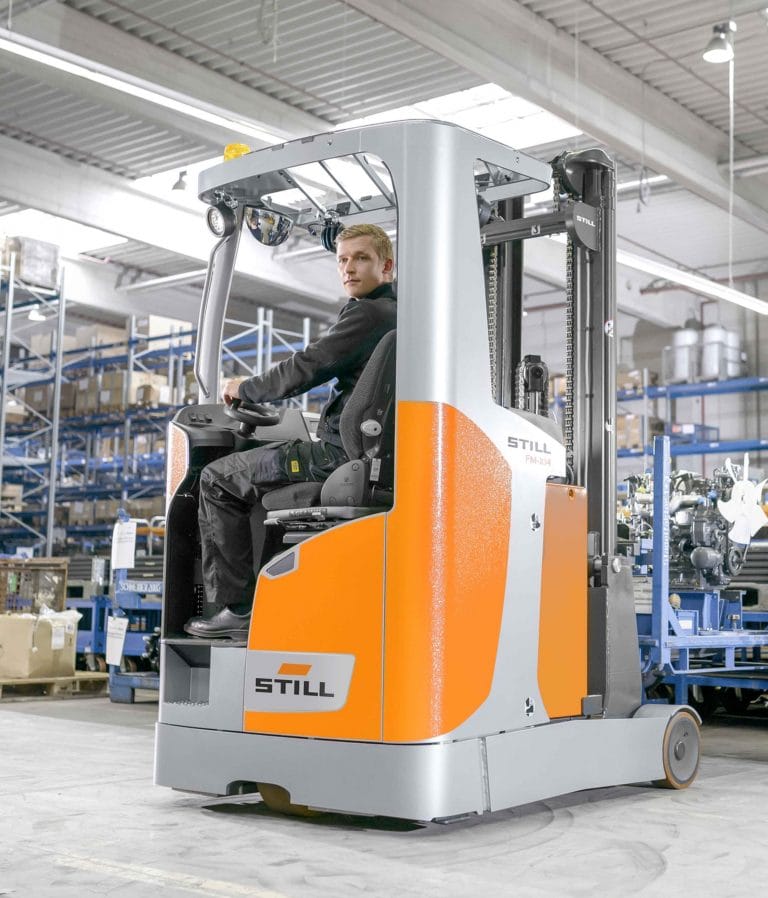
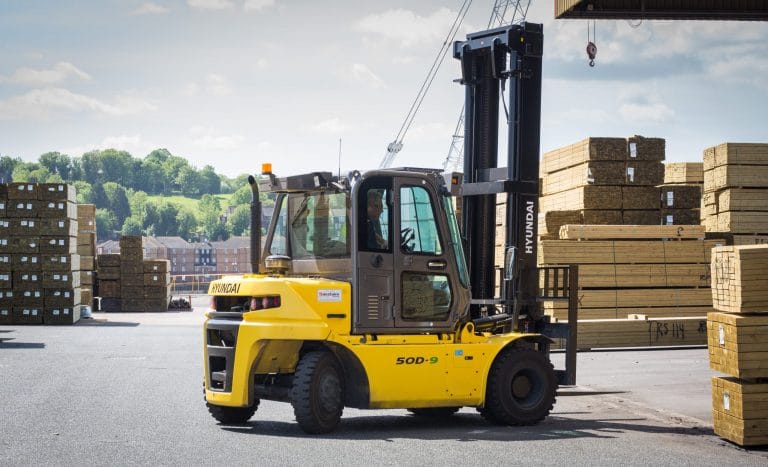
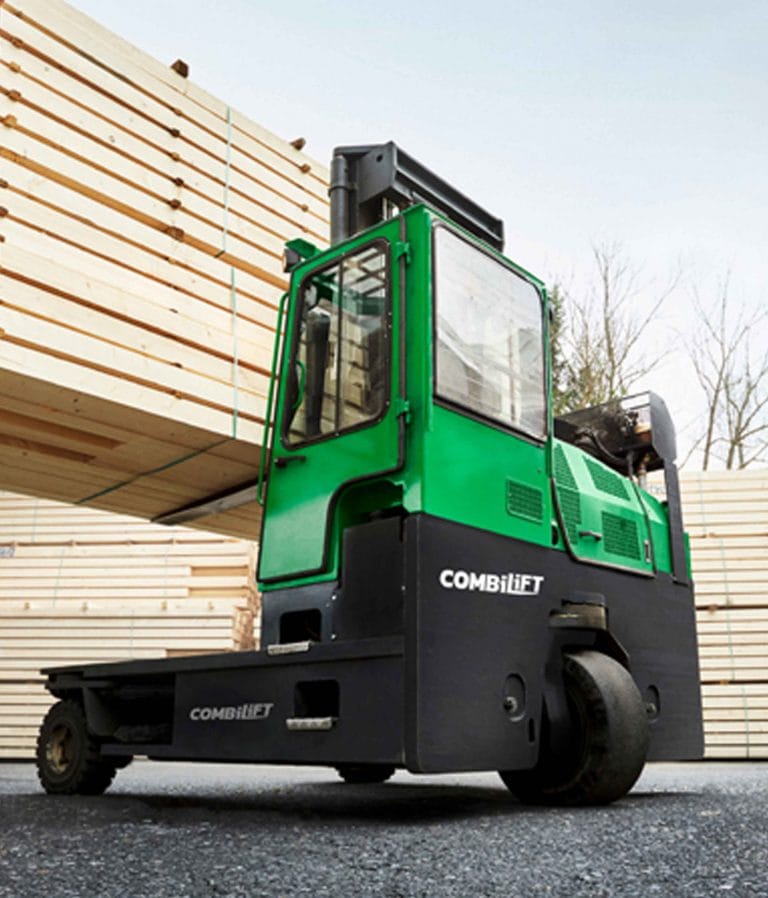
Racking and trucks decide each other: aisle width, top beam height and capacity at height all have to match. We supply both, so we check them together.
Tell us what you store, and we will tell you what fits
Every building is different, so we start with a free site survey: pallet or product sizes and weights, how many locations, how fast stock moves, the clear height and the trucks you run. We come back with a design and a price, install it, and inspect it once it is in use.
Mobile racking: common questions
Eight depots across the UK
Our own engineers, out of our own depots - wherever you are, service comes from us.

Additional Services
Checkout our range of other machine services below