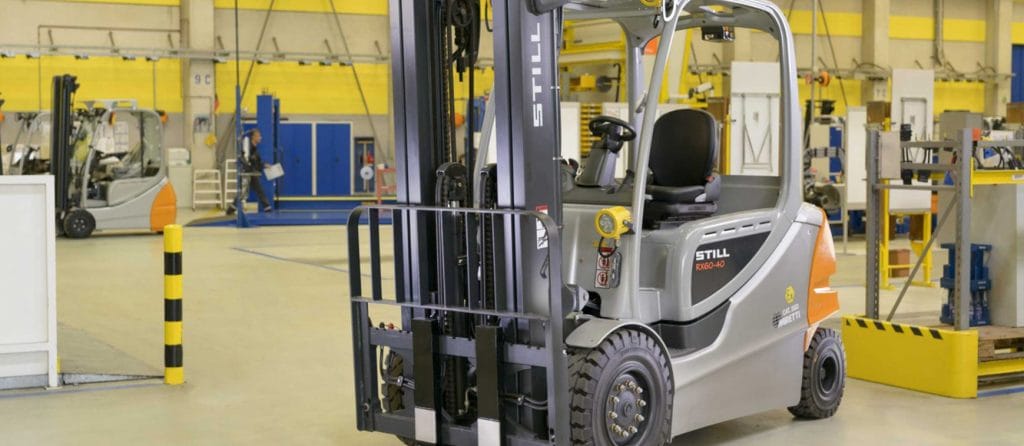
A flameproof forklift is a truck that has been engineered so it cannot ignite a flammable gas, vapour or dust around it. Every part that could arc, spark or run hot is enclosed, limited or replaced, while the truck keeps its original controls, capacity and performance, so the operator works exactly as before. We supply flameproofed forklifts, reach trucks, pallet trucks, stackers and other equipment for every type of hazardous area, new or converted from a truck you already run.
Which level of protection you need depends on the zone your risk assessment has set, the substance, and how the truck is used. That side of the subject, from DSEAR to equipment categories, is on our explosion proof forklifts and ATEX page. This page is about the truck.
What flameproofing does to a truck
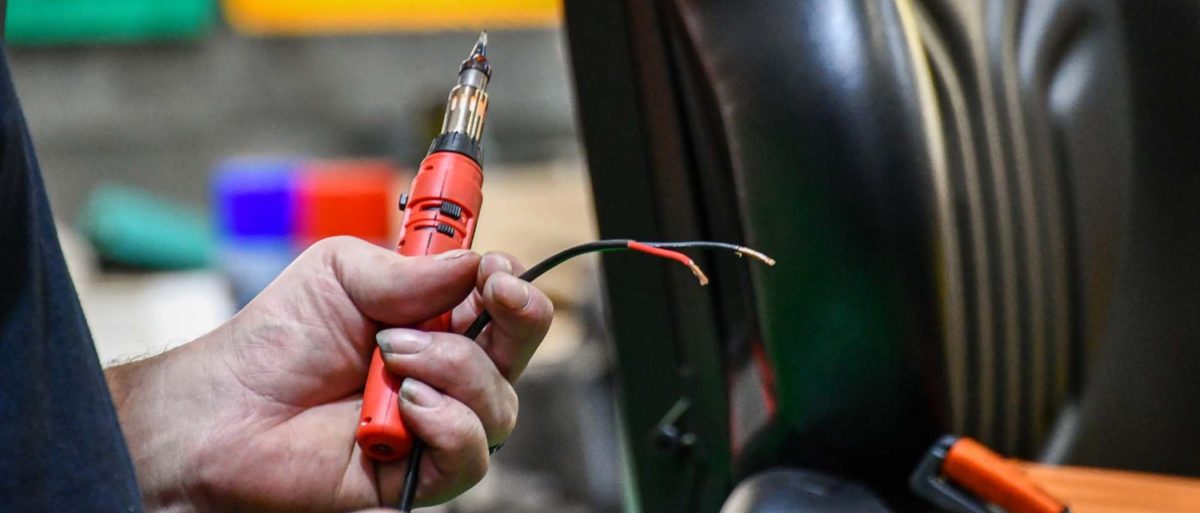
- Flameproof enclosures (Ex d) around contactors, switchgear and anything else that can arc or spark, built so an ignition inside cannot reach the atmosphere outside.
- Motors of flameproof or increased safety (Ex e) construction.
- Intrinsically safe circuits (Ex i) for low-power sensors and controls, and encapsulation (Ex m) for components that can be sealed.
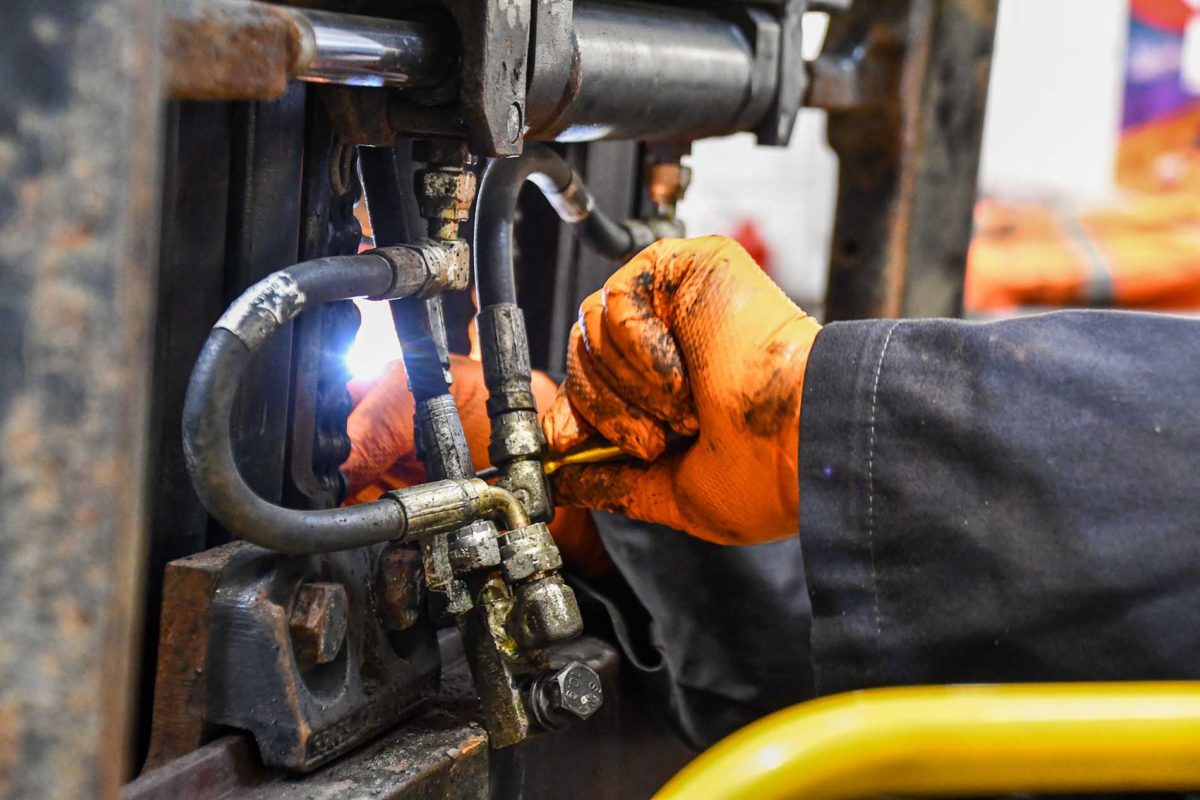
- Surface temperature limits on motors, brakes, hydraulics and electrics, so nothing reaches the ignition temperature of the substance present. The temperature class on the certificate, such as T3 (200 °C) or T4 (135 °C), states the limit.
- Non-sparking forks, clad in stainless steel so a strike on steel racking or a dropped load cannot make an incendive spark.
- Static control: conductive tyres and bonding so charge cannot build up.
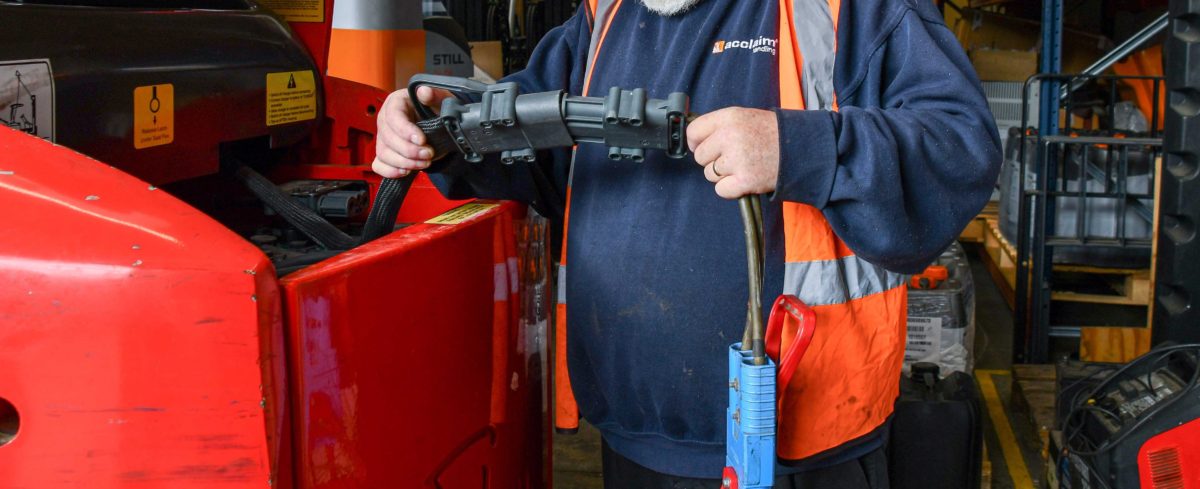
- Protected battery connections on electric trucks, with Ex-rated plugs and sockets.
- On diesel trucks: an air inlet shut-off valve for automatic and manual shutdown, a water-cooled exhaust gas cooler, spark arrest, and surface temperature control on the engine.
Zone 1, Zone 2 and dust zones
| Zone | Protection | How it works |
|---|---|---|
| Zone 2 with gas detection | Category 3G, active | The most common choice. A gas test runs at every start-up; if gas is detected the operator is warned at 10% of the lower explosive limit, and the truck is brought to a controlled stop at 25%. |
| Zone 2 without gas detection | Category 3G, passive | Enclosures, temperature limits and fork cladding without detection, where detection is not required or not suitable. |
| Zone 1 | Category 2G | Full passive protection of every ignition source, with additional measures such as frame leakage monitoring. Also suitable for Zone 2. |
| Zones 21 and 22 | Category 2D or 3D | Protection against combustible dust. Hybrid gas and dust versions are available where a truck works in both. |
Tell us the zone, the substance and the duty, and we will come back with a specification and a price.
Every machine we supply, flameproofed
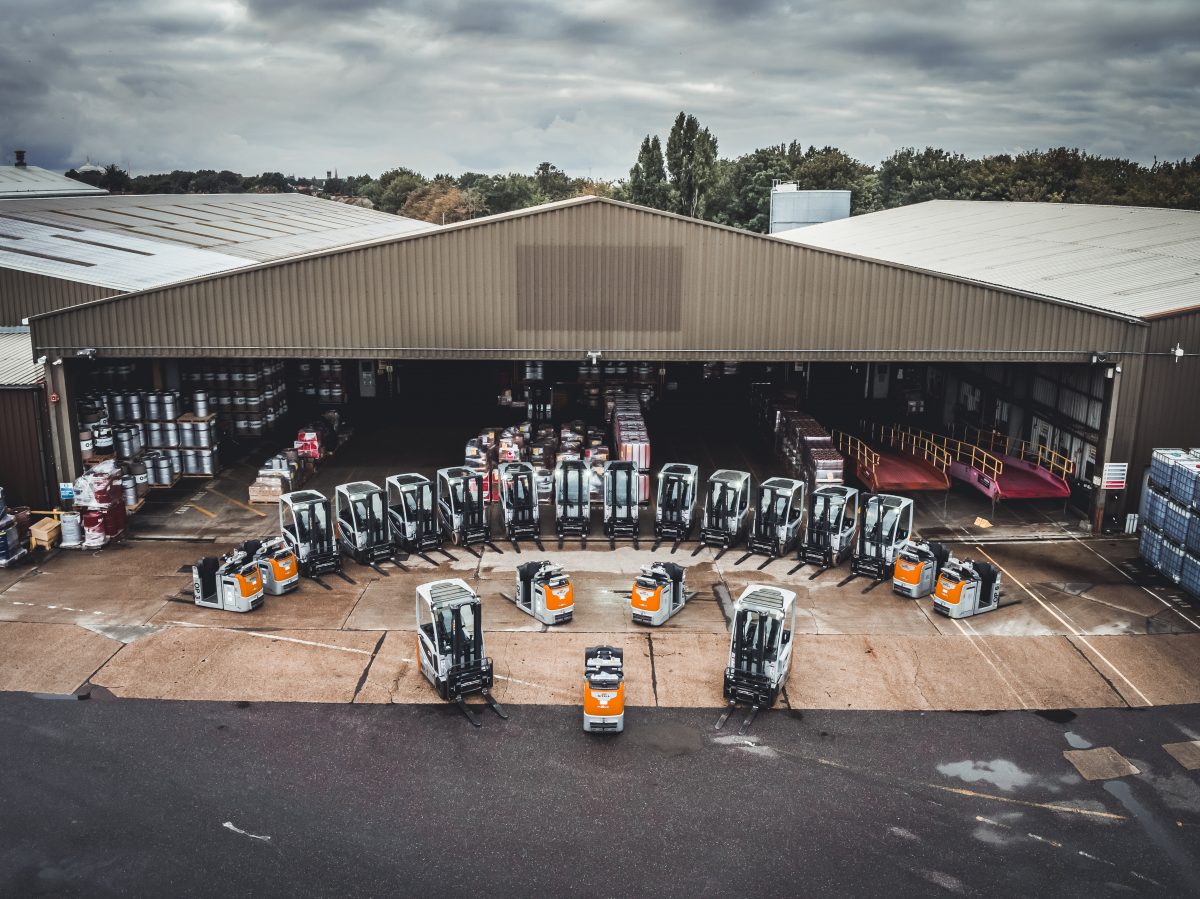
Flameproofing is not limited to counterbalance forklifts. We supply flameproofed versions of every type of machine in our range, so a zoned area can be worked with the right machine rather than whichever one happened to be available protected:
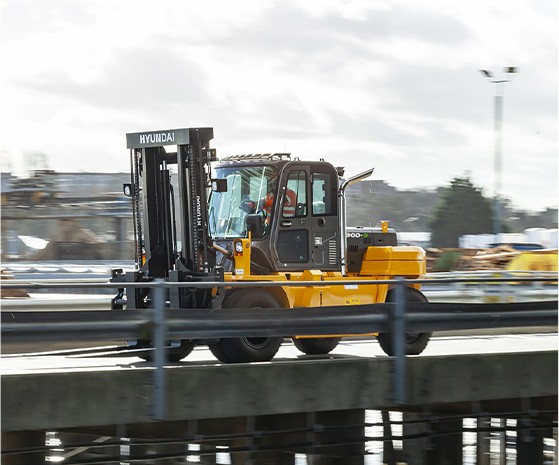
- Diesel and LPG counterbalance forklifts: engine protection on top of the electrical work, with inlet shut off, exhaust cooling and spark arrest, and surface temperature control on the engine and exhaust.
- Electric counterbalance forklifts and reach trucks: traction and pump motors, controller and contactors enclosed, and the battery in a protected container. The charging area needs its own assessment because of hydrogen.
- Powered pallet trucks and pallet stackers: the same electrical protection in a smaller machine, and often the truck that does most of the work in a drum or solvent store.
- Order pickers and VNA trucks: protection extends to the electrics on the elevating cab as well as the chassis.
- Side loaders and multi-directional trucks and articulated forklifts: long loads and narrow aisles inside zoned buildings.
- Tow tractors, tugger trains and platform trucks: moving materials through a zoned area without a lifting truck.
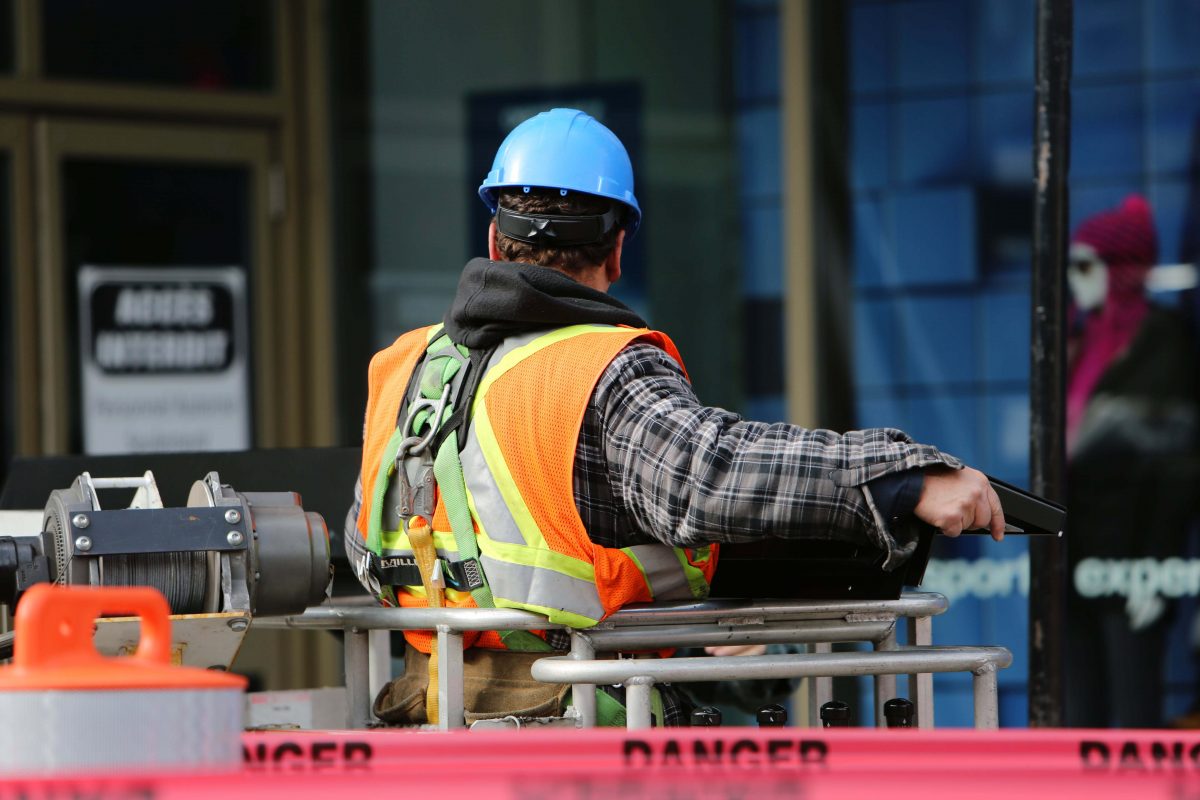
- Scissor lifts, boom lifts and mast lifts: access for maintenance on zoned plant, where the platform and its controls are in the atmosphere too.
- Sweepers and scrubber driers: cleaning in dust zones, where the settled dust being cleaned up is itself the hazard.
Automated trucks and mobile robots can be protected too: see automated forklifts and AGVs.
Anything added to a protected machine has to be suitable for the zone as well. Telematics and pedestrian detection can be specified on a flameproofed truck, but as part of the protection, not fitted afterwards.
Gas detection outside the zoned area
Gas does not stop at the line on a hazardous area drawing. A release in a loading bay or a store next to a zoned area can reach trucks that are not protected at all, and trucks cross from unclassified areas into zoned ones without anyone noticing.
A gas detection system can be fitted to any truck, diesel, LPG or electric, to warn the operator and shut the truck down safely if gas reaches a set level, usually in under a day and at a fraction of the cost of full protection. It does not make a truck suitable for a zoned area, but it closes the gap around one.
New, or flameproofing a truck you already have
- New trucks are specified for the zone and flameproofed before delivery, so they arrive certified and ready to work.
- Existing trucks can often be converted. Whether it is worth it depends on the model, its age and its condition, and we will tell you honestly if a new or used protected truck is better value.
- Used flameproof trucks are audited before sale, so you know the protection is intact and the certification still matches its zone.
Keeping a flameproof truck safe
A flameproof truck needs two kinds of inspection, and neither replaces the other.
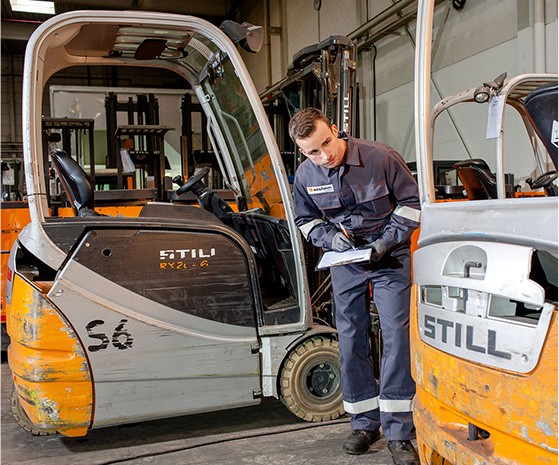
- An annual audit of the explosion protection, following the inspection routine of EN 60079-17: enclosures, cables and glands, shutdown devices, gas detection, conductivity and fork cladding. A pass is recorded with a certificate that supports your explosion protection document under DSEAR. An audit is also worth doing when buying a used protected truck or after any modification.
- A LOLER thorough examination of the lifting equipment, at least every 12 months, as for any forklift: see thorough examinations.
Day to day, every service has to keep the protection intact, because a missing bolt on an enclosure or a replaced part without the right rating can undo it. Never modify a protected truck without checking. ATEX certified blue or red pedestrian warning lights can be added where people and trucks share the zone.
What affects the price
- The base truck: type, capacity, mast and power source.
- The zone and category: Zone 1 protection is more extensive than Zone 2.
- The substance, which sets the gas group and temperature class.
- Gas detection, or passive protection only.
- Diesel or electric: diesel protection adds engine, inlet and exhaust work.
- New build, or converting a truck you already have.
Tell us the zone, the substance and the duty, and we will come back with a specification and a price rather than a guess.
Talk to us
Call 01708 861 414 or contact the team. If you do not yet have a hazardous area classification, say so: it is a normal place to start. See also explosion proof forklifts and ATEX zones.
Tell us the zone, the substance and the duty, and we will come back with a specification and a price.
Flameproof forklifts: common questions
Eight depots across the UK
Our own engineers, out of our own depots - wherever you are, service comes from us.
Talk to us about Flameproof Forklifts
Monday to Friday, 8:00am to 5:00pm.
Additional Services
Checkout our range of other machine services below