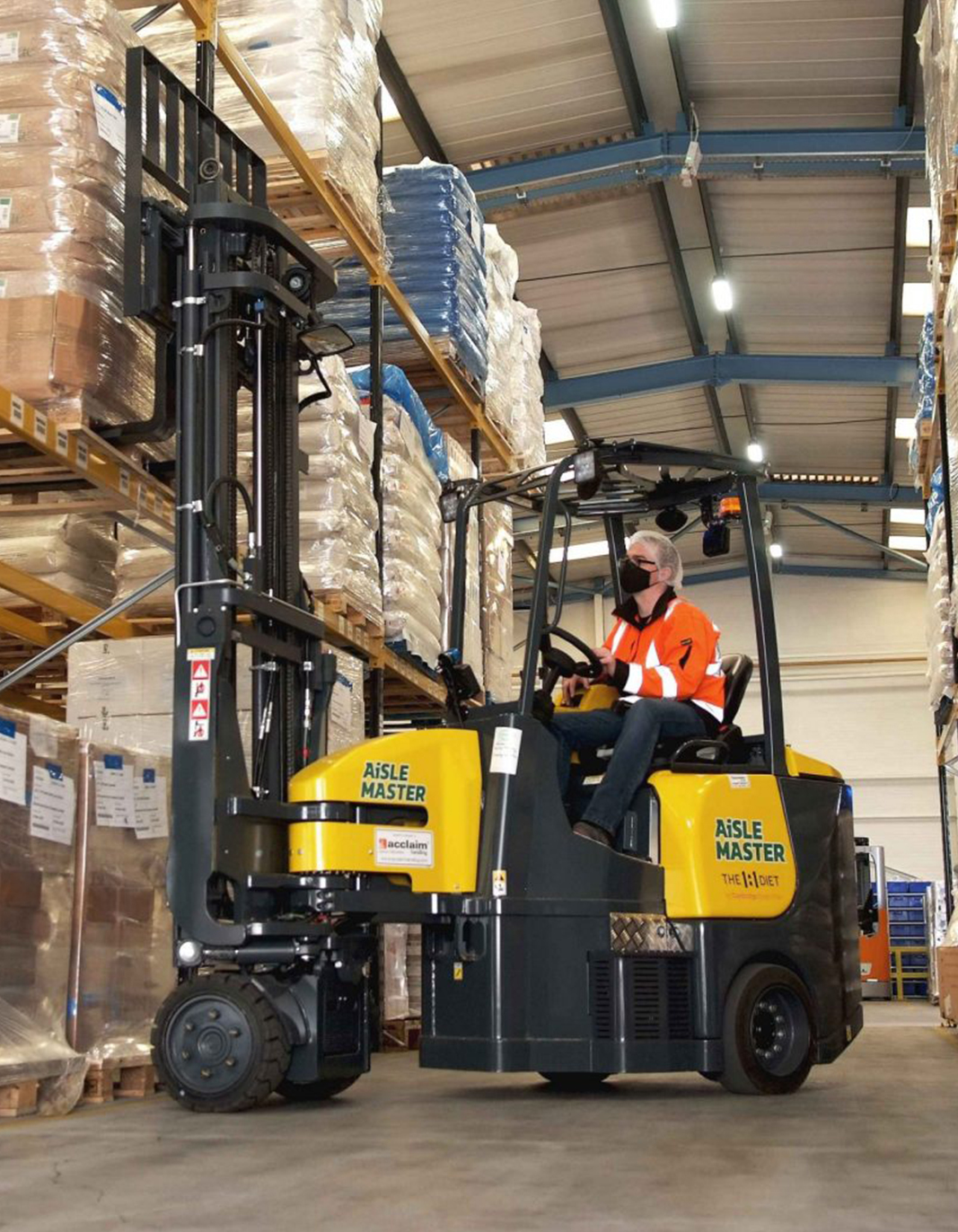
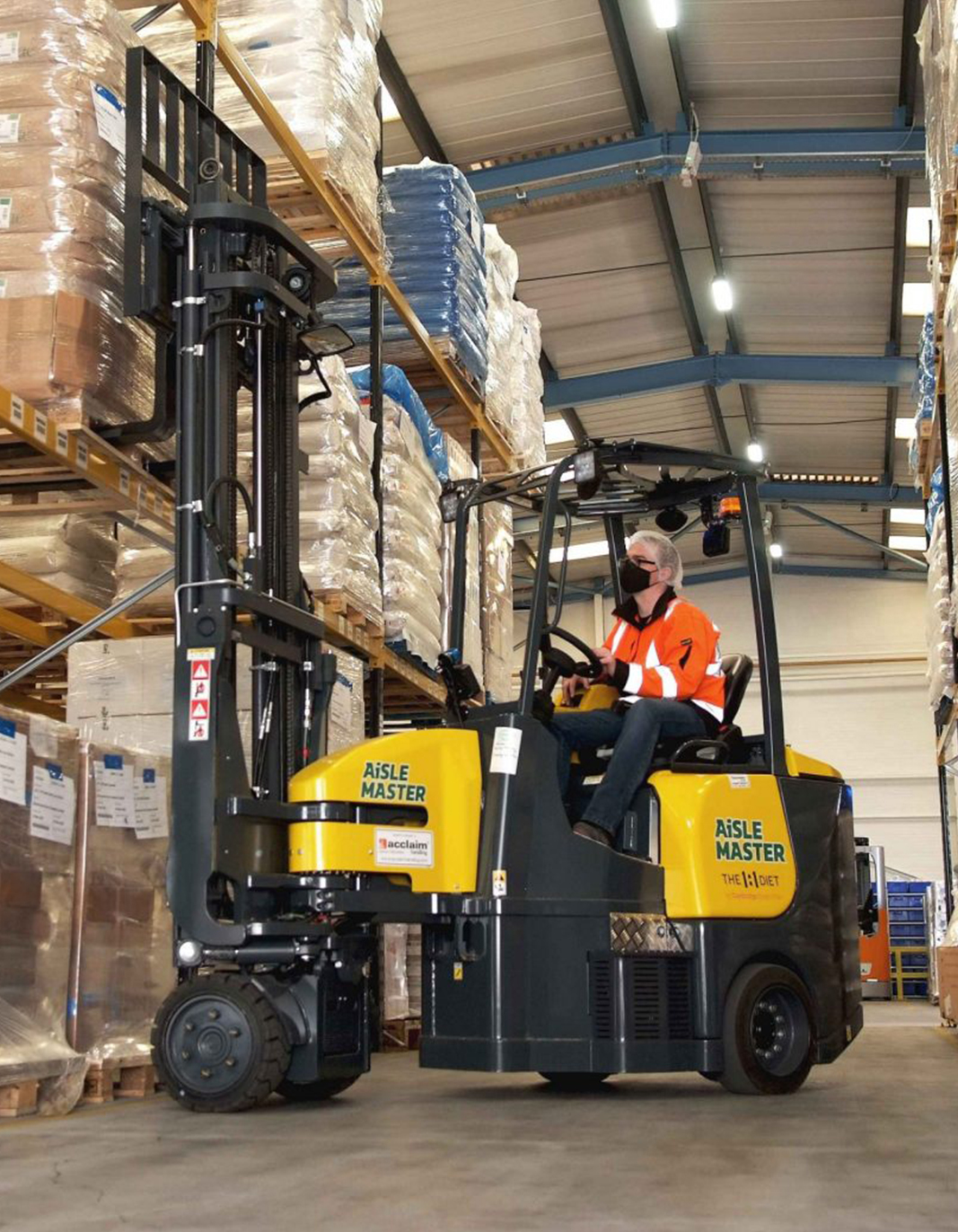
The right forklift for your operation depends on where it will work and what it will be handling. Birmingham businesses run everything from tightly packed inner-city warehouses to open industrial yards, and each setting calls for a different type of machine.
Electric forklifts are the natural choice for indoor work. They run cleanly with no direct emissions and operate quietly, which makes them well suited to the storage and distribution units found across sites like Tyseley and Aston, where enclosed space and air quality matter.
Diesel forklifts offer more power and cope better with uneven ground, so they tend to be the preferred option for outdoor yards, builders’ merchants and the heavier engineering sites around the city and the wider West Midlands.
LPG forklifts sit between the two. They give off fewer emissions than diesel while retaining enough performance to move between indoor and outdoor tasks, which suits businesses that need one machine to cover both.
If you are not certain which configuration or lifting capacity fits your site, call our team and we will talk you through the options.
Buying a forklift outright ties up capital and leaves you responsible for its upkeep for years. For a lot of Birmingham businesses, hiring makes more sense, giving you the machine you need for as long as you need it and nothing more.
The main reasons firms across the city hire from Acclaim Handling include:
- No purchase price to fund and no depreciation to absorb, keeping your capital available for the rest of the business
- Servicing, maintenance and repairs covered throughout the hire, so a breakdown stays our responsibility rather than yours
- Hire terms that flex from a single day to a long-term contract, matching whatever your workload demands
- A single point of contact for a full range of forklift types and lifting capacities
- Experienced engineers across our depot network, each with an average of ten years’ service behind them
Short-term hire works particularly well for seasonal spikes in demand, one-off contracts, and covering the gap when an owned machine is off the road for repair.